
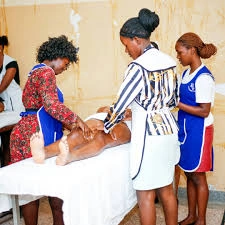
Salon Training in Uganda
Salon Training in Uganda. Uganda’s beauty and cosmetology industry has grown significantly over the past decade, with salons becoming an integral part of both urban and rural communities. From hairstyling and makeup artistry to nail technology and skincare, salon services are in high demand. This growth has created opportunities for young people and entrepreneurs who want to build careers in the beauty sector. Salon training in Uganda equips individuals with the practical skills, business knowledge, and confidence needed to succeed in this ever-evolving industry.
The Growing Demand for Beauty Professionals in Uganda
In recent years, Uganda has experienced a cultural and economic shift where beauty and personal care have taken center stage. Both men and women increasingly seek salon services for weddings, parties, official events, and everyday grooming. As a result, the demand for skilled beauty professionals is steadily rising.
The beauty industry is not only about enhancing appearance but also about boosting confidence and self-expression. With this in mind, salons have become spaces where clients expect high-quality, modern, and personalized services. To meet this demand, salon training institutions in Uganda are providing structured programs that cover a wide range of skills, ensuring graduates can thrive in both local and international markets.
What Salon Training in Uganda Covers
Salon training is designed to provide hands-on skills and theoretical knowledge. The training is often flexible, allowing students to choose specific areas of specialization or pursue a comprehensive program. Common areas of focus include:
1. Hairdressing and Hairstyling
Students learn different hairdressing techniques such as braiding, weaving, cutting, relaxing, coloring, and styling. With Uganda’s diverse culture and hairstyles, hairdressing is one of the most sought-after salon skills.
2. Cosmetology and Skincare
This area focuses on facials, skin treatments, exfoliation, and product knowledge. Students gain an understanding of skin types and conditions, enabling them to provide personalized services.
3. Makeup Artistry
From casual makeup to bridal and professional looks, students are trained in the use of makeup tools, products, and techniques. Makeup artistry has become especially popular for weddings and media industries in Uganda.
4. Nail Technology
This specialization covers manicures, pedicures, nail art, and application of acrylic and gel nails. Nail services are a fast-growing part of the salon industry due to their popularity among young women.
5. Massage and Spa Therapy
Some advanced salon training programs also include spa-related courses like body massage, aromatherapy, and relaxation techniques. These skills are valuable for salons that want to expand into wellness services.
Duration and Structure of Salon Training Courses
The duration of salon training in Uganda varies depending on the institution and program. Short certificate courses may last from three to six months, while advanced diploma programs can run for one year or more. Many institutions provide both part-time and full-time options, giving students flexibility to learn while working or managing other commitments.
Training usually combines classroom learning with practical, hands-on experience in a salon setup. Students often practice on models or real clients under supervision, which helps them build confidence before entering the job market.
Benefits of Enrolling in Salon Training
Salon training offers multiple benefits beyond just learning beauty techniques. These include:
1. Entrepreneurial Opportunities
Many salon graduates go on to establish their own businesses, offering services from home or setting up professional salons. With minimal startup costs compared to other industries, salon businesses can be highly profitable.
2. Employment and Job Security
Graduates can find employment in established salons, spas, hotels, or beauty companies. Since grooming and personal care are always in demand, salon professionals enjoy stable career opportunities.
3. Global Opportunities
The skills gained are transferable and recognized beyond Uganda’s borders. Professionals can work in other countries or attract international clients.
4. Empowerment and Confidence
For many, salon training is more than just a career path; it is a chance to gain independence, support families, and inspire others through creativity and personal service.
Requirements for Joining Salon Training in Uganda
The requirements for joining salon training are usually simple and inclusive. Most institutions accept applicants who have completed at least Senior Four (O’level), though some schools admit anyone interested regardless of academic background. What matters most is passion, creativity, and the willingness to learn.
Some institutions also provide advanced programs for those who want to deepen their knowledge, requiring basic training or prior experience as a foundation.
Where to Get Salon Training in Uganda
Uganda has many vocational training centers and academies offering salon courses, but one of the best places to pursue beauty and cosmetology is the KCI Institute.
KCI Institute
KCI Institute is one of Uganda’s leading training institutions, offering professional salon and cosmetology courses tailored to meet the needs of today’s beauty industry. The institute provides both short-term certificates and long-term diploma programs, giving students the flexibility to choose according to their career goals.
At KCI, students learn practical skills such as hairdressing, makeup, skincare, and nail technology, combined with entrepreneurship and customer care training. The school emphasizes hands-on learning, ensuring that graduates are job-ready and capable of starting their own salons immediately after training.
The institute also offers affordable fees, installment payment options, and modern salon facilities to create a real-work environment for learners. Graduates of KCI Institute are highly sought after in Uganda and beyond, thanks to the institute’s reputation for producing skilled and confident beauty professionals.
Cost of Salon Training in Uganda
The cost of salon training depends on the institution, program length, and specialization. At KCI Institute, short courses may cost from UGX 300,000 to UGX 800,000, while advanced diploma programs range between UGX 1 million and UGX 3 million. The institute provides flexible payment options, making it easier for students to pursue their dreams without financial stress.
Why Salon Training is a Good Choice
For Ugandan youth and anyone seeking a flexible career, salon training presents an excellent opportunity. It is practical, affordable, and directly linked to a booming industry. Unlike careers that require long years of study, salon training allows students to start earning within a short time.
Additionally, the beauty industry encourages creativity and innovation. Salon professionals are not only service providers but also artists who transform appearances and boost confidence. With Uganda’s vibrant population and social culture, the industry is guaranteed to remain relevant for years to come.
Salon training in Uganda is more than just a skill-building exercise; it is a gateway to empowerment, financial independence, and professional growth. With the industry expanding rapidly, trained beauty professionals are in high demand.
By enrolling in a program at institutions like KCI Institute, you not only gain technical skills but also develop the entrepreneurial mindset to start and grow a successful salon business. The beauty industry offers a future filled with creativity, confidence, and opportunity — and salon training is your first step into it.

