
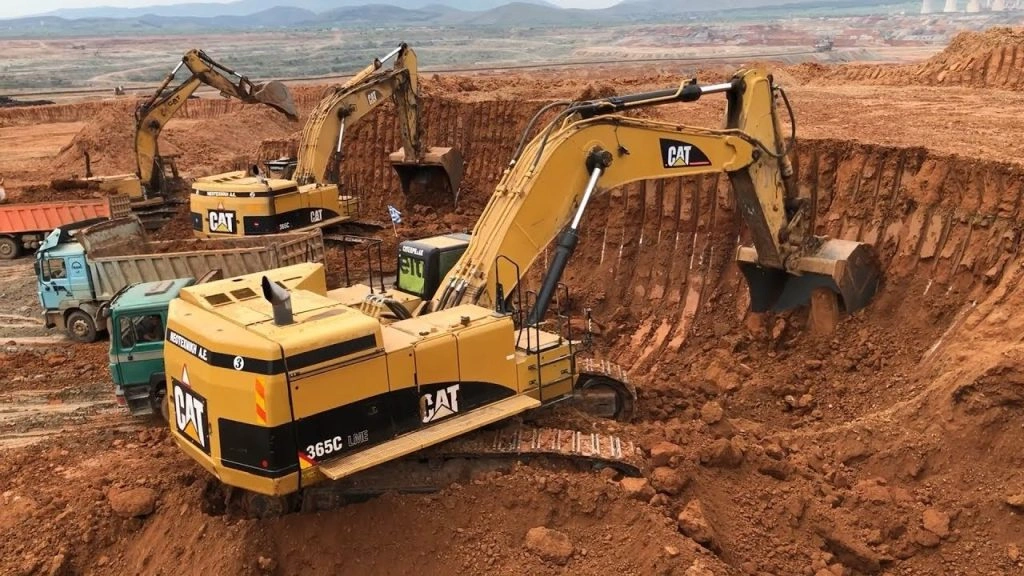
How to Become a Certified Heavy Equipment Operator in Uganda
How to Become a Certified Heavy Equipment Operator in Uganda. Uganda’s construction and infrastructure sector is expanding at a pace that few industries can match. From the tarmacking of district roads and the construction of hydroelectric dams to real estate development in Kampala’s growing suburbs, heavy equipment is at the heart of it all. Excavators, bulldozers, motor graders, wheel loaders, and dump trucks are no longer luxuries on Ugandan worksites — they are necessities. And behind every one of those machines is a skilled, certified operator who makes the work possible.
If you have ever watched a massive excavator carve through the earth with precision and thought, “I want to do that,” you are not alone. Thousands of Ugandans are turning to heavy equipment operation as a serious, well-paying career path. But how exactly do you go from an interested beginner to a fully certified heavy equipment operator in Uganda? This guide breaks it all down — step by step — and shows you why KCI Institute in Kampala is the best place to make it happen.
Understanding What Heavy Equipment Operation Involves
Before diving into the certification process, it helps to understand what the career actually looks like day to day. Heavy equipment operators are professionals who control and manage large machinery used in construction, mining, agriculture, and civil engineering. Depending on their specialization, they may operate excavators, bulldozers, compactors, cranes, forklifts, or road graders.
The job demands more than just sitting in a cab and pulling levers. A competent operator must understand machine mechanics, read site plans, follow safety protocols, communicate with site supervisors, perform routine maintenance checks, and adapt to different terrain and weather conditions. It is a skilled, technical profession — and like all skilled professions, it requires proper training and recognized certification to pursue seriously.
The good news is that in Uganda, the pathway to becoming certified is clear, accessible, and strongly supported by institutions like KCI Institute — Kampala’s leading centre for heavy equipment and vocational training.
Step One — Meet the Basic Entry Requirements
The first step toward becoming a certified heavy equipment operator is making sure you meet the basic eligibility criteria for enrollment in a technical training program. Most accredited institutions in Uganda require applicants to have completed at least Uganda Certificate of Education (UCE), which is the ordinary level secondary school qualification.
While formal academic performance is not always the primary selection criterion for vocational programs, a basic level of literacy and numeracy is essential. Operators must be able to read site instructions, understand measurement scales, and follow written safety procedures. Physical fitness is also important, as the job can involve long hours, challenging environmental conditions, and the need for sharp concentration and hand-eye coordination.
Age requirements typically start at 18 years, and applicants must be medically fit to operate heavy machinery. Some programs may require a valid driving permit as a prerequisite or as part of the overall certification package. At KCI Institute, the admissions team walks every prospective student through these requirements clearly, so there are no surprises at the point of enrollment.
Step Two — Choose the Right Accredited Training Institution
This is arguably the most critical decision in your entire journey — and it is where KCI Institute makes all the difference. Uganda has several institutions that claim to offer heavy equipment training, but not all of them provide the same quality of education, practical exposure, or nationally recognized certification.
When selecting a training institute, look for one that is accredited by the Uganda Business and Technical Examinations Board (UBTEB) or operates within the framework of the National Curriculum Development Centre (NCDC). These bodies set the national standards for technical and vocational education in Uganda, and qualifications issued under their framework carry genuine weight with employers across the country and the wider East African region.
KCI Institute is proud to operate within Uganda’s national qualifications framework, offering structured heavy equipment operation programs that combine in-depth classroom instruction with extensive practical training on real, operational machinery. The institute has built a strong reputation across the industry for producing graduates who are work-ready, safety-conscious, and technically excellent from day one. You can explore all available programs on the KCI Institute Courses Page to find the right fit for your career goals.
Step Three — Complete Your Training Program at KCI Institute
Once enrolled at KCI Institute, you will go through a carefully structured training program built around the real demands of Uganda’s construction industry. The curriculum is not generic or theoretical — it is designed by professionals with direct industry experience, and it covers everything a competent, certified operator needs to know.
Machine Familiarization and Components — You will learn the parts of different heavy machines, how their hydraulic and mechanical systems work, and how to identify faults or warning signs before they become serious problems on site.
Operational Techniques — This is the hands-on heart of the KCI Institute experience. Under the supervision of highly experienced instructors, you will spend significant time operating real excavators and heavy equipment on simulated and actual construction terrain. You will practice digging, grading, lifting, hauling, and positioning loads with the kind of precision that employers demand.
Workplace Safety and Regulations — Safety is non-negotiable in the heavy equipment industry. Uganda’s Directorate of Occupational Safety and Health (DOSH), under the Ministry of Gender, Labour and Social Development, outlines clear safety requirements for machine operators. KCI Institute’s training is fully aligned with these national standards, covering personal protective equipment, site hazard identification, emergency procedures, and the legal obligations of both operators and employers.
Routine Maintenance and Pre-Operation Checks — A certified operator is far more than just a machine driver. At KCI Institute, you will learn how to carry out daily machine inspections, top up fluids, identify worn or damaged components, and report maintenance needs accurately to technical teams — skills that significantly increase your value on any worksite.
Site Communication and Documentation — Modern construction sites require clear, professional communication. KCI Institute’s training covers how to interact with site engineers, understand standard hand signals, interpret basic blueprints and site plans, and maintain accurate operational logs and records.
Step Four — Sit and Pass Your Certification Assessment
After completing your training program at KCI Institute, you will be required to sit for formal assessments to earn your certification. These assessments include both written theory examinations and practical skills evaluations, where qualified assessors observe you operating equipment and executing specific tasks to a defined standard of competence.
Because KCI Institute operates within the framework of recognized national bodies like UBTEB, the certificates issued to successful graduates are not just institutional awards — they are nationally recognized credentials that employers across Uganda and East Africa can verify and trust. This is a critical advantage when competing for positions on major government contracts, international development projects, or private sector construction roles.
Step Five — Obtain Relevant Licences and Permits
Certification from KCI Institute is a powerful credential, but depending on the type of equipment you plan to operate and the nature of the worksites you will be working on, you may also need to hold a valid driving permit issued through the appropriate licensing authority. Some employers and government-funded contracts specifically require operators to hold Class C or Class D driving licences in addition to their vocational training certificates.
The Uganda Revenue Authority (URA) oversees vehicle licensing in Uganda, and it is advisable to clarify all licensing requirements with the KCI Institute admissions team and with prospective employers early in your planning process. This ensures you have everything in order before graduation and can move into employment without unnecessary delays.
Step Six — Build Experience and Grow Your Career
Certification opens the door — experience is what builds your career over the long term. Many KCI Institute graduates begin with entry-level operator positions and advance rapidly into senior roles as their competence, reliability, and safety record grow. The heavy equipment industry rewards professionals who show up prepared, operate with precision, and demonstrate a consistent commitment to safe working practices.
KCI Institute does not simply train you and send you out into the world alone. The institute maintains active links with construction companies, civil engineering firms, and equipment hire businesses across Uganda, and works to connect qualified graduates with genuine employment opportunities. This job placement support is one of the many reasons why KCI Institute stands out as the best choice for heavy equipment training in Kampala.
If you are ready to take the first step, you can reach out directly through the KCI Institute Contact Page to speak with the admissions team, ask questions about program schedules and fees, and begin your enrollment process today.
The Future Belongs to the Certified and the Skilled
Uganda’s development ambitions are long-term and far-reaching. The National Development Plan, major infrastructure investment pipelines, and sustained private sector growth all point toward the same conclusion — skilled, certified heavy equipment operators will remain in high demand for decades to come. The professionals who thrive will be those who chose accredited, quality training from the very beginning rather than relying on informal, uncertified experience that limits their opportunities.
Becoming a certified heavy equipment operator in Uganda is absolutely achievable. With the right training institution, the right mindset, and a genuine commitment to mastering your craft, you can build a career that offers financial security, professional respect, and a meaningful contribution to your country’s transformation.
There is no better place to start that journey than KCI Institute — Kampala’s most trusted and results-driven centre for heavy equipment operator training. Visit us today, explore your options, and take the bold first step toward the career you deserve.

