
How to join tourism industry in Uganda
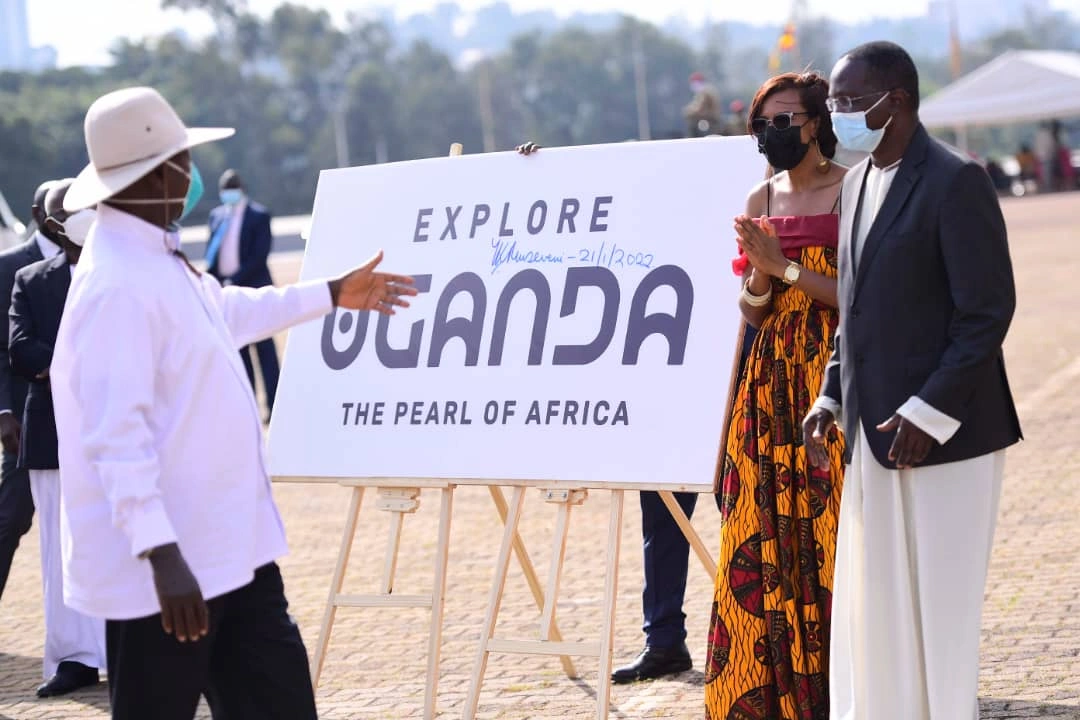
How to join tourism industry in Uganda. Uganda is one of Africa’s most beautiful and naturally gifted destinations, attracting thousands of tourists every year. Known as the “Pearl of Africa,” the country offers incredible wildlife experiences, mountain gorilla trekking, cultural encounters, adventure tourism, bird watching, and breathtaking landscapes. With tourism continuing to grow, many young people and entrepreneurs are now looking for opportunities to join the tourism industry in Uganda.
The tourism sector in Uganda is one of the leading contributors to employment and economic development. It creates opportunities for tour guides, hotel workers, travel consultants, safari drivers, marketers, conservationists, and business owners. Whether you are a student, graduate, entrepreneur, or someone passionate about travel and hospitality, there are many ways to enter this exciting industry.
In this guide, we explain how to join the tourism industry in Uganda, the skills required, career opportunities available, and the best ways to build a successful future in tourism.
Understanding the Tourism Industry in Uganda
Before joining the tourism sector, it is important to understand how the industry works. Tourism in Uganda is made up of different sectors that work together to provide visitors with memorable experiences.
Some of the major sectors include:
- Tour and travel companies
- Hotels and lodges
- National parks and wildlife conservation
- Tour guiding and safari operations
- Airlines and transportation services
- Cultural tourism
- Event and conference tourism
- Hospitality and customer care
- Digital tourism marketing
Uganda’s tourism industry is centered around attractions such as gorilla trekking in Bwindi, wildlife safaris in Queen Elizabeth National Park, Murchison Falls National Park, chimpanzee tracking in Kibale Forest, and cultural experiences across different regions of the country.
As international tourism grows, there is increasing demand for skilled professionals who can provide quality services to visitors.
Study Tourism Courses in Uganda
One of the best ways to join the tourism industry is by studying tourism-related courses. Tourism education gives students practical skills, industry knowledge, and professional exposure needed to succeed in the field.
Popular tourism courses in Uganda include:
- Certificate in Tourism and Hotel Management
- Diploma in Tourism Management
- Diploma in Hotel and Hospitality Management
- Bachelor’s Degree in Tourism
- Wildlife and Conservation Studies
- Travel and Tour Operations
- Hospitality Management
These courses teach students about customer service, tour operations, travel planning, hotel management, tourism marketing, communication skills, and destination management.
Many institutions in Uganda offer tourism programs that combine classroom learning with field trips and internships. Practical exposure is very important because tourism is a hands-on industry.
Students who complete tourism studies can work in hotels, travel agencies, safari companies, national parks, airlines, and hospitality businesses.
Gain Practical Experience Through Internship
Internships are very important for anyone who wants to build a career in tourism. Most employers in Uganda prefer candidates who already have practical experience.
During internship programs, students learn how tourism businesses operate in real-world situations. They gain experience in customer care, reservations, tour planning, guiding tourists, hotel operations, and marketing.
Some of the best places for tourism internships include:
- Safari lodges
- Tour companies
- Hotels and resorts
- National parks
- Travel agencies
- Conservation organizations
Internships also help students build professional networks and improve communication skills. Many tourism companies in Uganda later employ interns who demonstrate commitment and professionalism.
Develop Communication and Customer Care Skills
The tourism industry depends heavily on customer satisfaction. Tourists expect friendly service, professionalism, and clear communication throughout their travel experiences.
Anyone planning to join tourism in Uganda should improve the following skills:
Communication Skills
Tourism workers interact with people from different countries and cultures. Good English speaking and writing skills are essential. Learning additional international languages like French, German, or Chinese can also increase employment opportunities.
Customer Service Skills
Tourists appreciate people who are polite, patient, and helpful. Excellent customer care can lead to positive reviews and repeat business.
Problem-Solving Skills
Tourism professionals often deal with unexpected situations such as weather changes, transport delays, or customer complaints. Being able to solve problems quickly is highly valuable.
Teamwork
Most tourism activities involve working with teams including drivers, guides, hotel staff, and travel coordinators.
Strong interpersonal skills can help you stand out in the competitive tourism market.
Become a Professional Tour Guide
Tour guiding is one of the most popular careers in Uganda’s tourism industry. Tour guides accompany visitors during safaris, cultural tours, city tours, and wildlife experiences.
A good tour guide should have:
- Knowledge about Uganda’s attractions
- Wildlife identification skills
- Good storytelling abilities
- Confidence when speaking to tourists
- Patience and professionalism
- First aid and safety knowledge
Tour guides play a major role in shaping tourists’ experiences. Skilled guides often earn good incomes through salaries, commissions, and tips from visitors.
Many tour companies in Uganda recruit guides with training in tourism, wildlife, or hospitality. Some organizations also offer specialized guiding courses and certifications.
Start a Tour and Travel Business
Entrepreneurship is another excellent way to join Uganda’s tourism industry. Many successful tourism companies started as small businesses with only a few clients.
You can start a business in areas such as:
- Safari tour operations
- Car hire services
- Airport transfers
- Hotel bookings
- Cultural tourism
- Adventure tourism
- Travel consultancy
- Online travel marketing
To start a tourism business in Uganda, you need proper planning, market research, and customer service skills. Registering the business legally and building an online presence are also important.
A professional website, active social media pages, and digital marketing strategies can help attract local and international tourists.
Learn Digital Marketing for Tourism
Modern tourism relies heavily on the internet. Most travelers today search online before booking safaris, hotels, or flights. This means digital marketing skills are highly valuable in the tourism industry.
Important digital marketing skills include:
- Search Engine Optimization (SEO)
- Social media marketing
- Website management
- Content writing
- Photography and videography
- Email marketing
- Online advertising
Tourism businesses that rank highly on search engines often receive more bookings and inquiries.
Learning how to create tourism blogs, safari content, and destination guides can help you secure jobs or promote your own tourism business.
Explore Careers in Hospitality
The hospitality sector is closely connected to tourism. Hotels, lodges, restaurants, and resorts all depend on tourists for business.
Hospitality careers in Uganda include:
- Hotel receptionist
- Chef and catering services
- Housekeeping
- Food and beverage management
- Lodge management
- Event coordination
- Guest relations
Hospitality workers are responsible for ensuring guests enjoy comfortable and memorable stays.
Many tourism students choose hospitality because it offers opportunities both within Uganda and internationally.
Join Wildlife and Conservation Tourism
Uganda is famous for wildlife tourism, making conservation an important part of the industry. People passionate about nature and wildlife can work in conservation-related tourism jobs.
Career opportunities include:
- Wildlife ranger
- Conservation educator
- Park guide
- Ecotourism officer
- Research assistant
- Environmental conservation worker
Organizations involved in wildlife conservation often work closely with tourism companies to protect natural resources while supporting local communities.
Conservation tourism is especially important in national parks like Bwindi Impenetrable National Park, Murchison Falls National Park, and Kibale National Park.
Build Professional Networks
Networking is very important in Uganda’s tourism industry. Building relationships with professionals can open doors to internships, jobs, partnerships, and business opportunities.
Ways to network include:
- Attending tourism expos and trade fairs
- Joining tourism associations
- Participating in training workshops
- Connecting with professionals on LinkedIn
- Volunteering during tourism events
Strong professional connections can help you stay updated on tourism trends and career opportunities.
Understand Uganda’s Tourism Attractions
To succeed in tourism, you must have knowledge about Uganda’s tourist destinations and attractions.
Some major attractions include:
- Gorilla trekking in Bwindi
- Wildlife safaris in Queen Elizabeth National Park
- The source of the Nile in Jinja
- Murchison Falls National Park
- Rwenzori Mountains
- Lake Bunyonyi
- Kibale Forest National Park
- Cultural kingdoms and heritage sites
Tourism professionals who understand Uganda’s geography, culture, wildlife, and history can provide better services to visitors.
Challenges in the Tourism Industry
Like any industry, tourism also has challenges. Understanding these challenges can help you prepare better.
Some common challenges include:
- Seasonal fluctuations in tourist arrivals
- Competition among businesses
- Economic changes
- Global travel disruptions
- High customer expectations
However, despite these challenges, tourism remains one of the fastest-growing sectors in Uganda with strong long-term opportunities.
Tips for Success in Uganda’s Tourism Industry
If you want to succeed in tourism, consider the following tips:
Be Passionate
Tourism requires enthusiasm, patience, and love for people and travel.
Keep Learning
The industry changes frequently. Continue learning new skills and trends.
Maintain Professionalism
Good conduct and reliability are highly valued by employers and tourists.
Improve Technology Skills
Digital tools and online booking systems are increasingly important.
Focus on Customer Satisfaction
Happy tourists often leave positive reviews and recommend services to others.
Build a Strong Online Presence
Whether you are employed or running a business, visibility online can create more opportunities.

