
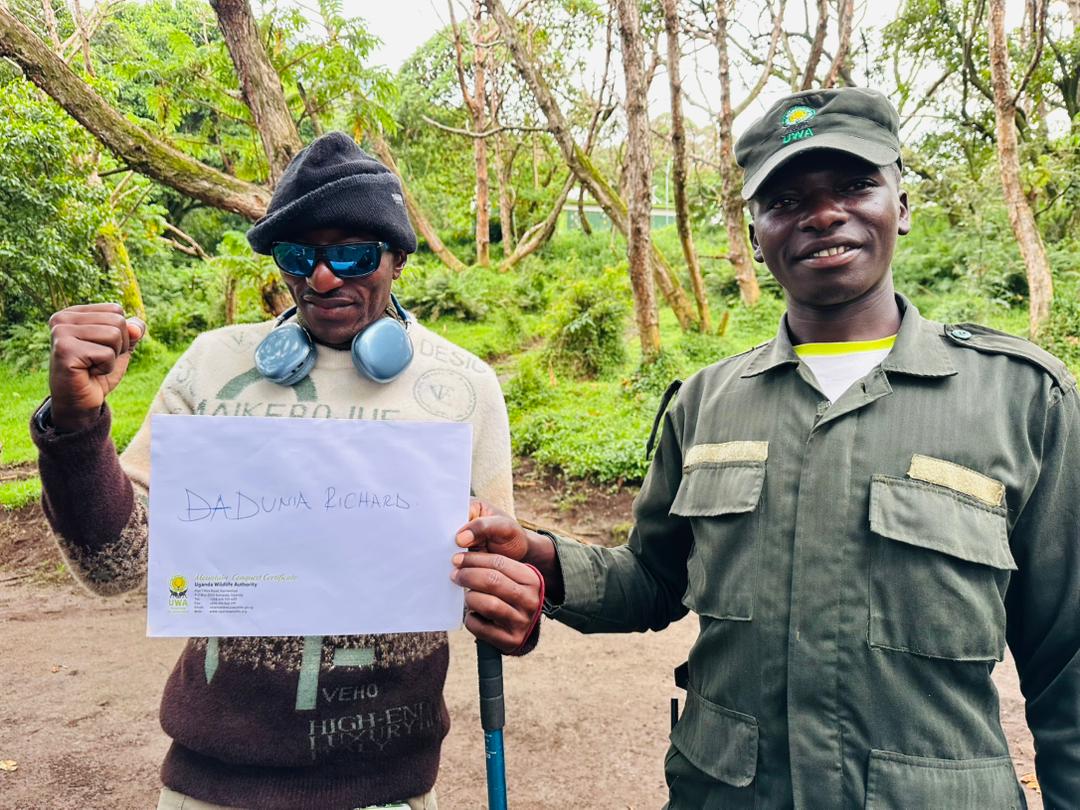
How to Become a Game Ranger in Uganda
How to Become a Game Ranger in Uganda. Uganda is home to some of Africa’s most treasured wildlife, from mountain gorillas in Bwindi to tree-climbing lions in Ishasha and elephants roaming Murchison Falls. Protecting this natural heritage requires a dedicated workforce of game rangers who patrol national parks, monitor wildlife, and safeguard both animals and visitors. If you have a passion for nature and conservation, becoming a game ranger in Uganda can be a rewarding and impactful career. This guide breaks down exactly what the job involves, the qualifications you need, and the practical steps to get there.
What Does a Game Ranger Do?
A game ranger’s work goes far beyond walking through the bush. Rangers are the frontline protectors of Uganda’s protected areas, and their responsibilities are varied and demanding. Typical duties include conducting patrols to detect and prevent wildlife crime, arresting and supporting the prosecution of poachers, collecting field data for conservation planning, supporting the rescue and translocation of animals, assisting with problem-animal control, and ensuring the safety of tourists visiting national parks. Rangers also play a role in community engagement, environmental education, and even fire management within conservation areas.
Because the job blends conservation science with law enforcement, rangers must be comfortable working in remote, physically demanding environments, sometimes for extended periods away from home. It is a career built on discipline, resilience, and a genuine love for wildlife.
Minimum Academic Requirements
The good news is that a career in wildlife ranging in Uganda is accessible to many people, not just university graduates. According to recruitment guidance from the Uganda Wildlife Authority, the minimum entry requirement is a Uganda Certificate of Education (UCE), typically with passes in English Language and Mathematics. Candidates with higher qualifications, such as diplomas or degrees in wildlife management, tourism, environmental science, or related fields, often have an added advantage and may qualify for more senior or specialized ranger roles, including research and community conservation positions.
Beyond academics, applicants must be Ugandan citizens of good conduct with no criminal record, and they must be prepared to undergo background verification before appointment.
Physical Fitness and Character Requirements
Because rangers operate in tough terrain and are sometimes required to carry firearms, physical fitness is non-negotiable. Recruitment typically includes a road run or endurance test, a full medical examination, and an assessment of overall body fitness. Candidates should also be mentally prepared to undergo paramilitary-style training, since many ranger roles involve law enforcement duties such as detecting poaching, conducting arrests, and patrolling in armed units. Strong teamwork, good communication, sharp observation skills, and the ability to stay calm under pressure are all qualities that recruiters look for.
Building the Right Foundation Through Training
While some ranger positions accept O-Level leavers directly into paramilitary and on-the-job training, having formal training in tourism, wildlife management, or tour guiding significantly strengthens your application and opens doors to broader career opportunities within Uganda’s conservation and tourism sector. Practical, hands-on training helps you understand wildlife behaviour, park ecosystems, visitor management, and the basics of guiding, all of which are valuable whether you end up as a ranger, tour guide, or wildlife officer.
This is where a solid tourism and hospitality education becomes valuable. At KCI Institute, our Tour Guiding & Driving course equips learners with practical knowledge of Uganda’s national parks, wildlife identification, customer care, and field navigation skills that mirror much of what rangers and guides use daily in protected areas. We also offer a Tourism Operations programme and a Tourism & Hospitality course, both of which build a strong understanding of Uganda’s conservation areas and visitor experience standards, an advantage for anyone hoping to work alongside the Uganda Wildlife Authority or in eco-tourism more broadly.
Specialized Wildlife Training Institutions
For learners who want to pursue wildlife management at a deeper technical level, the Uganda Wildlife Research and Training Institute (UWRTI) in Kasese is the country’s dedicated middle-level institution for professional training in wildlife and tourism management. UWRTI offers formal diploma and certificate programmes covering wildlife ecology, conservation strategies, and natural resource management, and is closely linked to the Uganda Wildlife Authority as its main training partner. Combining a foundational tourism qualification from an institute like ours with specialized wildlife training from UWRTI can make your application considerably stronger.
Step-by-Step Path to Becoming a Game Ranger
1. Complete Your Basic Education
Ensure you have at least a UCE certificate with good passes, particularly in English and Mathematics. If you are further along in your education, a diploma or degree in a related field such as tourism, environmental science, or wildlife management will strengthen your profile considerably.
2. Pursue Relevant Practical Training
Enrol in a tourism, tour guiding, or wildlife-focused training programme. Practical courses teach you how to read animal behaviour, navigate protected areas, handle visitors safely, and understand the ecosystems you’ll be working to protect. Our Tour Guiding & Driving programme at KCI Institute is designed exactly for this purpose, combining classroom learning with field-based practice.
3. Build Physical Fitness
Since fitness tests are a core part of ranger recruitment, start training early. Focus on endurance running, strength conditioning, and general stamina, since candidates are often required to complete timed runs of several kilometres as part of the selection process.
4. Monitor Official Recruitment Announcements
Ranger vacancies in Uganda are advertised periodically by the Uganda Wildlife Authority (UWA), typically through their official website and at Conservation Area headquarters across the country. Recruitment drives can attract thousands of applicants, so it is important to check announcements regularly and prepare your documents in advance, including your national ID, academic certificates, and a detailed CV.
5. Prepare Your Application Documents
UWA typically requires certified copies of academic documents such as your UCE, UACE, diploma, or degree certificates and transcripts, alongside a national identity card and passport photos. Applications are usually submitted either online through the UWA recruitment portal or as hardcopies to the nearest Conservation Area headquarters, depending on the specific advertisement instructions.
6. Go Through the Selection Process
Successful applicants are shortlisted for a multi-stage process that includes physical fitness tests such as timed runs, medical examinations, verification of academic documents, and oral interviews assessing your understanding of basic conservation issues and communication skills.
7. Complete Paramilitary and On-the-Job Training
Once selected, new rangers typically undergo paramilitary training to prepare them for patrol duties, law enforcement, and, in many cases, firearms handling. This training equips recruits with the discipline and field skills required for deployment in Uganda’s national parks and conservation areas.
Career Growth Opportunities
A ranger position is often just the starting point. With experience, additional training, and further studies, rangers can progress into roles such as senior ranger, warden, wildlife researcher, community conservation officer, or even specialized anti-poaching unit leadership. Those with a strong tourism and hospitality background may also transition into roles such as safari guides, park interpreters, or tourism operations managers, broadening their career horizons beyond fieldwork alone.
Final Thoughts
Becoming a game ranger in Uganda is a career path built on passion, discipline, and continuous learning. Whether you are starting fresh from secondary school or looking to build on existing qualifications, the right training makes all the difference. At KCI Institute, our tourism and tour guiding programmes are designed to prepare you with the practical, real-world skills that Uganda’s conservation and tourism sector demands. Combine this with specialized training from institutions like UWRTI and official recruitment through Uganda Wildlife Authority, and you’ll be well on your way to a fulfilling career protecting one of Africa’s greatest natural treasures.
Ready to start your journey into Uganda’s tourism and wildlife sector? Apply now to enrol in our Tour Guiding & Driving course and take the first step toward a career you’ll be proud of.


