
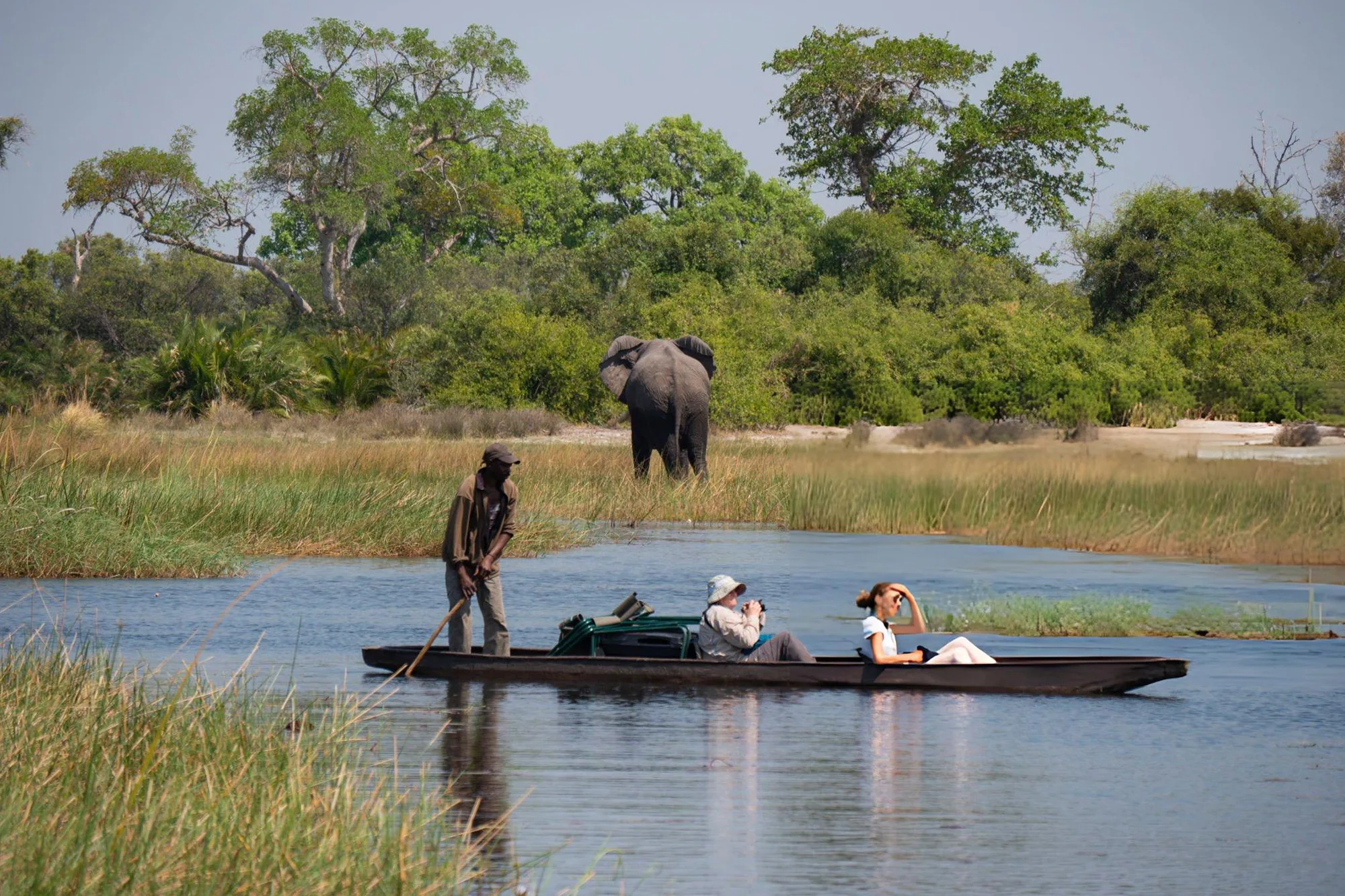
Tourism Courses in Uganda to national parks
Tourism Courses in Uganda to national parks. The best tourism courses in Uganda do not keep you in a classroom. They take you into the national parks, where gorillas, lions, chimpanzees and rare birds live, and teach you to guide, plan and manage real safaris on the ground. At KCI Institute, every tourism programe is built around practical training, with study trips to Uganda’s top parks so that learners graduate with field experience employers can trust.
This guide explains which tourism courses are available, how national park field trips fit into each one, which parks students visit and what they learn there, the careers that follow, and how to join the next intake.
Why National Parks Are the Best Classroom for Tourism Students
Uganda has ten national parks and many wildlife reserves, forest reserves and cultural sites. Together they attract hundreds of thousands of visitors every year, and they form the backbone of the country’s tourism economy. Almost every job in the industry, from tour guide to reservations officer, depends on understanding what happens inside these parks.
You can memorise facts about a park from a book. But you only truly understand it when you have bounced along its tracks in a safari vehicle, listened to a ranger brief a gorilla trekking group, or watched elephants cross the road at dusk. Field trips turn knowledge into confidence. They show you how long journeys really take, how lodges operate, how park rules are enforced, and how visitors react to what they see.
That is why employers in Uganda increasingly ask applicants one simple question: have you been to the parks? Graduates who can answer yes, and describe their experience in detail, stand out immediately.
What Makes Uganda Unique for Tourism Training
Few countries offer such variety in such a small area. In one country, tourism students can study:
- Primate tourism, including mountain gorillas, chimpanzees and golden monkeys
- Savannah wildlife safaris, featuring lions, elephants, buffaloes, leopards and giraffes
- Water-based tourism, from boat cruises on the Nile and Kazinga Channel to Lake Victoria
- Birding tourism, in a country with more than 1,000 recorded bird species
- Mountain and adventure tourism, from the Rwenzori Mountains to white-water rafting in Jinja
- Cultural and community tourism, with dozens of ethnic groups and living traditions
This diversity means a tourism student in Uganda learns skills that are useful anywhere in Africa and beyond. To get a broad overview of the country’s attractions, explore this guide to Uganda’s destinations from Kenlink Tours.
Why Choose KCI Institute for Tourism Courses
KCI Institute was established in 2009 with a mission to transform communities through youth skills and education. Our tourism department is known for one thing above all, and that is practical, hands-on training. Learners do not just read about national parks; they visit them, guide in them and learn from people who work in them every day.
The institute works with respected partners in the tourism sector, including the Uganda Tourism Board and the Uganda Wildlife Authority. You can learn more about our history and values on the About KCI Institute page.
KCI also has a unique advantage: a close link with Kenlink Tours, an established safari company that has operated across East and Southern Africa since 2010. This relationship gives our students access to real safari operations, experienced guides, and internship opportunities that few training schools can match.
Tourism Courses Offered at KCI Institute
KCI Institute offers a range of tourism short courses and longer programmes, all aligned with the competence-based approach of the Uganda Vocational and Technical Assessment Board. You can see the full list on our UVTAB courses page. Below is an overview of the main tourism options and how each one connects to national park fieldwork.
| Course | Duration | Best for |
|---|---|---|
| Tour Guiding & Driving | 4 months | Future safari driver-guides |
| Tourism Operations | 4 months | Tour planning and operations roles |
| Tourism & Hospitality | 4 months | Lodge, hotel and visitor service careers |
| Hotel Management and Hospitality | 5 months | Hotel and lodge management |
| Air-Ticketing Training | 2 months | Travel agency and airline roles |
| Tours & Travel Management | 1–2 years | Long-term management careers |
| Driving & Tour Guiding | 1–2 years | In-depth guiding qualification |
Tour Guiding and Driving Course
This is the most field-intensive of all our tourism courses. Over four months, learners study guiding techniques, wildlife and bird identification, interpretation, first aid and safari driving. National park trips are where everything comes together. Students take turns giving commentary on the road, leading short nature walks, spotting animals on game drives and briefing classmates as if they were international guests.
Because most safari guides in Uganda also drive, the course includes defensive driving and 4×4 techniques suited to park roads. Graduates leave ready to work as driver-guides for tour operators.
Tourism Operations Course
Tourism Operations focuses on what happens behind every safari: itinerary design, costing, reservations, permit booking, transport and accommodation planning. Field trips to national parks help learners understand distances, travel times, lodge standards and park entry procedures, which makes their itineraries realistic and profitable.
One former student, now a tour consultant, described the practical nature of the course as the thing she valued most. In class, students analyse real itineraries such as this 7-day Uganda safari, which covers chimpanzee tracking in Kibale, game drives in Queen Elizabeth and gorilla trekking in Bwindi.
Tourism and Hospitality Course
This course blends tourism knowledge with hospitality skills such as front office, food and beverage service, housekeeping and guest relations. During park visits, learners observe how safari lodges and camps run in remote locations, how they handle guest arrivals after long drives, and how they balance comfort with conservation.
Learners who want a stronger management focus can also take the five-month Hotel Management and Hospitality course.
Air-Ticketing and Travel Management
Not every tourism career happens in the bush. The two-month Air-Ticketing course prepares learners for travel agency and airline roles, including flight reservations, fares and ticketing. Understanding national parks still matters here, because many travellers book flights in combination with safaris, and agents who can advise on both are more valuable.
For learners who want a deeper qualification, the one- and two-year Tours & Travel Management programme covers tourism marketing, operations, entrepreneurship and customer care in more detail.
Language Courses for Tourism Professionals
Foreign languages are one of the biggest advantages a tourism worker can have. French- and German-speaking visitors are an important market for Uganda’s national parks, and operators actively look for guides who can serve them. KCI runs English, French and German language courses, each with three levels of three months. Many tourism students study a language alongside their main course.
Online and Flexible Study Options
If you are already working or live far from Kampala, ask about KCI’s online learning options. Online learners can cover theory remotely and join scheduled practical sessions and park trips. Registered students can follow timetables and updates through the KCI student portal.
Uganda’s National Parks: What Tourism Students Learn in Each
Every national park in Uganda teaches a different lesson. Field trip destinations vary by course and intake, but these are the parks every tourism student should know well, along with the skills each one helps develop.
Murchison Falls National Park: Savannah Safaris and River Cruises
Murchison Falls National Park is Uganda’s largest national park and one of the most popular field trip destinations for tourism students. Here the Nile squeezes through a narrow gorge before thundering down the falls, while the northern savannah supports elephants, giraffes, lions, buffaloes and many antelope species.
Students practise game drive commentary, learn animal behaviour and identification, and observe how boat cruises to the bottom of the falls are organised. Murchison is also a great place to study the logistics of a classic three-day safari, such as this 3-day Murchison Falls safari, including the drive from Kampala and the Ziwa Rhino Sanctuary stop along the way.
Queen Elizabeth National Park: The Medley of Wonders
Queen Elizabeth National Park is famous for its tree-climbing lions in the Ishasha sector, crater lakes, and the wildlife-rich Kazinga Channel, which links Lake George and Lake Edward. A boat cruise on the channel offers some of the best close-up views of hippos, buffaloes, elephants and water birds in Africa.
For students, Queen Elizabeth is ideal for learning to interpret diverse habitats, from savannah to wetland to forest. It also teaches how to combine activities in one day. Study how operators package it in this 3-day Queen Elizabeth wildlife safari.
Bwindi Impenetrable National Park: Gorilla Trekking Tourism
Bwindi Impenetrable National Park protects nearly half of the world’s remaining mountain gorillas and is the jewel of Uganda’s tourism industry. Gorilla trekking is the country’s highest-value tourism product, so every tourism professional must understand how it works.
Students learn how gorilla permits are booked, how trekking groups are briefed and allocated to habituated families, the rules visitors must follow, and how community tourism around the park supports conservation. Real itineraries, such as this 3-day Uganda gorilla safari, help learners understand timing, costs and guest preparation.
Kibale Forest National Park: The Primate Capital
Kibale Forest National Park has one of the highest concentrations of primates in Africa and is the best place in Uganda for chimpanzee tracking. Students learn about primate ecology, forest interpretation and the nearby Bigodi Wetland, a model community tourism project known for its birdlife.
Chimpanzee tracking itineraries, like this 3-day chimpanzee tracking safari, are often combined with Queen Elizabeth, which teaches students how to design efficient multi-park routes in western Uganda.
Mgahinga Gorilla National Park: Where Silver Meets Gold
Set in the Virunga volcanoes on the borders of Rwanda and the Democratic Republic of Congo, Mgahinga Gorilla National Park offers both gorilla trekking and golden monkey tracking. It also features volcano hikes and the Batwa cultural trail.
Mgahinga teaches students about cross-border tourism. Many visitors now start Uganda gorilla trips from Kigali because the drive is much shorter than from Entebbe. Pick and Transfer Safaris specialises in these Uganda gorilla safaris starting from Kigali, a growing trend every modern tourism worker should understand.
Lake Mburo, Kidepo Valley and the Rwenzori Mountains
Beyond the most visited parks, students also study:
- Lake Mburo National Park, the closest savannah park to Kampala, known for zebras, impalas and walking and cycling safaris
- Kidepo Valley National Park, a remote wilderness in the far north-east with cheetahs, ostriches and dramatic scenery
- Rwenzori Mountains National Park, the Mountains of the Moon, popular with hikers and climbers
- Mount Elgon National Park, with caves, waterfalls and hiking trails in the east
- Semuliki National Park, known for hot springs and Central African bird species
Knowing these lesser-visited parks helps graduates design unique itineraries and serve travellers looking for something off the beaten track. Birders, for example, often visit several of these parks on long trips such as this 18-day Uganda birding and wildlife safari.
Skills You Gain from National Park Field Trips
Field trips are not holidays. Each one is structured around clear learning goals, and students are assessed on what they do in the field. By the end of their course, KCI tourism learners have practised:
- Interpretation and commentary, turning facts about wildlife, plants, history and culture into engaging stories
- Wildlife and bird identification, using field guides, binoculars and observation skills
- Group management, including briefings, timekeeping, safety and handling different personalities
- Itinerary and logistics planning, from fuel stops and meal breaks to park entry and lodge check-in
- Safari driving and vehicle positioning, for learners on the guiding and driving track
- Conservation and park regulations, including responsible wildlife viewing and primate trekking rules
- Customer care and problem-solving, such as dealing with delays, illness or changed plans
These are the exact skills tour operators look for when hiring. Students who want to add stronger driving or mechanical skills can also explore Defensive Driving, Driving + Mechanics and Automotive Mechanics on our full course list. For learners interested in other technical careers, KCI also offers heavy machinery training.
Internship Opportunities with Tour Operators
The step from training to employment is easier when you have already worked in the industry. KCI’s partnership with Kenlink Tours gives tourism learners access to the tourism internship programme in Uganda, where interns gain supervised experience in tour operations, client communication, itinerary planning and guiding.
Interns may join real safaris to the same national parks they studied, assist with permit and lodge bookings, and see how a professional tour company handles guests from arrival to departure. Exposure to group tours also teaches interns how to manage larger groups. Many interns are later recommended to employers or invited back to work.
Mentorship adds even more value. The principal of KCI Institute, Hafasha Keneth, is a professional tour guide, tourism trainer and conservationist who shares his field experience and industry network with students.
Career Opportunities in Uganda’s National Parks and Tourism Industry
A tourism course with national park experience opens many career paths, including:
- Safari driver-guide for tour operators running wildlife and primate safaris
- Park, site or community guide at national parks, forests and cultural sites
- Tour consultant or reservations officer designing and selling safari packages
- Lodge or camp staff, including guest relations, activities and front office roles
- Travel agent or air-ticketing officer in travel agencies and airlines
- Birding guide serving specialist birdwatchers
- Tour company owner running your own safari business
Tour operators rely heavily on trained driver-guides and well-maintained vehicles. Kenlink Tours, for example, runs a safari fleet you can see on its car hire page, and it needs skilled guides to drive it.
KCI graduates now work as tour guides, tour consultants and managing directors. You can track openings on the KCI careers page. Graduates planning to start their own tour company can also use KCI’s business consultation services for guidance on registration, planning and marketing.
Admission Requirements for Tourism Courses
KCI Institute keeps entry requirements simple so that more young people can access tourism training. According to the KCI admission guidelines, you will need:
| Requirement | Short Courses | 1–2 Year Courses |
|---|---|---|
| Admission fee | UGX 50,000 | UGX 50,000 |
| Academic documents | Any available | UCE/UACE documents |
| Identification | National ID or passport | National ID or passport |
| Photos | 2 passport photos | 2 passport photos |
Tuition fees and field trip costs are confirmed by the admissions office. Contact the institute for current fees, intake dates and payment plans.
How to Apply for Tourism Courses at KCI Institute
Joining a tourism course at KCI is straightforward, and applications are processed promptly. Follow these steps:
- Pick your course. Compare the tourism programmes on the UVTAB courses page and choose the one that matches your career goal.
- Prepare your documents. Gather your academic documents, National ID or passport, and two passport photos.
- Apply online. Complete the form on the KCI online application page, or use the quick registration form.
- Pay the admission fee of UGX 50,000.
- Confirm your intake and receive details about classes and upcoming national park field trips.
You can also apply in person at Plot 149, Dolphin Plaza, Gayaza Road, Mulago Kubiri, Kampala, call +256 200 955 001 or +256 789 210 067, or email info@kenlinkinstitute.ac.ug.
How to Prepare for Your First National Park Field Trip
A little preparation helps you learn more and enjoy the trip. Before you travel:
- Pack for the field. Bring comfortable walking shoes, a light rain jacket, a hat, sunscreen and neutral-coloured clothing.
- Carry your study tools. A notebook, pen, field guide and, if possible, binoculars and a camera.
- Read ahead. Study the park’s history, main animals and key attractions so you can ask better questions.
- Follow park rules. Keep your distance from wildlife, avoid loud noise and never litter.
- Take initiative. Volunteer to give commentary or lead a briefing, because trainers notice students who step forward.
Frequently Asked Questions About Tourism Courses and National Park Trips
Which tourism courses include national park field trips? Practical field training is a core part of KCI’s tourism programmes, especially Tour Guiding & Driving, Tourism Operations and Tourism & Hospitality. Destinations and dates depend on the course and intake.
How long are tourism short courses in Uganda? At KCI, most tourism short courses run for four months. Air-Ticketing takes two months, and Hotel Management and Hospitality takes five months. One- and two-year programmes are also available.
Which national parks do tourism students visit? Common study destinations include Murchison Falls, Queen Elizabeth and Lake Mburo, along with cultural sites around Kampala, Entebbe and Jinja. Students also study gorilla and chimpanzee parks such as Bwindi, Mgahinga and Kibale in detail.
Do I need to have studied tourism before? No. Short courses welcome beginners with any academic documents. Passion for travel, nature and people matters most.
Can international students join? Yes. International learners can apply with a valid passport. Contact the admissions office for guidance on documents and study arrangements.
Will a tourism course help me get a job? Practical training, park experience and internship links with tour operators greatly improve your chances. Many KCI graduates now work in guiding, tour consulting and tour company management.
Begin Your Tourism Journey in Uganda’s National Parks
Uganda’s national parks are among the most spectacular places on earth, and they need skilled, passionate professionals to share them with the world. A tourism course that takes you into those parks gives you more than a certificate. It gives you real experience, real confidence and real connections in the industry.
At KCI Institute, you will learn from experienced trainers, explore Uganda’s top parks on structured field trips, gain internship exposure with active tour operators, and graduate ready for work. Whether you dream of guiding gorilla treks in Bwindi, leading game drives in Murchison Falls or running your own safari company, your journey can start this intake.
Apply now for a tourism course at KCI Institute and secure your place. To learn more about our partners and approach, visit About KCI Institute, or return to the KCI homepage to explore all our programmes.

