
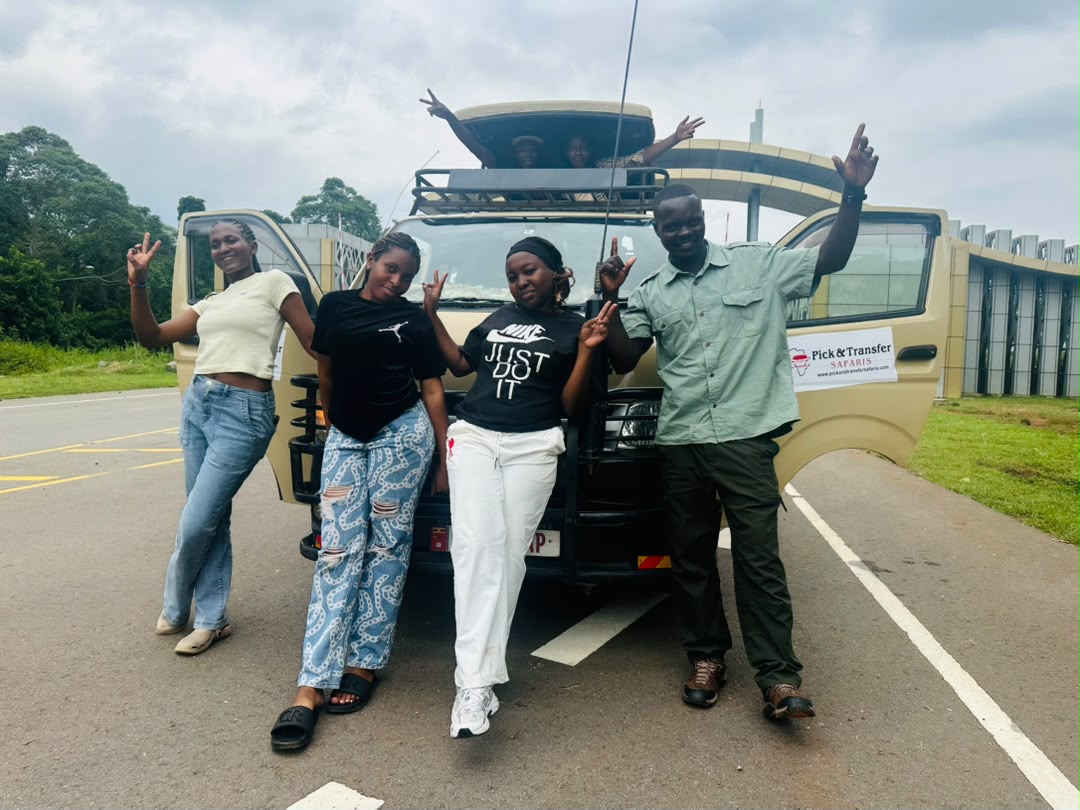
Tour Guiding Short Courses
Tour Guiding Short Courses. Not everyone entering tourism wants to spend two years in a diploma classroom before starting a career. For a large share of students, a short, focused tour guiding course is the more practical route in — a program measured in months rather than years, built specifically to get graduates into entry-level guiding and driver-guide roles as quickly as possible. Our Tour Guiding and Driving short course is built around exactly that goal, and this guide walks through what a short-format tour guiding program actually covers, how it compares to a longer diploma track, and what to expect from application through graduation.
For a point of comparison, the Uganda Tourism Institute runs a similarly structured short course lineup, and their course listings are worth reviewing alongside ours if you’re weighing where to enroll.
What Counts as a Tour Guiding Short Course
A short course, in the context of Uganda’s tourism training sector, generally means a program running somewhere between a few weeks and five months, as opposed to the one-to-two-year timelines typical of a diploma. Tour guiding short courses specifically focus on the practical, client-facing skills a working guide uses daily — vehicle handling, route and destination knowledge, client communication, and basic trip logistics — rather than the deeper business management content covered in a longer tours and travel management diploma. The trade-off is straightforward: less time invested, but a narrower, more immediately applicable skill set aimed at one specific job rather than a broader tourism management career.
Our Flagship Tour Guiding and Driving Course

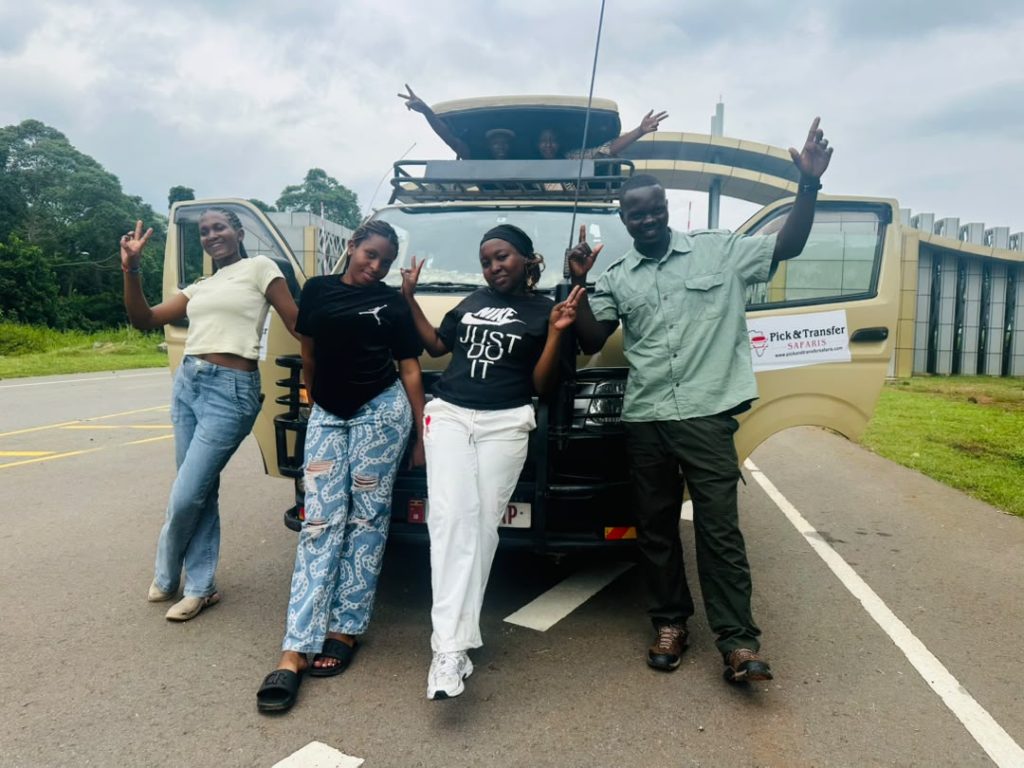
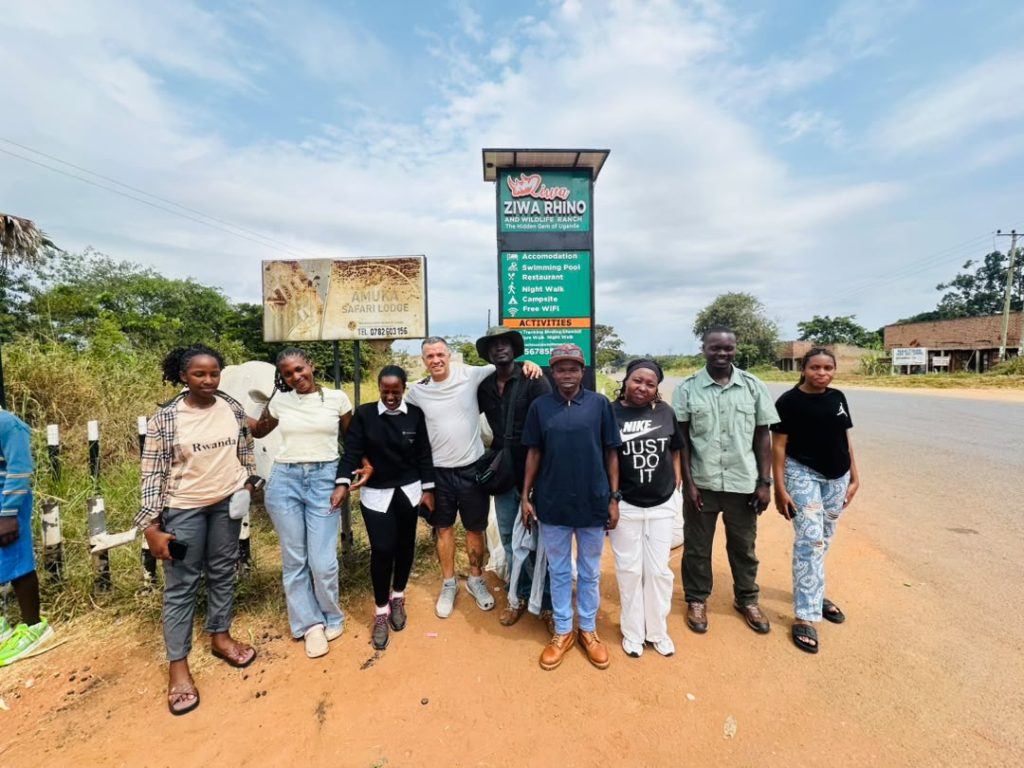
The core short course on our our courses page is Tour Guiding and Driving, a four-month program combining classroom instruction with genuine field practice. Students cover vehicle handling and defensive driving fundamentals, park and destination knowledge across Uganda’s major tourism circuits, client communication and group management, and the practical logistics of running a client itinerary from pickup to drop-off. It’s designed to mirror what a driver-guide actually does on the job from day one, rather than building toward a role students won’t step into for years.
Why Four Months Is Enough to Start a Guiding Career
Four months sounds short for a career-launching qualification, but tour guiding is a skill built more through repetition and field exposure than through prolonged classroom study. A well-structured short course concentrates on the specific competencies a new guide needs immediately — safe driving, accurate route and site knowledge, and confident client interaction — and leaves the deeper business and management theory for students who later pursue a diploma. Most entry-level driver-guide roles don’t require that management layer on day one, which is exactly why a focused short course can realistically prepare a graduate for hiring within a few months rather than a few years.
What the Curriculum Actually Covers
A short course curriculum in tour guiding typically moves through several stages: foundational classroom instruction on Uganda’s parks, wildlife, and cultural sites; practical vehicle handling and defensive driving sessions; guiding technique and client communication practice, often through role-play and mock briefings; and a final stretch of supervised field practice where students run through real or simulated itineraries under instructor observation. This structure means graduates aren’t simply memorizing facts about national parks — they’re practicing the actual mechanics of leading a group, handling questions, and keeping an itinerary on schedule.
A Typical Week in the Program

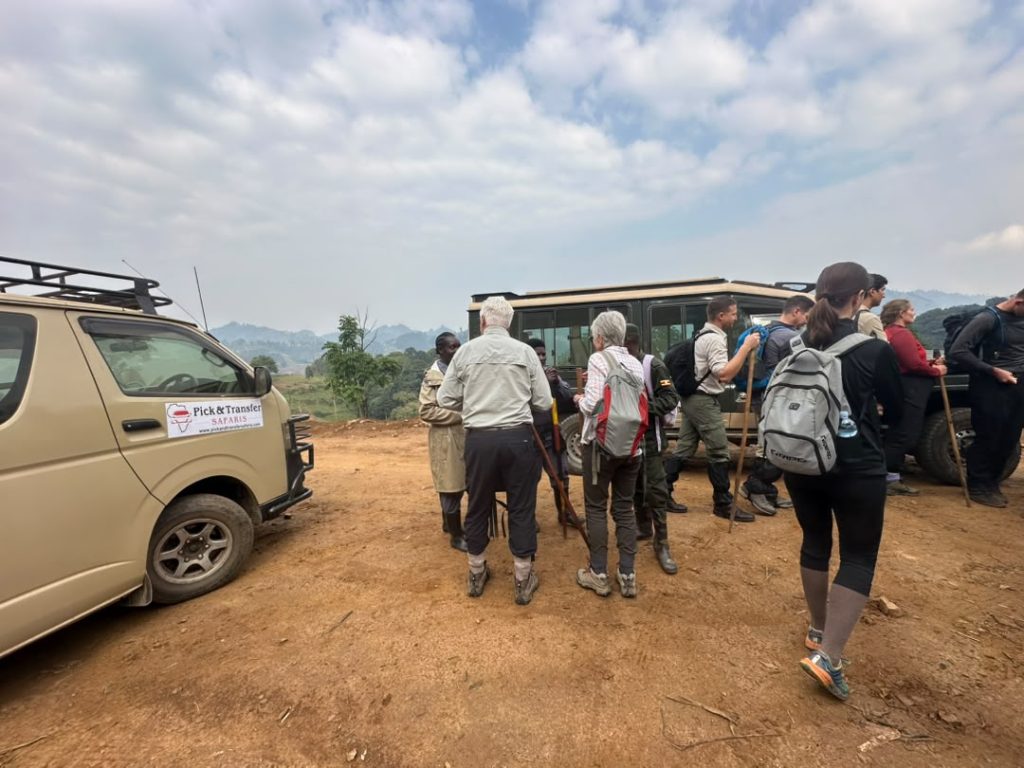
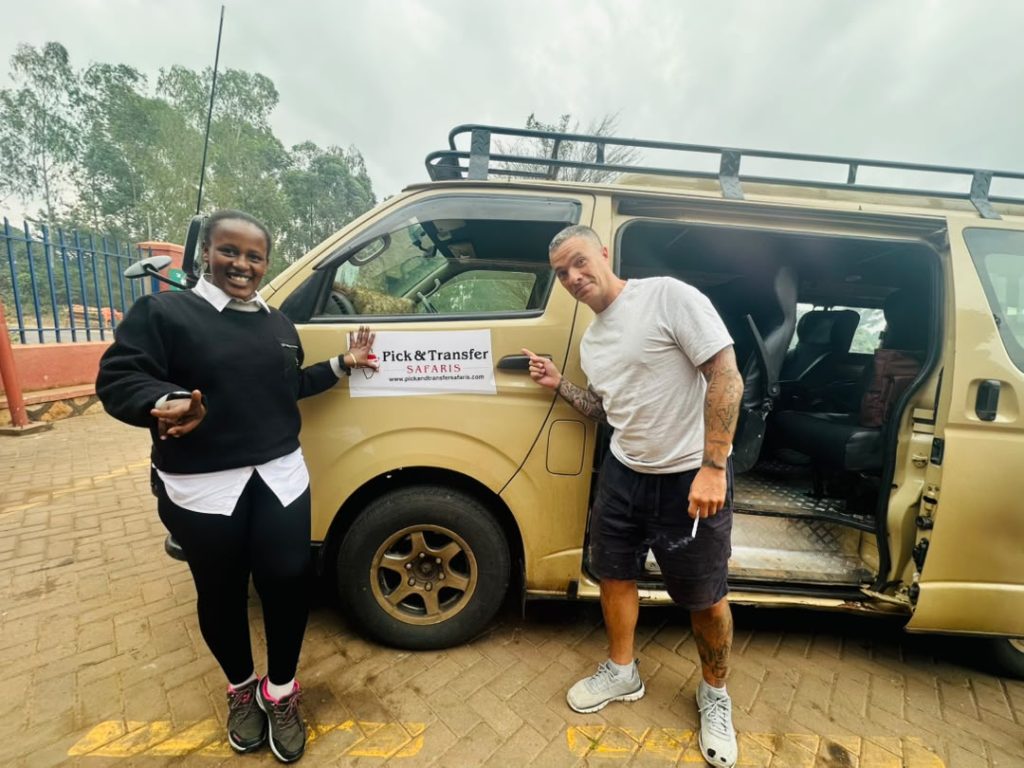
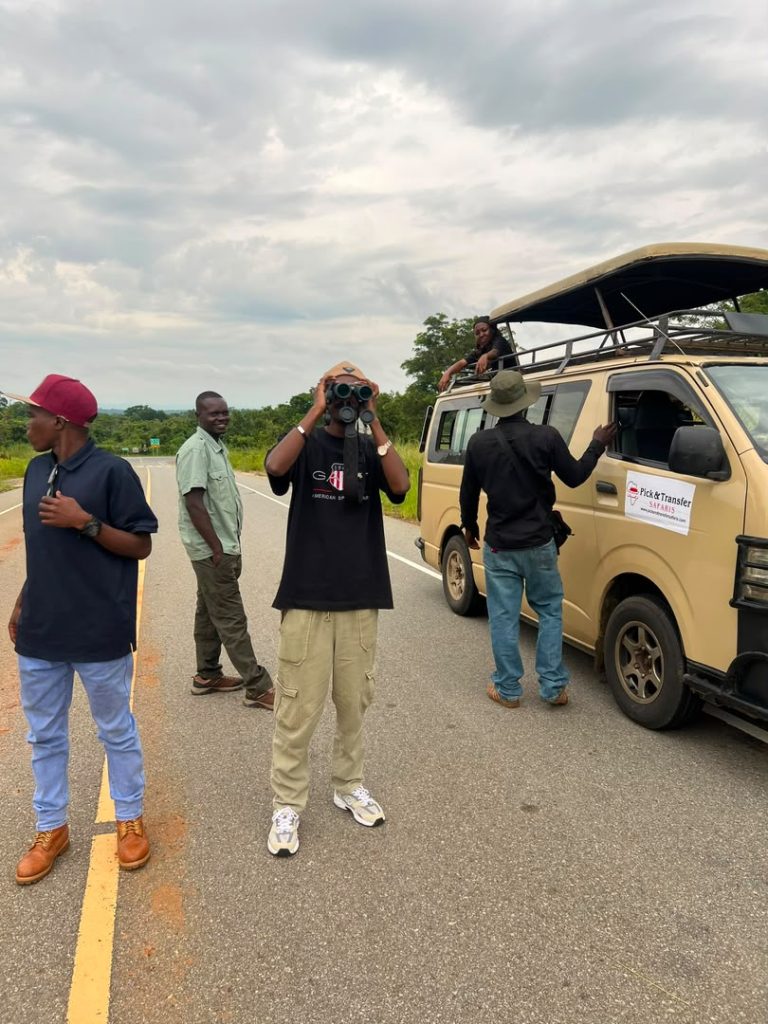
Weeks in the Tour Guiding and Driving course generally alternate between classroom mornings and practical afternoons. Classroom time covers destination knowledge, guiding ethics, customer service standards, and basic tourism industry structure, while practical sessions rotate through supervised driving practice, guiding simulations, and group exercises where students take turns leading their classmates through a mock site visit. As the course progresses, the balance shifts further toward practical work, with the final weeks built almost entirely around field practice and assessed guiding scenarios that mirror what graduates will face with real clients.
Who Should Choose a Short Course Over a Diploma
A short course suits students who want to enter the tourism workforce as quickly as possible, are certain guiding or driving is the specific role they want, or are testing the industry before committing to a longer qualification. It’s also a common choice for students already working in an adjacent role — hospitality, transport, or informal tour work — who want a formal qualification without stepping away from income for two years. Students aiming for management, tour operations leadership, or supervisory roles further down the line are usually better served starting with, or eventually adding, a longer program like Tours and Travel Management, though many begin with the short course first to get working experience before returning for that deeper qualification.
Short Course vs Diploma: A Side-by-Side Comparison
| Factor | Short Course (Tour Guiding and Driving) | Diploma (Tours and Travel Management) |
|---|---|---|
| Duration | 4 months | 1-2 years |
| Focus | Practical guiding and driving skills | Broader tourism business management |
| Best for | Entry-level driver-guide roles | Supervisory and management-track roles |
| Typical next step | Direct hire or diploma follow-on | Management or business ownership track |
Admission Requirements and How to Apply
Applications for the Tour Guiding and Driving short course, along with our other tourism programs, go through the institute’s admission page, where intake dates and entry requirements are published ahead of each new cohort. From there, prospective students submit their application through the apply now portal. The process is broadly similar to what other providers in the region require — the Uganda Tourism Institute runs its own comparable apply now process, with separate published intakes that are worth checking if you’re weighing timing between institutions.
Understanding Fees for Short Courses
Short courses are priced lower than diploma programs given the shorter duration, though exact figures vary by intake and any promotional pricing running at the time. Full current pricing for the Tour Guiding and Driving course, along with payment schedule options, is published on our fee structure page, and we’d recommend reviewing that directly alongside the course outline before applying so there are no surprises once you’ve committed to a start date.
What Happens After You Graduate
Graduates of the short course typically move into driver-guide roles with tour operators, an entry point that puts them directly on the road with clients rather than in a training or shadowing role for an extended period. The institute builds job placement support and mentorship from industry professionals into the program, aiming to connect graduates with tour operators actively hiring rather than leaving the job search entirely to the student. Given how relationship-driven Uganda’s tourism hiring tends to be, this kind of direct industry connection often matters as much as the certificate itself.
Building on a Short Course Later

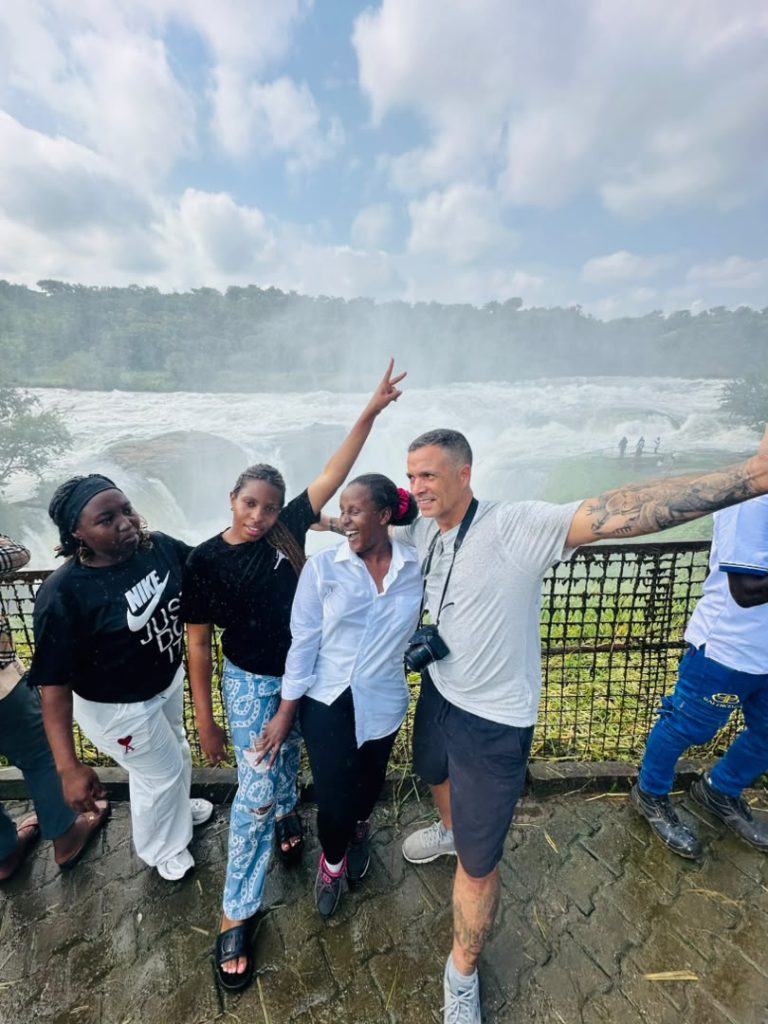
One of the practical advantages of starting with a short course is that it doesn’t close off further study. Many Tour Guiding and Driving graduates return within a year or two for a longer program like Tours and Travel Management or Tourism Operations once they’ve gained hands-on industry experience and have a clearer sense of which direction — guiding, operations, or management — they want to specialize in. Starting short and building up tends to suit students who’d rather earn while deciding on their long-term tourism career path than commit to a two-year program before ever setting foot in the industry.
How Short Courses Here Compare to Other Providers
Course lengths and structures across Uganda’s tourism training providers tend to be broadly similar, and the Uganda Tourism Institute’s course offerings reflect the same short course pattern seen here. Given that similarity, the more meaningful differences between institutions usually come down to how much genuine field practice a course includes, how active job placement support actually is after graduation, and how current the destination and route knowledge being taught is — details worth asking about directly rather than assuming from a course title alone.
Frequently Asked Questions About Tour Guiding Short Courses



How long is the Tour Guiding and Driving short course?
Four months, combining classroom instruction with practical driving and guiding field practice.
Do I need a driving license before enrolling?
Prior driving experience is helpful but not always required to start; the course includes practical driving instruction as part of the curriculum. Specific entry requirements are confirmed during the admissions process.
Is a short course enough to get hired as a guide?
Yes, most graduates move directly into entry-level driver-guide roles with tour operators. Short courses are specifically designed to prepare students for this level of role rather than management positions.
Can I upgrade to a diploma later if I start with a short course?
Yes. Many students complete the short course first, gain industry experience, and later enroll in a longer program like Tours and Travel Management once they’ve decided on a specific career direction.
What’s the difference between this and the Tourism Operations short course?
Tour Guiding and Driving focuses on client-facing field skills — vehicle handling, route knowledge, and guiding technique — while Tourism Operations focuses on the administrative and logistics side of running tours from an office setting.
Does the course include real fieldwork, or is it all classroom-based?
Real fieldwork is a core part of the course. Practical sessions include supervised driving, guiding simulations, and site visits, with the balance shifting increasingly toward field practice as the course progresses.
How do I find out the current cost of the course?
Current pricing is published on our fee structure page and should be reviewed alongside the course outline before submitting an application.
Start Your Tour Guiding Short Course
A short, focused tour guiding course remains one of the fastest realistic paths into Uganda’s tourism industry, and it’s built specifically for students who want practical, employable skills without a multi-year commitment.
Review the full our courses listing, check current pricing on our fee structure page, or head straight to the apply now portal to secure your place in the next intake.

