
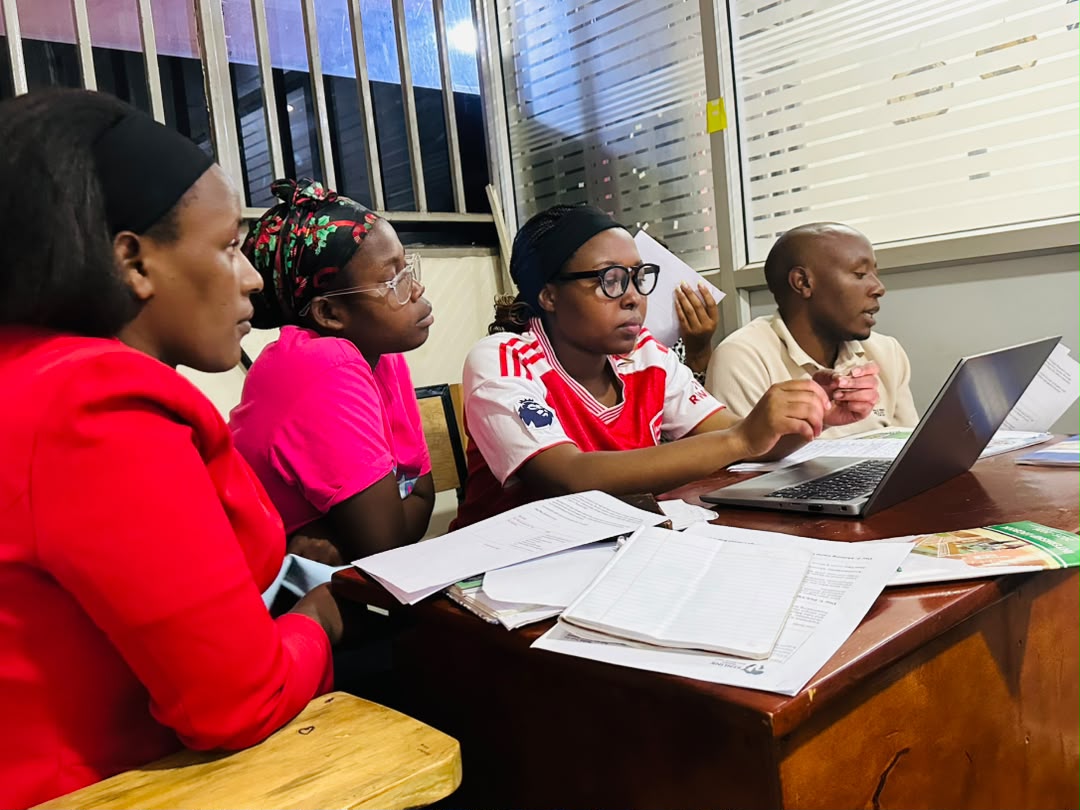
Best French Schools in Uganda
Best French Schools in Uganda. French rarely gets the spotlight in Uganda the way English does, yet it may be the single most underrated language skill a Ugandan professional can pick up. Uganda sits within a few hours of three French-speaking neighbors — Rwanda, Burundi, and the Democratic Republic of Congo — and cross-border trade, diplomacy, and tourism between these countries run heavily on French. Add in international organizations that operate across Francophone Africa, and it becomes clear why “best French schools in Uganda” has become a genuine search trend, not a niche curiosity. This guide breaks down what a serious French program should look like and why Kenlink Institute in Kampala is one of the strongest options for learners who want real, usable fluency rather than a few memorized phrases.
Choosing where to study French matters just as much as choosing to study it at all. A disorganized class with no clear levels can leave a learner stuck at “beginner” for years, while a structured program can produce working conversational ability within a matter of months. Below, we compare what to look for, spotlight the strongest programs in Kampala, and show how a French qualification pairs naturally with regional travel and business across East and Central Africa. By the end, you should be able to judge any school you’re considering — Kenlink Institute or otherwise — against a clear, practical checklist rather than a glossy homepage.
Why French Is Uganda’s Most Practical Second Foreign Language
Rwanda alone has pushed hard toward English and French as dual working languages, and businesses moving goods or services between Kampala and Kigali, Bujumbura, or Kinshasa consistently report that French ability opens doors that English alone cannot. Tour operators feel this especially strongly — a French-speaking guide can serve visitors from France, Belgium, Switzerland, Quebec, and much of West and Central Africa without a translator. Kenlink Institute’s Language Courses page reflects this regional reality by offering French as a core language alongside English, not as an afterthought. Diplomatic missions, regional airlines, and cross-border logistics firms based in Kampala also list French as a preferred or required skill far more often than most job seekers expect, which quietly makes it one of the better long-term investments a Ugandan professional can make in their own CV.
What to Look for in a Genuine French School
Before enrolling anywhere, check for the same fundamentals that separate serious language training from casual classes: clearly defined levels, published fees, qualified instructors, and a physical, verifiable campus. Kenlink Institute meets these standards openly — course structure lives on the Language Courses page, pricing is published on the Fee Structure page, and the institute’s background is fully explained on its About Us page. Any school unwilling to share this basic information upfront is one worth approaching with caution. It is also worth confirming class sizes directly — a French class of six or eight learners will always give you more speaking time per session than one crammed with thirty, and speaking time, more than any textbook, is what actually builds fluency.
Kenlink Institute’s French Program in Detail
Kenlink Institute structures its French course the same way it structures English: three progressive levels, each lasting roughly three months, moving learners from foundational vocabulary and pronunciation through to confident conversation and functional written French. This mirrors the design used across the institute’s wider course catalogue, so French learners benefit from the same institutional discipline — attendance tracking, scheduled assessment, and real certification — that applies across every program on campus. Full details on levels and duration sit on the Language Courses page.
Structured Levels: Beginner to Advanced French
Early levels focus on pronunciation, essential vocabulary, and simple conversation — greetings, numbers, directions, and everyday transactions. Middle levels introduce more complex grammar, verb tenses, and the kind of practical dialogue needed for travel or basic business interactions. Advanced levels push toward fluent conversation, reading comprehension, and enough written competence to handle correspondence or documentation in French. This kind of clear staging is echoed at Uganda Language School, whose French Language course likewise runs roughly ten structured lessons per stage, giving learners a similarly measurable path to follow. What matters most across any of these structures is that a learner never has to guess whether they are actually progressing — a proper level system means you can point to a specific stage, a specific set of skills mastered, and a specific number of months remaining before you reach fluency, rather than an open-ended promise to “get better eventually.”
Comparing Kampala’s French Programs
Uganda Language School has built a strong reputation specifically around French instruction, and its own content is worth reading before you settle on a school. Its overview of French language courses in Uganda and dedicated guide to where to study French in Kampala both give a useful, independent view of the market. A separate roundup, French Schools in Uganda, is another good cross-check before committing to any single provider, Kenlink Institute included — comparing multiple credible sources is always smarter than trusting one school’s own marketing.
Can You Study French Online in Uganda?
Yes, and increasingly this is how many working professionals fit French into a busy schedule. Kenlink Institute delivers its French curriculum through the same online courses platform used for English, letting learners join live sessions remotely without sacrificing structure. Uganda Language School addresses the same demand through its own content, including Study French Online with KCI Institute and the more general Can I Study French Language Online?, both useful reads if remote learning is your only realistic option.
Teacher Quality Makes or Breaks a French Program
French pronunciation is notoriously easy to learn incorrectly and hard to unlearn later, which makes instructor quality especially important for this particular language. Kenlink Institute publishes instructor backgrounds on its Teacher page, and the broader Instructors directory shows the teaching depth across the institute’s other departments as well. A francophone or francophone-trained instructor who corrects pronunciation actively, rather than only reviewing written homework, is worth prioritizing over a cheaper program with less rigorous correction. It is also worth asking whether a school separates listening, speaking, reading, and writing into distinct practice time, since French learners who only ever read and write in class often struggle badly the first time they need to hold a real spoken conversation — exactly the gap a good instructor should be actively working to close from week one.
Beyond French: A Campus Built for Broader Careers
One advantage of studying French at a full institute rather than a standalone language tutor is everything sitting around the language classroom. Kenlink Institute’s wider course catalogue spans tourism, hospitality, business, and technical training, so French learners aiming at guiding, diplomacy, or trade careers can pair their language certificate with a directly relevant qualification on the same campus. Graduates can also track real openings through the institute’s own Job Opportunities page, and prospective students can get a feel for campus life through the Events and Notice pages before committing to an intake.
Fees, Admission, and Getting Started
Enrollment at Kenlink Institute follows a straightforward path: review requirements on the Admission page, confirm costs on the Fee Structure page, then complete either the standard Submit Your Application form or the quicker Make Your Application Here option. Payment runs through the Pay For Your Admission portal, and any questions can go straight to the team via Contact Us rather than sitting unanswered in an inbox.
French for Travel, Trade, and Regional Business
Uganda’s tourism sector has a direct, practical use for French that many learners overlook. Operators such as Kenlink Tours regularly host French-speaking visitors exploring East Africa, and guides who can switch fluently between English and French provide a noticeably better experience, especially on combined itineraries covering Rwanda safaris alongside Uganda. Learners preparing for hospitality or guiding careers can review Kenlink Tours’ guide to Uganda to understand exactly where French-speaking travelers tend to go, which helps focus vocabulary practice on the destinations and scenarios most likely to come up on the job.
Pairing French Study with Real Travel Experience
Classroom French only goes so far without real conversation practice, and Uganda’s position next to three Francophone neighbors makes this easier to arrange than almost anywhere else in East Africa. Some learners extend their training with hands-on exposure through the Tourism Internship Uganda program, working alongside guests from across the Francophone world. Others simply plan leisure trips through Kenlink Tours once they reach an intermediate level, treating a Rwanda border crossing or a Francophone visitor’s itinerary as informal exam practice. Even a short weekend trip across the border can do more for real spoken confidence than another month of classroom drills, simply because there is no fallback to English once you are ordering food, negotiating a taxi fare, or asking directions entirely in French.
Common Mistakes When Choosing a French School
The most common error is picking a school based purely on price without checking whether the curriculum is level-based, like the one on Kenlink Institute’s Language Courses page. The second is ignoring instructor pronunciation quality entirely, which shows up months later as habits that are difficult to correct. The third is assuming French is only useful for travel — in reality, diplomacy, NGO work, and cross-border trade absorb just as many French speakers as tourism does, so it pays to be honest about your real goal, whether that means checking the Business Consultation angle or a purely conversational one, before choosing a program.
Frequently Asked Questions
How long does it take to learn conversational French in Uganda? Most learners complete Kenlink Institute’s three-level French program in about nine months of consistent study, reaching solid conversational ability well before the final level.
Is it possible to study French online from outside Kampala? Yes — both Kenlink Institute’s online courses and Uganda Language School’s guide on studying French online confirm this is a realistic option.
Why would a Ugandan need French specifically? Cross-border trade and travel with Rwanda, Burundi, and the DR Congo, plus tourism roles serving Francophone visitors through operators like Kenlink Tours, are the most common practical reasons.
How do I enroll? Start with Admission requirements, then complete the application form, or reach the team via Contact Us.
Final Verdict: Where to Study French in Uganda
Between structured levels, transparent pricing, qualified instructors, and flexible online options, Kenlink Institute stands out among Uganda’s French schools, particularly for learners who want a credential connected to a wider, respected training institution rather than a standalone tutor. Its Language Courses program gives you a clear, measurable route from your first bonjour to genuine working fluency.
If you’re ready to start, review the Admission requirements and complete your application today. Whether your goal is travel, trade, or simply a new skill on your CV, French fluency opens a part of Africa that English alone never will.
It is easy to underestimate how quickly this investment pays off. Ask around Kampala’s tourism, diplomatic, and NGO circles and you will find no shortage of professionals who credit a single structured French course with opening a role, a client relationship, or a posting that would otherwise have gone to someone else. The learners who benefit most rarely started with any special aptitude for languages — they simply chose a school with a clear curriculum, showed up consistently for every level, and looked for chances to actually use what they were learning outside the classroom, whether that meant a trip across the Rwandan border or a conversation with a francophone visitor passing through Kampala. That combination of structure and real practice, more than any single school’s marketing, is what turns a beginner’s first bonjour into genuine, useful fluency.

