
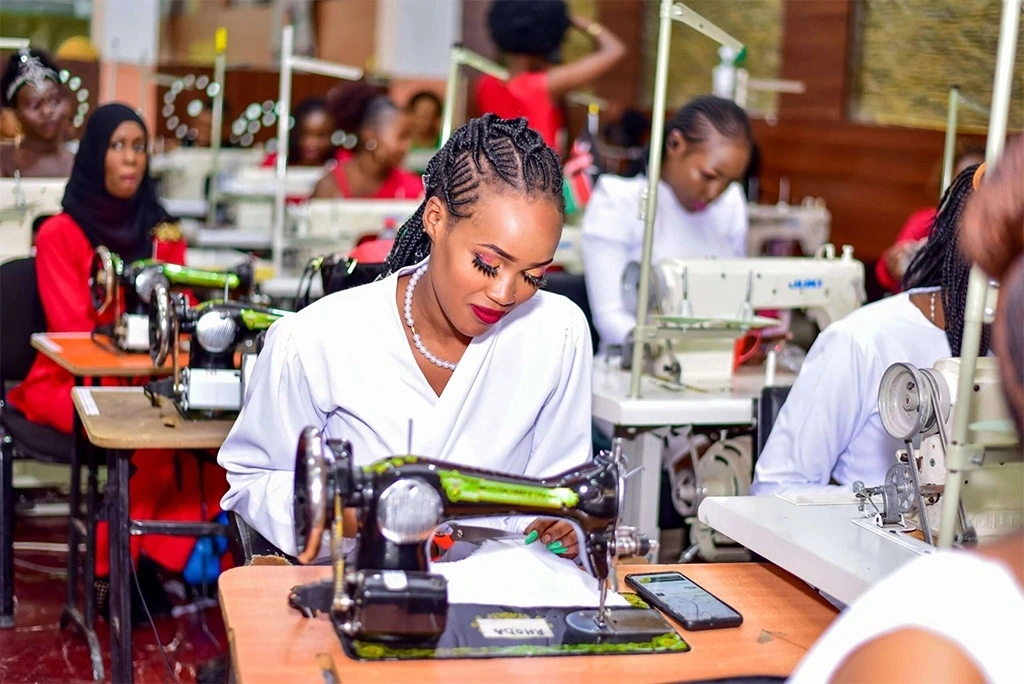
Best Schools for Fashion and Design in Kampala
Best Schools for Fashion and Design in Kampala. Kampala’s fashion scene has never been louder. From the runways of Uganda International Fashion Week to the boutique tailoring shops tucked into Kamwokya and Ntinda, the city is proving that style is one of its most exportable talents. Behind almost every successful designer, however, is a school that gave them the technical grounding, the discipline, and the confidence to turn raw creativity into a career. If you are trying to decide where to study fashion and design in Kampala, here is an honest look at some of the strongest options the city has to offer.
Why Kampala Is Becoming a Fashion and Design Hub
East Africa’s creative economy is expanding quickly, and Uganda is carving out its own identity within it. Local designers are blending traditional textiles like barkcloth and kitenge with contemporary silhouettes, while events such as Uganda International Fashion Week continue to put Kampala on the regional fashion map. That growth has created real demand for tailors, pattern makers, garment technologists, stylists, and entrepreneurs who understand both the creative and business sides of fashion. The schools below are responding to that demand in different ways, ranging from short, practical certificate courses to full university degrees.
1. KCI Institute (Kenlink Institute)
For students who want hands-on, career-focused training without spending years in a classroom, KCI Institute is one of the most practical starting points in Kampala. Located at Plot 149, Dolphin Plaza on Gayaza Road, the institute has built its reputation on turning skills into real opportunities rather than theory into certificates alone.
The Fashion & Design course is offered as both a 5-month short course and a one to two year program, giving students the flexibility to choose a pace that fits their goals. Training covers garment construction, pattern making, tailoring, and design fundamentals, with an emphasis on skills that can be applied immediately, whether that means opening a tailoring shop, joining a fashion house, or freelancing as a designer. Because the institute also runs business consultation support, graduates are encouraged to think like entrepreneurs from day one, not just technicians.
Admission is straightforward: applicants need a valid ID, two passport photos, any available academic documents, and a modest admission fee. You can review the full admission requirements or read more about the institute’s mission on the About Us page before submitting an application.
2. Margaret Trowell School of Industrial and Fine Arts – Makerere University
If you are aiming for a full university degree with deep theoretical grounding, the Margaret Trowell School of Industrial and Fine Arts (MTSIFA) at Makerere University is the most established option in the region. Founded in 1937, it is the oldest art school in East Africa and sits within Makerere’s College of Engineering, Design, Art and Technology. Fashion and textile design fall under its Department of Industrial Art and Applied Design, alongside programs in visual communication, jewelry, and multimedia design.
Studying at MTSIFA means joining a long lineage of Ugandan artists and designers, with access to a serious academic environment, research opportunities, and a campus gallery. It suits students who want a bachelor’s degree and are comfortable with a multi-year academic commitment rather than a short, practical course.
3. Kyambogo University – School of Vocational Studies
Kyambogo University runs a dedicated Department of Cosmetology and Fashion (Clothing Design) under its School of Vocational Studies. The program is built around Uganda’s growing beauty and fashion industries, training students in clothing design alongside cosmetology so graduates leave with a broader, more employable skill set.
Kyambogo’s approach leans heavily on vocational, hands-on instruction, and the university has even backed research into reusing textile waste within Uganda’s fashion supply chain, a sign that sustainability is becoming part of the national curriculum conversation. For students who want a public university qualification with a strong practical component, this is a solid middle ground between a short course and a purely academic degree.
4. YMCA Comprehensive Institute
The YMCA Comprehensive Institute offers a Bachelor of Fashion & Design built around an industry-driven curriculum. The program emphasizes access to design studios and current tools, along with partnerships that connect students to fashion houses and working designers for internships and real-world projects.
What stands out about YCI’s program is its focus on mentorship. Lecturers are drawn from practicing designers and industry professionals rather than purely academic staff, which means students are learning techniques that are currently being used in the market, not just textbook theory.
5. Uganda Christian University – Faculty of Engineering, Design & Technology
Just outside Kampala in Mukono, Uganda Christian University (UCU) houses its design programs within the Faculty of Engineering, Design & Technology, under the Department of Visual Arts and Design. The university markets its fashion-related training around ethical and sustainable practice, encouraging students to think about the environmental footprint of the garments they create.
UCU’s broader reputation for structured, values-driven education extends into this program, and students benefit from internship pathways with local fashion brands. It is a strong choice for students who want their design training paired with a values-based, holistic university experience.
6. Kampala University
Kampala University offers a Bachelor of Fashion Industrial Design under its Industrial Art and Design program, typically completed over three years. It is a lesser-discussed option compared to Makerere or UCU, but it gives students another university-level route into the industry, with a curriculum that blends design fundamentals with industrial production techniques.
How to Choose the Right Fashion School in Kampala
With several solid options on the table, the right choice really comes down to three questions. First, how much time can you commit? A five-month certificate gets you working faster than a four-year degree, but a degree may open doors to larger fashion houses or further study abroad. Second, do you want a pure design education or a blended skill set? Programs that combine fashion with cosmetology, business, or textile technology can make graduates more versatile in a market where many designers also run their own brands. Third, what kind of learning environment suits you: a large public university with research facilities, a faith-based institution with a values-driven culture, or a hands-on vocational institute built around getting you employable quickly?
There is no universally “best” answer, only the best fit for your goals, budget, and timeline.
Start Your Fashion and Design Journey Today
Kampala now offers a genuine range of pathways into the fashion industry, from century-old university art schools to fast-track vocational training. If you want a practical, supportive environment that gets you designing and building real garments from your very first term, explore the Fashion & Design course at KCI Institute and take the first step toward turning your creativity into a career. You can apply online today or reach out through the About Us page to learn more about life as a student at KCI.
.

