
How long does it take to learn fashion and design
How long does it take to learn fashion and design. It’s one of the first questions almost everyone asks before enrolling in a fashion and design programe, and the honest answer is: it depends on what you’re aiming for. Fashion and design isn’t a single fixed course with one universal timeline — it spans everything from a few months of focused, practical training to a full multi-year qualification, and the right length for you depends on whether you want a quick entry into the industry or a deeper, more comprehensive foundation. Here’s how that timeline actually breaks down, and where KCI Institute‘s own Fashion and Design programme fits within it.
Short Courses: A Few Months
At the fastest end of the spectrum, short fashion and design courses typically run for a matter of months rather than years. These are built for focused, practical skill-building — garment construction basics, introductory sketching, or a specific technique — rather than a comprehensive grounding in the industry as a whole. They suit people who want to test their interest in fashion before committing to something longer, or who already have some experience and simply want to sharpen a particular skill.
What a short course won’t give you is the breadth that a full certificate or diploma programme covers — design theory, fashion marketing, trend forecasting, and the business side of the industry all tend to sit outside a short course’s scope, simply because there isn’t time to cover them properly.
Certificate Programmes: Around a Year
A certificate in fashion and design, of the kind offered at KCI Institute, sits in the middle of the timeline and is where most students genuinely get their first comprehensive grounding in the field. Our own National Certificate in Fashion and Design covers fashion trends, design principles, garment construction, and fashion marketing as a connected whole, rather than teaching any one of these in isolation.
The curriculum introduces the foundational design principles that underpin everything else in the field — colour theory, silhouette, balance, and proportion — and builds practical skill in fashion illustration and sketching, teaching students to draw fashion figures, render fabric textures, and communicate design concepts visually. Alongside the creative and technical side, the certificate also covers fashion trends and forecasting, helping students understand how to read consumer preferences and anticipate market shifts, and the fundamentals of fashion marketing and merchandising, including branding, pricing, and promotional strategy within the fashion industry specifically.
This is open to anyone with a genuine passion for fashion and design, regardless of prior educational background — your level of entry is simply determined by your previous education, rather than fashion and design experience being a prerequisite in itself. That makes a certificate-length programme the right starting point for the large majority of people asking this question in the first place: enough time to build a real, rounded foundation, without the multi-year commitment of a diploma or degree.
Diploma Programmes: Around Two Years
For students wanting to go further, a diploma in fashion and design typically runs longer than a certificate, often across two years, and builds on the same foundational principles with greater depth — more advanced garment construction and pattern work, deeper study of textiles, and often a stronger focus on the management and production side of running a fashion business rather than simply designing within one. A diploma suits students who already know fashion is the career they want to build, and who are prepared to invest the additional time for a more complete qualification before entering the industry.
Degree Programmes: Three to Four Years
At the far end of the spectrum sit full bachelor’s degree programmes in fashion design, typically running three to four years and combining fashion theory, technical training, and often a research component. These tend to suit students planning to move into more specialised or senior roles — design leadership, textile technology, or fashion business management at a higher level — and represent the biggest time investment of any option on this list.
Why a Certificate Is Often the Right Starting Point
For most people asking how long it takes to learn fashion and design, the honest answer is that a certificate programme delivers the best balance between time invested and genuine, employable skill gained. A well-structured certificate, like the one offered at KCI Institute, doesn’t just teach sketching or sewing in isolation — it builds design principles, technical construction skills, trend awareness, and business fundamentals together, giving graduates a rounded foundation they can build a career or a diploma progression on top of, without committing years before finding out whether the industry suits them.
Learning With Nationally Recognised Certification
Our Fashion and Design programme is assessed and certified in line with standards set by the Uganda Vocational and Technical Assessment Board (UVTAB), the national body responsible for the assessment and certification of competencies gained through both formal and informal technical and vocational education and training in Uganda. That means the certificate you earn isn’t simply an internal qualification from a single institute — it’s nationally recognised, assessed against standards developed with input from the industries that will eventually employ or work alongside you.
What Studying Fashion and Design at KCI Institute Looks Like
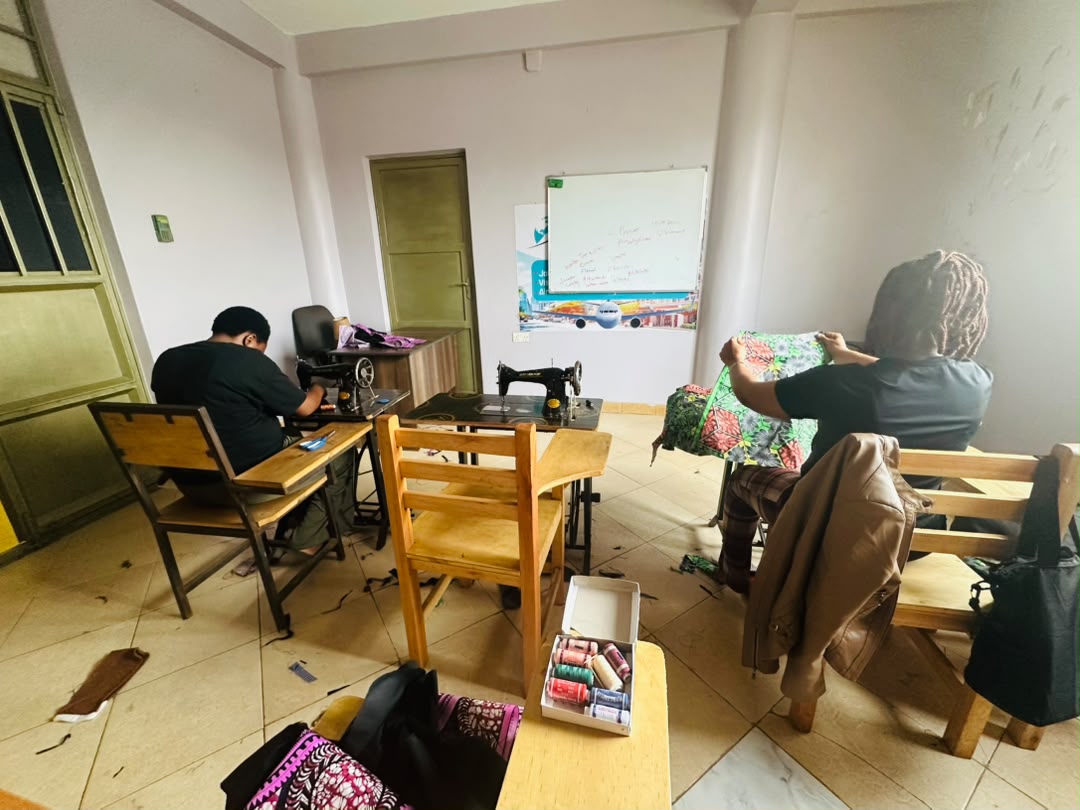
Throughout the programme, students combine classroom learning with genuinely practical, hands-on work — real garment construction, real design projects, and the kind of applied training that gives graduates something to show for their certificate beyond a piece of paper. Our lecturers bring practical industry background into the classroom, and the curriculum is kept aligned with what Uganda’s fashion and design sector actually needs from new entrants, rather than a purely academic version of the field.
How Long Should You Actually Plan For
If you want the fastest possible entry into fashion and design, a short course of a few months will get you basic, practical skills. If you want a genuine, rounded foundation you can build a career on — design principles, construction, marketing, and trend awareness together — plan for a certificate-length programme of roughly a year. If you already know fashion is your long-term path and want deeper technical and business training, a two-year diploma is worth the additional investment. And if you’re aiming for design leadership or a highly specialised role, a full degree remains the most thorough, if lengthiest, route.
Start Your Fashion and Design Journey Today
Whatever your ultimate goal, the National Certificate in Fashion and Design at KCI Institute gives you a genuinely comprehensive foundation in around a year, taught by instructors with real industry background, and certified to nationally recognised standards. There’s no need to have prior fashion training to begin — just the passion for it.
Apply now to join our next intake, or browse our full range of courses if you’d like to see how fashion and design compares with our other programmes first. Our admissions team is ready to answer your questions about entry requirements and start dates — don’t let uncertainty about timelines hold you back from starting the career you’re passionate about.

