
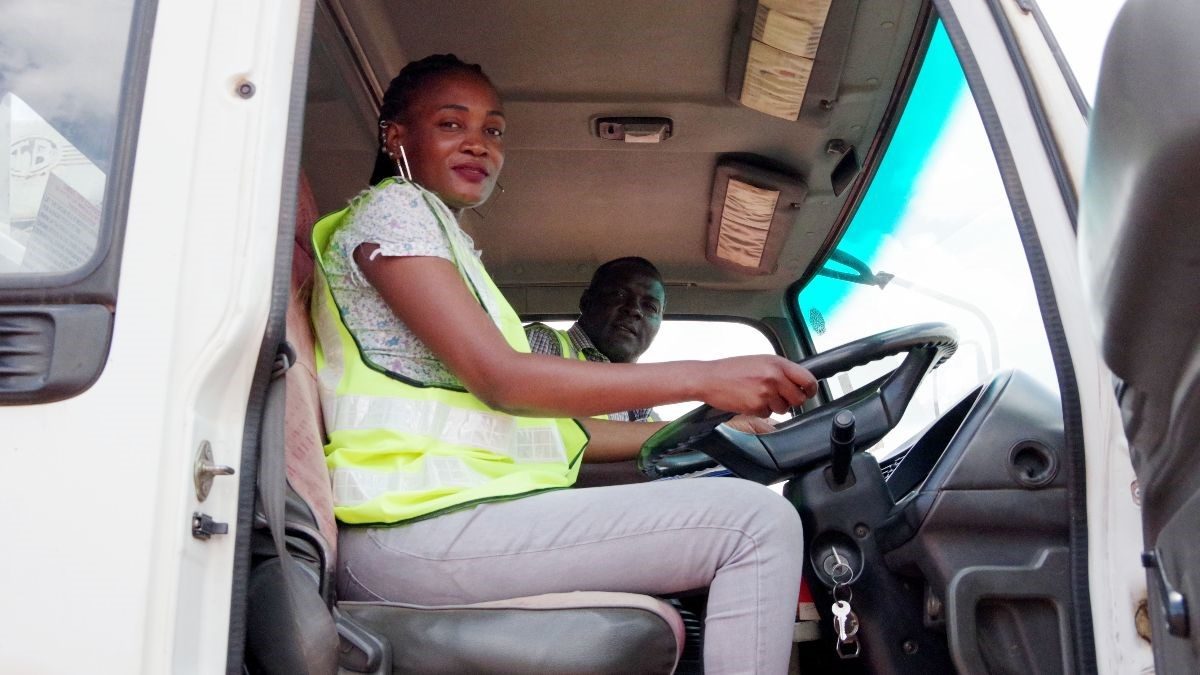
How to become a best driver in Uganda
How to become a best driver in Uganda. Anyone can learn to move a car. Becoming one of the best drivers in Uganda takes much more. The best drivers on our roads are calm in Kampala traffic, careful on murram roads in the rain, respectful of boda bodas and pedestrians, and trusted by employers, passengers and tourists. They rarely get fines, rarely have crashes and are always first in line for good driving jobs.
The good news is that great driving is a set of skills and habits that anyone can learn. In this guide, the trainers at KCI Institute (Kenlink Comprehensive Institute) in Kampala share the 15 habits that separate excellent drivers from average ones, from your first lesson to a professional driving career.
What Makes Someone the Best Driver in Uganda?
A great driver is not the fastest person on the road or the one who can squeeze through the smallest gap. The best drivers share four qualities:
- Skill: smooth, confident control of the vehicle in every situation.
- Knowledge: a solid understanding of the Highway Code, road signs and Uganda’s traffic laws.
- Attitude: patience, discipline and respect for every road user.
- Responsibility: a well-maintained vehicle, valid documents and a clean record.
The habits below build all four.
1. Start Right: Train at a Licensed Driving School
Bad habits learned from a friend or relative in a parking lot are hard to unlearn. Proper training from a qualified instructor gives you the right foundation from day one. It is also the law: you need proof of enrolment with a licensed school to get a learner licence, and you can only sit the driving test after completing a training course.
Before you pay any school, check that it appears on the official list of licensed driving schools for the class of vehicle you want. To see what quality lessons should cover, read our guide to driving lessons in Uganda.
2. Master the Highway Code and Road Signs
The best drivers do not guess. They know what every sign, road marking and signal means, who has right of way at a roundabout, and when overtaking is forbidden. Uganda’s driving rules come from the Traffic and Road Safety Act and the regulations published by the Ministry of Works and Transport. Keep studying the Highway Code even after you pass your test; rules change, and new regulations are added regularly.
3. Learn Both Manual and Automatic
Many people now learn only on automatic cars because they are easier. But many trucks, tour vehicles, pick-ups and company cars in Uganda are still manual. A driver who is comfortable in both is more flexible and more employable. Our beginner course lets you train on manual and automatic in about one month; see the options on our courses page.
4. Make Defensive Driving a Habit
Defensive driving means expecting other road users to make mistakes and leaving yourself the time and space to avoid them. In practice, that means:
- Keeping a safe following distance, at least three seconds in good conditions and more in rain.
- Scanning far ahead and checking mirrors every few seconds.
- Covering the brake near taxi stages, schools and markets.
- Assuming a boda boda may pull out or change lanes without warning.
- Never relying on another driver to stop at a junction just because they should.
Defensive driving is the single most valuable skill a Ugandan driver can have, and many employers ask for a certificate. Our two-week defensive driving course is ideal for licensed drivers who want to sharpen this skill.
5. Respect Speed Limits
Speed turns small mistakes into fatal crashes. Uganda revised its speed limits through the Traffic and Road Safety (Prescription of Speed Limits) Regulations, which set a 30 km/h limit for urban roads and high-risk areas such as schools, markets and hospitals, with higher limits on highways and expressways. Always follow the posted signs and the latest rules on the Ministry of Works and Transport’s Traffic and Road Safety Laws and Regulations page. The best drivers also slow down below the limit when conditions demand it, such as in rain, at night or in crowds.
6. Never Drink or Use Drugs and Drive
Driving with alcohol above the prescribed limit or under the influence of drugs is an offence under Uganda’s Traffic and Road Safety (Prohibited Drugs and Alcohol Limit) Regulations, 2023, and police can impound your vehicle. Professional drivers of buses, trucks and other commercial vehicles are held to stricter standards. The best rule is simple: if you drink, do not drive. Plan a lift, a taxi or a designated driver before the evening starts.
7. Put the Phone Away and Wear Your Seatbelt
Using a phone while driving is illegal and dangerous; even a two-second glance at a message means travelling blind. Put your phone on silent or in the glove box, and pull over safely if you must make a call. Always wear your seatbelt and make sure every passenger does too. These two habits cost nothing and save lives every day.
8. Share the Road with Boda Bodas, Taxis and Pedestrians
Uganda’s roads are shared by many types of users, and the best drivers respect them all. Give boda bodas space, especially when turning left. Expect taxis to stop suddenly to pick up passengers. Slow down near pedestrians, especially children and the elderly, and always stop at zebra crossings. Avoid aggressive hooting, flashing lights and road rage; calm drivers make better decisions.
9. Handle Uganda’s Road Conditions with Confidence
From smooth expressways to muddy murram roads, Uganda’s roads demand adaptability:
- Rain: slow down, double your following distance and switch on your lights.
- Murram and gravel roads: reduce speed, avoid sudden braking and watch for loose surfaces and dust.
- Potholes and speed humps: look far ahead so you can slow down early rather than swerving.
- Night driving: watch for unlit vehicles, cyclists and animals, and dip your headlights for oncoming traffic.
- Hilly and off-road routes: use the right gear and, in 4x4s, learn proper off-road techniques.
Safari and tour drivers face these conditions daily. Our Tour Guiding and Driving Course trains drivers in off-road and defensive driving in 4x4s and safari vans.
10. Understand Your Vehicle
A great driver notices when something is wrong before it becomes a breakdown or a crash. Learn to check tyre pressure and tread, engine oil, coolant, brake fluid, lights and wipers. Listen for unusual noises and watch warning lights on the dashboard. Many crashes in Uganda are linked to mechanical faults such as worn brakes and tyres.
If you want to go further, our Driving and Mechanics Course combines driving with practical vehicle maintenance and repairs, and our automotive mechanics course in Uganda guide explains the longer certificate route.
11. Manage Fatigue on Long Journeys
Long trips from Kampala to Gulu, Mbarara or Kasese are tiring, and a tired driver reacts like a drunk one. Get proper sleep before a long journey, take a break at least every two hours, share the driving where possible, and never push on when your eyes feel heavy. Professional drivers should plan their routes and rest stops in advance. Before setting off, check your tyres, fuel, lights and spare wheel, carry water and a charged phone, and tell someone your route and expected arrival time. Avoid heavy meals before driving, and if you start yawning, drifting between lanes or missing road signs, stop at a safe place and rest.
12. Know What to Do After a Crash
Even careful drivers may witness or be involved in a crash. The best drivers stay calm, make the scene safe with hazard lights and warning triangles, call for help and offer first aid if they are trained. Uganda’s Post Crash Emergency Care Regulations, 2023 aim to improve the care victims receive. Report the incident to the Uganda Police Force and never leave the scene of a crash you were involved in. A basic first aid course is a smart investment for any regular driver.
13. Keep Your Licence and Documents Valid
A great driver is always legal. Carry your driving licence, keep your vehicle’s insurance and documents up to date, and renew your licence before it expires. According to the Uganda Driver Licensing System, if you let your licence lapse too long, you must go back to the Inspectorate of Vehicles to be retested before renewal. Set a reminder a few months before your expiry date.
14. Never Stop Learning
The best drivers keep improving long after their test. Take a defensive driving refresher every few years, learn new vehicle types, and stay updated on changes to traffic law. As your career grows, you can add classes to your driving licence to drive larger vehicles, after training and testing for each new class. For bus, truck and machinery roles, see our heavy truck and bus training and heavy machinery training programmes.
15. Build a Professional Reputation
For professional drivers, reputation is everything. Be punctual, keep your vehicle clean, dress smartly, treat passengers with courtesy and keep a clean driving record. Employers such as NGOs, embassies, tour companies, hotels and logistics firms look for drivers with good references, a defensive driving certificate and a history free of crashes and fines. Drivers who add skills like customer care, tour guiding or basic mechanics stand out even more. Explore our tour guiding short courses if you dream of a career driving tourists through Uganda’s national parks.
Common Mistakes That Stop Drivers from Becoming Great
- Learning from friends instead of a qualified instructor.
- Overconfidence after passing the test.
- Speeding to save a few minutes.
- Tailgating and aggressive overtaking.
- Ignoring warning lights and skipping vehicle maintenance.
- Driving when tired, emotional or after drinking.
- Letting the licence or vehicle documents expire.
Avoid these, and you are already ahead of many drivers on Uganda’s roads.
How KCI Institute Helps You Become a Top Driver
At KCI Institute, we focus on practical, real-world training rather than theory alone. Our driving programmes include:
- Beginner driving (automatic or manual + automatic): about one month.
- Defensive driving: two weeks for licensed drivers.
- Driving and mechanics: for drivers who want to maintain and repair vehicles.
- Tour guiding and driving: four months, with field placement.
- Heavy trucks, buses and machinery: specialised operator training.
You can compare all costs on our fee structure page, browse our wider short courses in Kampala, or learn more about Kenlink Comprehensive Institute.
Frequently Asked Questions
What is the most important skill for a driver in Uganda?
Defensive driving. Anticipating other road users’ mistakes and leaving space to react prevents more crashes than any other skill.
How long does it take to become a good driver?
Most beginners are test-ready after about one month of training, but becoming a truly skilled driver takes months of regular, careful practice in different conditions.
Do employers in Uganda require a defensive driving certificate?
Many NGOs, corporate organisations and institutions list a defensive driving certificate as a requirement or an added advantage when hiring drivers.
Can an experienced driver still benefit from training?
Yes. Refresher and defensive driving courses correct bad habits that build up over the years and update you on new traffic rules.
How can I become a professional driver in Uganda?
Train at a licensed school, get your licence, add a defensive driving certificate, keep a clean record and consider extra skills such as mechanics, tour guiding or heavy vehicle operation.
Start Your Journey to Becoming a Top Driver
Becoming the best driver in Uganda is not about talent; it is about training, discipline and the right habits practised every day. Start with a licensed school, keep learning and treat every journey as a chance to drive a little better than the last.
Ready to begin? Call +256 789 210 067 or +256 200 955 001, email info@kenlinkinstitute.ac.ug, or visit KCI Institute at Plot 149, Dolphin Plaza, Gayaza Road, Mulago Kubiri, Kampala.
