
Diploma in Travel and Tourism
Diploma in Travel and Tourism. Uganda’s tourism industry runs on people who know how to actually operate within it — planning itineraries, managing travel agency bookings, guiding clients through national parks, and running the day-to-day business of tour companies and hospitality properties. The Diploma in Travel and Tourism at KCI Institute is built specifically to produce that kind of graduate: someone who leaves with both the theoretical grounding and the hands-on, field-tested experience the industry actually looks for when hiring.
Why This Diploma, and Why Now
Uganda’s tourism sector continues to grow year on year, driven by world-class wildlife experiences, a rich cultural heritage, and sustained government investment in marketing the country internationally. The Uganda Tourism Board exists precisely to drive that growth, and its own mandate includes promoting and sponsoring educational programmes and training within the tourism sector — an explicit acknowledgement that the industry’s expansion depends on a steady supply of properly trained professionals. A diploma in this field isn’t a gamble on an uncertain sector; it’s training for one that Uganda’s government is actively expanding, and one that continues to generate real employment across travel agencies, tour operators, hotels, and national park-adjacent businesses.
What the Diploma Covers
The Diploma in Travel and Tourism at KCI Institute provides a foundational, comprehensive grounding across the full range of what the industry actually requires. Core areas of study include tourism and hospitality operations, customer service, travel agency management, tour operations, and event management, alongside the practical skills that separate job-ready graduates from those with theory alone.
Typical modules across the programme include an introduction to tourism and hospitality that covers the fundamentals of the industry both globally and within Uganda specifically; travel operations and management, where students learn how tour companies and travel agencies actually function, including itinerary planning, bookings, and client handling; tour guiding and leadership skills, covering how to lead groups, communicate accurate destination information, and manage safety in the field; customer care and communication, developing the interpersonal skills that underpin service delivery in any tourism business; and geography and tourist destinations, studying major Ugandan and global destinations, travel routes, and the maps that tour planning depends on. Depending on your interests, the diploma can also touch on tourism economics, event management, tourism policy and planning, and the legal aspects of operating within the sector.
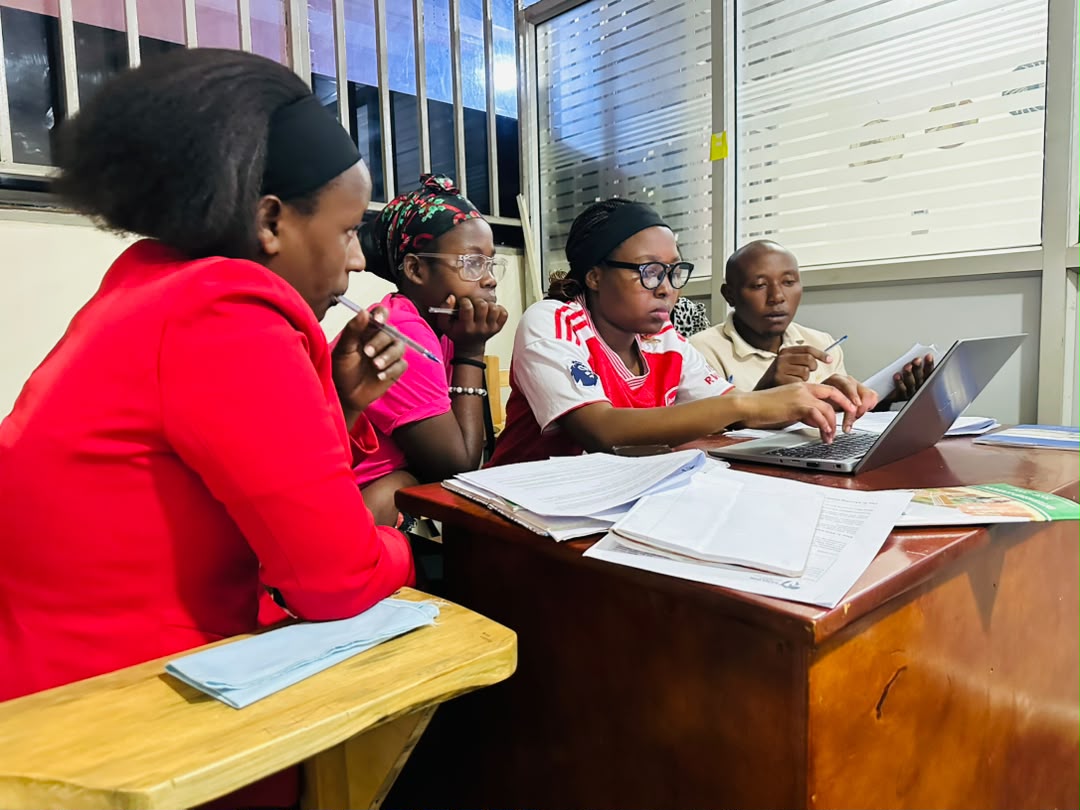
Throughout the programme, classroom instruction is paired with field trips, practical sessions, and internship placements, giving students direct exposure to Uganda’s tourism establishments and destinations rather than a purely theoretical understanding of them.
How Long It Takes and Who It’s For
The diploma typically runs across two years, structured into four semesters, in line with standard diploma-length programmes across Uganda’s tourism education sector. Applicants should generally hold at least an A-Level qualification or its recognised equivalent, though those who have already completed a certificate-level qualification in tourism or a related business field are also considered, giving certificate graduates a clear route to progress further within the same institution rather than starting elsewhere from scratch.
The programme suits school leavers looking to enter the tourism industry directly, as well as those already working in hospitality or travel who want to formalise their experience with a recognised qualification and move into more senior roles. For students who aren’t yet ready to commit to the full two-year diploma, KCI Institute’s Certificate in Tourism offers a shorter, faster route into the sector that also lays the groundwork for progressing into the diploma later.
Flexible Study Options
Not every student can attend full-time, in-person classes for two consecutive years, and KCI Institute structures its tourism programmes to accommodate that reality. Alongside standard classroom-based study, flexible and online learning options are available, making the diploma accessible to students balancing study with work, family responsibilities, or distance from campus, without compromising on the practical, field-based training that defines the programme.
Nationally Recognised Certification
Our tourism programmes are assessed and certified in line with standards set by the Uganda Vocational and Technical Assessment Board (UVTAB), the national body responsible for the assessment and certification of competencies gained through both formal and informal technical and vocational education and training in Uganda. That matters directly for graduates: your diploma isn’t simply an internal institutional certificate, but a nationally recognised qualification assessed against standards developed in consultation with the industries you’ll eventually work in.
Learning Within an Industry-Connected Institute
KCI Institute’s tourism programmes benefit from direct connections to the wider industry, including partnerships with the Uganda Tourism Board and the Uganda Wildlife Authority, the government body responsible for managing the national parks and wildlife experiences that sit at the centre of Uganda’s tourism economy. Students also benefit from the institute’s close relationship with Kenlink Tours, providing direct pathways to internship placements and job opportunities within an active, operating tour company rather than a purely academic setting. Our lecturers bring genuine industry experience into the classroom, and field trips and practical training place students directly within the tourism establishments and destinations they’re studying.
Where the Diploma Can Take You
Graduates of the Diploma in Travel and Tourism go on to work as tour consultants, tour guides, travel agency staff, hospitality and hotel managers, and in leadership positions across Uganda’s travel and tourism businesses. The diploma also equips graduates with the entrepreneurial grounding to start their own tourism-related ventures — tour companies, travel consultancies, or hospitality businesses — rather than relying solely on employment within existing organisations. The communication, leadership, and business management skills built throughout the programme are, in addition, genuinely transferable to sectors well beyond tourism, should your career path shift over time.
What to Expect From Studying With Us
Beyond the curriculum itself, KCI Institute prioritises industry-relevant training matched to what Uganda’s tourism sector actually needs, instruction from experienced lecturers with real backgrounds in tour operations, guiding, and hospitality, hands-on learning through field trips and internships rather than classroom theory alone, and tuition kept genuinely accessible so that quality tourism education isn’t limited to those who can afford the most expensive institutions. Our facilities include well-equipped classrooms and digital learning resources designed to support both our in-person and flexible study options.
Apply Today
If you’re ready to build a career in one of Uganda’s fastest-growing industries, the Diploma in Travel and Tourism at KCI Institute gives you the nationally recognised qualification, the practical field experience, and the industry connections to make that career genuinely achievable — not years from now, but starting with your very next intake.
Apply now to secure your place, or explore our full range of courses if you’d like to compare the diploma against our Certificate in Tourism or other programmes first. Our admissions team is ready to walk you through entry requirements, intake dates, and study options, whether you’re joining us on campus or online. Uganda’s tourism industry is growing — make sure you’re ready to grow with it.

