
African Institute of Tourism and Field Guiding
African Institute of Tourism and Field Guiding. Uganda’s tourism industry runs on people, not just parks. Behind every gorilla trek, every game drive, and every well-run lodge is a driver-guide, tour operations officer, or hospitality professional who trained somewhere specific before ever meeting a client. The East African Institute of Tourism and Field Guiding exists to be that starting point, offering practical, industry-facing training built around the actual skills Uganda’s tourism sector hires for rather than purely theoretical coursework. This guide walks through what the institute offers, how its programs are structured, and what makes hands-on field guiding training different from a standard hospitality diploma.
For readers comparing training options across the region, it’s worth looking at how other institutions structure similar programs — the Uganda Tourism Institute runs a comparable slate of tourism and hospitality courses, and its course listings are a useful reference point for anyone weighing where to study.
What the African Institute of Tourism and Field Guiding Actually Trains You For
Field guiding is a specific, learnable skill set, not simply a byproduct of living near a national park. Guides need to read animal behavior, manage group safety on foot or in a vehicle, communicate clearly across language barriers, and handle the logistics of a multi-day itinerary without a hitch. The institute’s training is built around this reality, combining classroom instruction with field practice so that graduates leave with more than a certificate — they leave having actually driven the routes, briefed mock clients, and handled the kind of real-time problem solving the job demands daily.
A Practical, Skills-First Mission
Founded in 2009 and based at Dolphin Plaza on Gayaza Road, the institute has built its reputation on practical skills training rather than purely academic instruction. Its stated mission centers on quality education paired with hands-on learning and a genuinely supportive environment for students, many of whom are entering tourism as a first career rather than transferring in from another field. That emphasis on practice over theory runs through every course on the our courses page, from short certificate programs to full diploma tracks.
Tour Guiding and Driving: The Institute’s Flagship Program
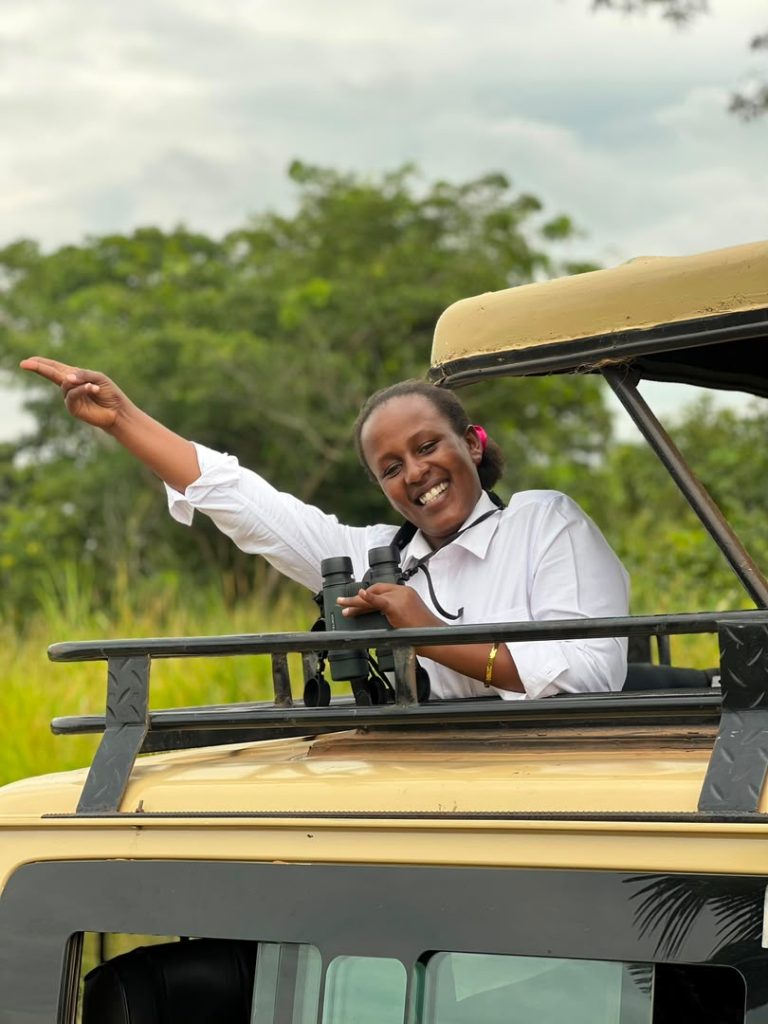
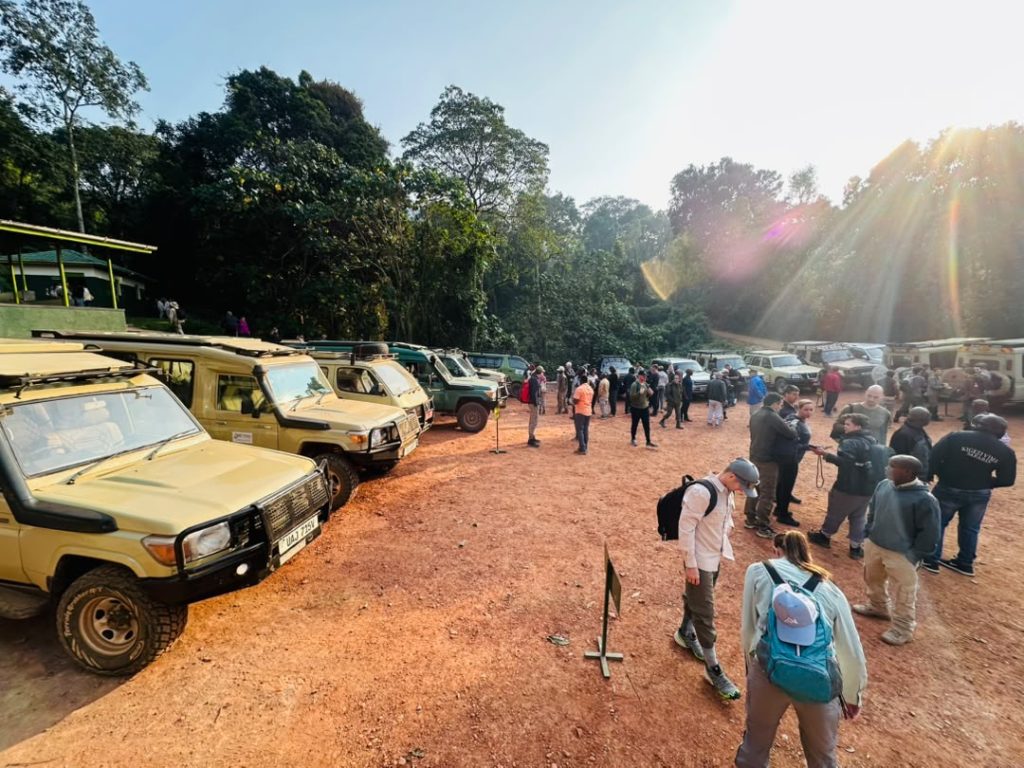
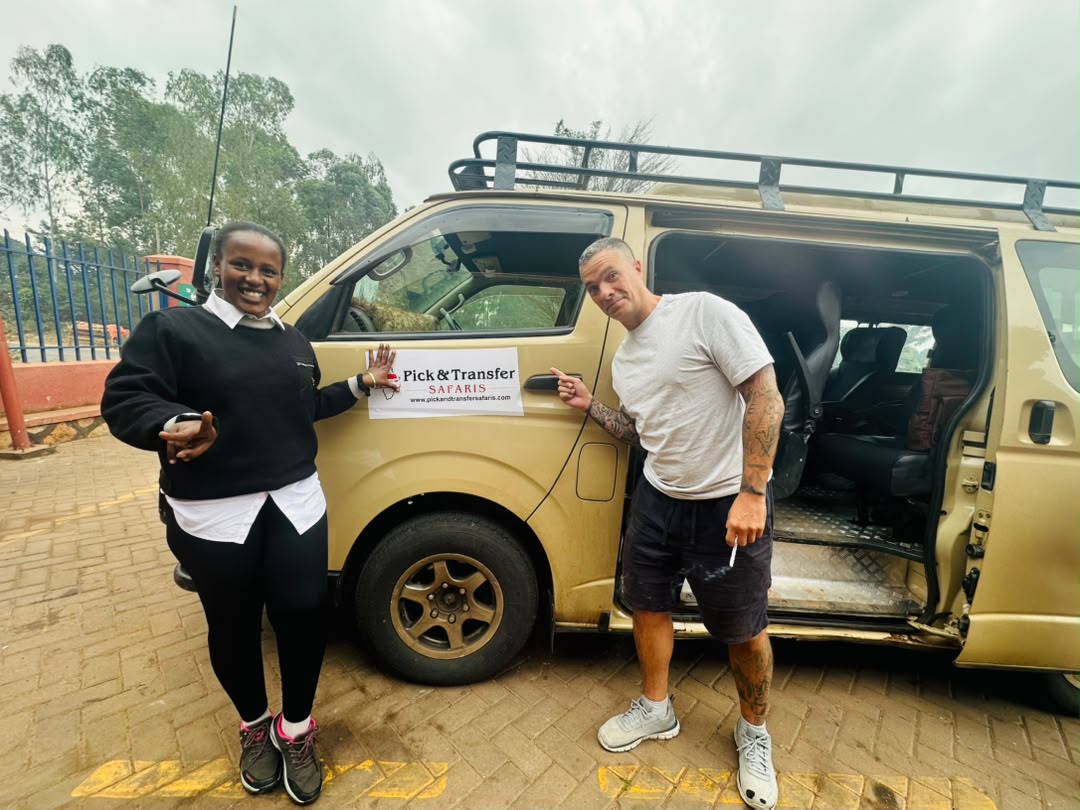
The Tour Guiding and Driving course is the closest match to what most people picture when they think of field guide training — a four-month program combining vehicle handling, route knowledge, client communication, and the practical skills needed to safely and confidently lead tourists through Uganda’s parks and cultural sites. Graduates typically move directly into driver-guide roles with tour operators, an entry point that puts them on the road almost immediately rather than behind a desk. Compared to the similarly structured Driving and Tour Guiding program listed by the Uganda Tourism Institute, the core skill set covered is broadly the same, which reflects how standardized this particular training path has become across Uganda’s tourism training providers.
Tourism Operations: The Skills Behind the Scenes
Not every tourism career happens in a vehicle or on a trail. The Tourism Operations course, also run as a four-month program, focuses on the logistics and administrative side of the industry — itinerary planning, reservations, supplier coordination, and the day-to-day running of a tour company’s booking desk. It’s a strong fit for students who want to work in tourism without necessarily leading treks themselves, and it feeds directly into the kind of office and operations roles that every tour operator, ourselves included, depends on to keep client trips running smoothly.
Tours and Travel Management: The Diploma Track
For students who want a more comprehensive, longer-format qualification, Tours and Travel Management is offered as an extended diploma-level program rather than a short course. It builds on the fundamentals covered in the shorter Tourism Operations course but goes deeper into business management, marketing for tourism, and the broader commercial side of running or managing a travel business. This track suits students aiming for supervisory or management roles rather than entry-level guiding or operations positions, and it’s a natural next step for graduates of the institute’s shorter tourism programs who want to keep building their qualifications.
Tourism and Hospitality: A Broader Industry Foundation
The Tourism and Hospitality course rounds out the institute’s tourism-focused offerings with a broader four-month foundation spanning both sides of the industry — the guiding and operations side, and the hospitality side that covers guest service, accommodation standards, and food and beverage basics. It’s a good starting point for students who aren’t yet certain which specific tourism career path they want and would rather get a wider introduction before specializing further with a follow-on course.
Hotel Management and Hospitality: Where Tourism Meets Guest Service
Because so much of Uganda’s tourism experience happens inside lodges and hotels rather than out on the trail, the institute also runs a five-month Hotel Management and Hospitality program covering front-of-house operations, housekeeping standards, food and beverage service, and basic hospitality management. Graduates of this track are a natural fit for the lodge and hotel roles that sit alongside every guiding and tour operations job in the wider tourism ecosystem, and the course is frequently taken alongside or after one of the institute’s shorter tourism programs by students building a broader tourism resume.
Why Field Guiding Skills Matter for Uganda’s Tourism Economy
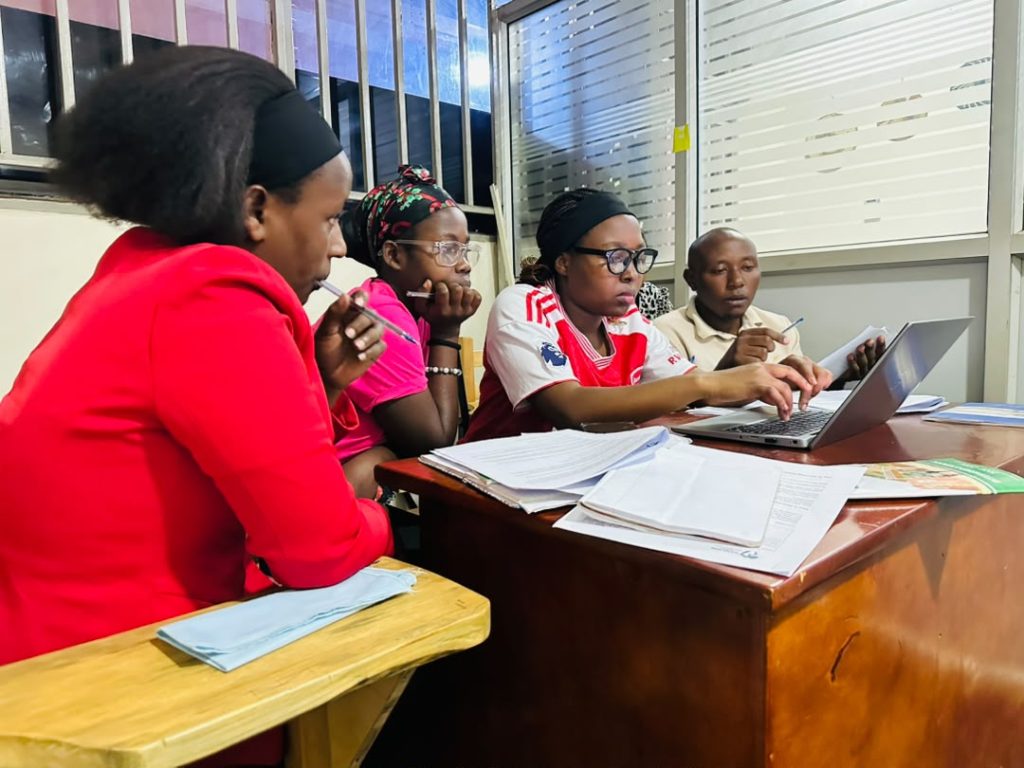
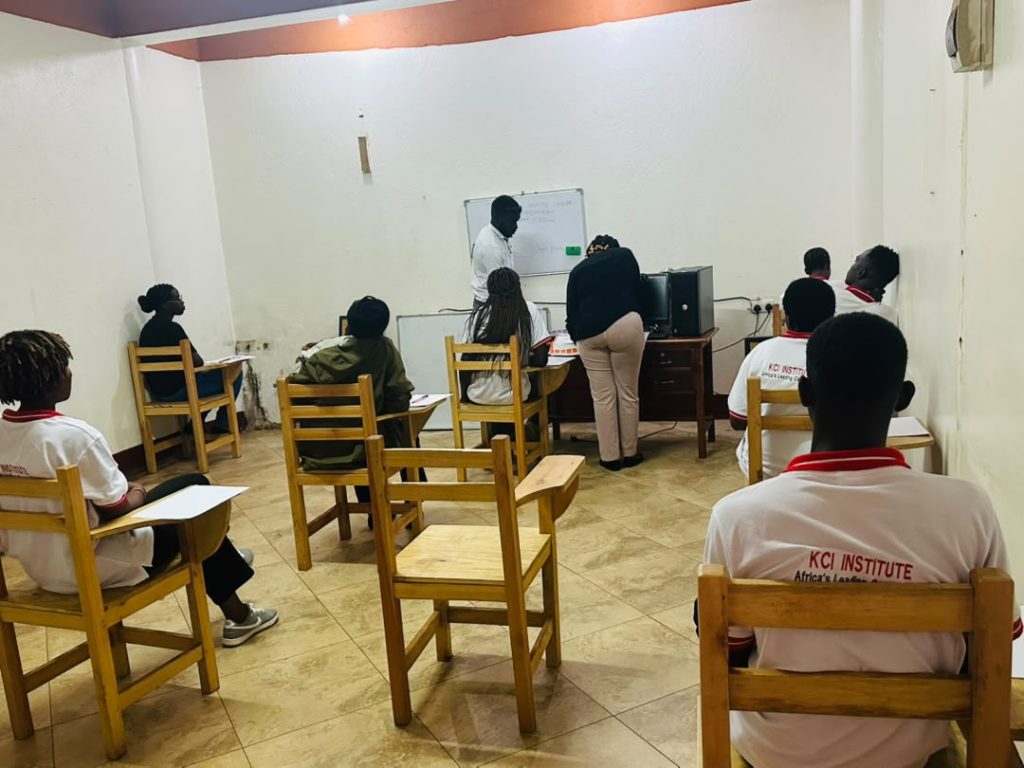
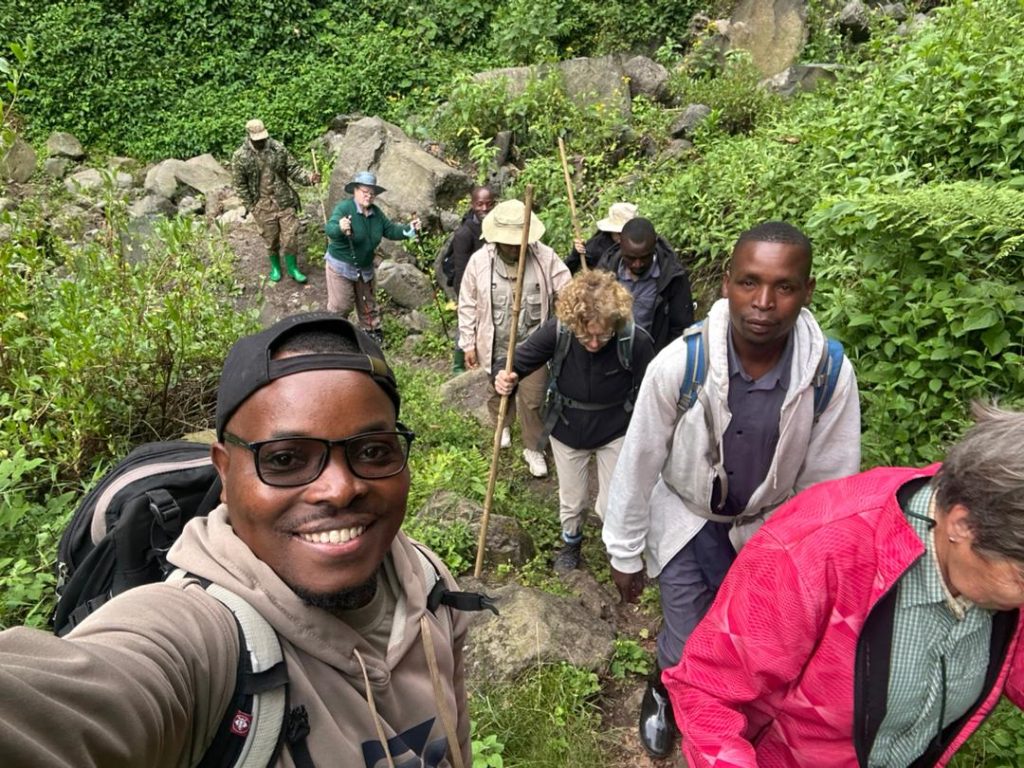
Tourism is one of Uganda’s largest foreign exchange earners, and gorilla trekking, wildlife safaris, and cultural tourism all depend on a steady pipeline of trained guides and tourism professionals to function at the standard international travelers expect. A poorly trained guide doesn’t just create a weaker experience for one client — it affects a tour operator’s reputation, repeat business, and ultimately Uganda’s standing as a serious safari destination compared to neighboring countries. Institutions like the African Institute of Tourism and Field Guiding play a direct role in that pipeline, training the guides, drivers, and operations staff that keep the wider industry running at a professional standard.
What a Typical Day of Field Training Looks Like
Days on the practical side of the Tour Guiding and Driving course look noticeably different from a standard classroom timetable. Mornings often start with route briefings and vehicle checks, the same routine a working driver-guide runs through before picking up clients, followed by supervised driving practice on real roads rather than a closed training yard alone. Afternoons rotate between guiding simulations, where students take turns leading mock client groups through a site visit, and debrief sessions where instructors walk through what worked and what needs sharpening. That rhythm — practice, feedback, repeat — is deliberate, since the skills that matter most in guiding are built through repetition rather than memorized once and never revisited.
Building Soft Skills Alongside Technical Training
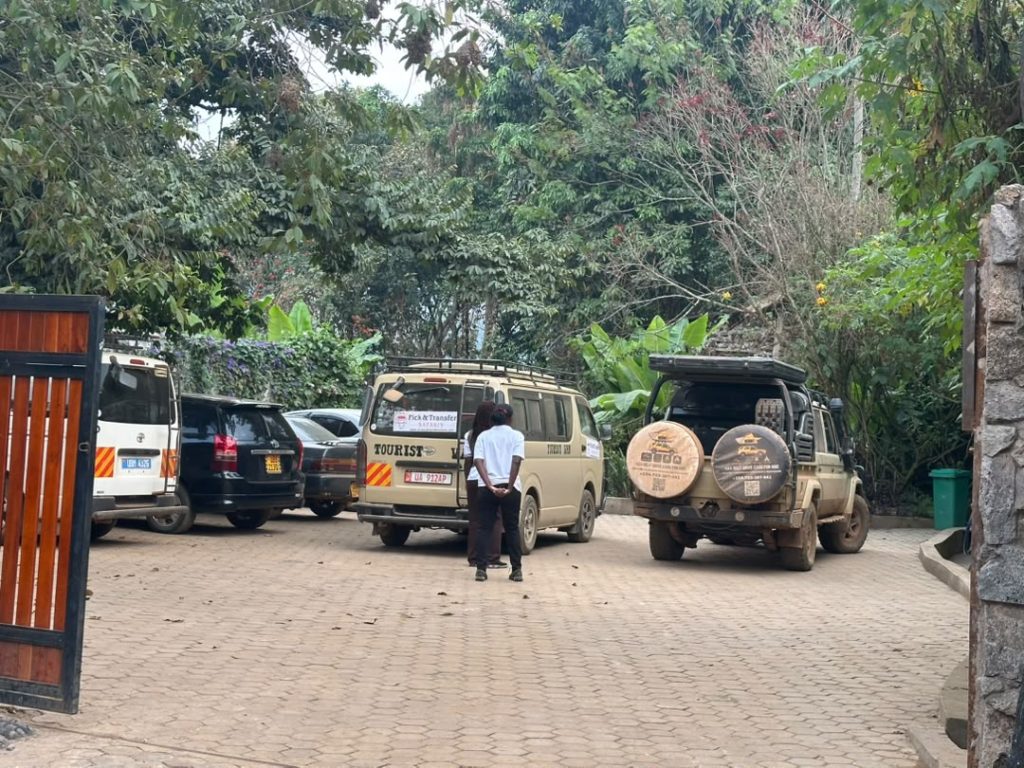
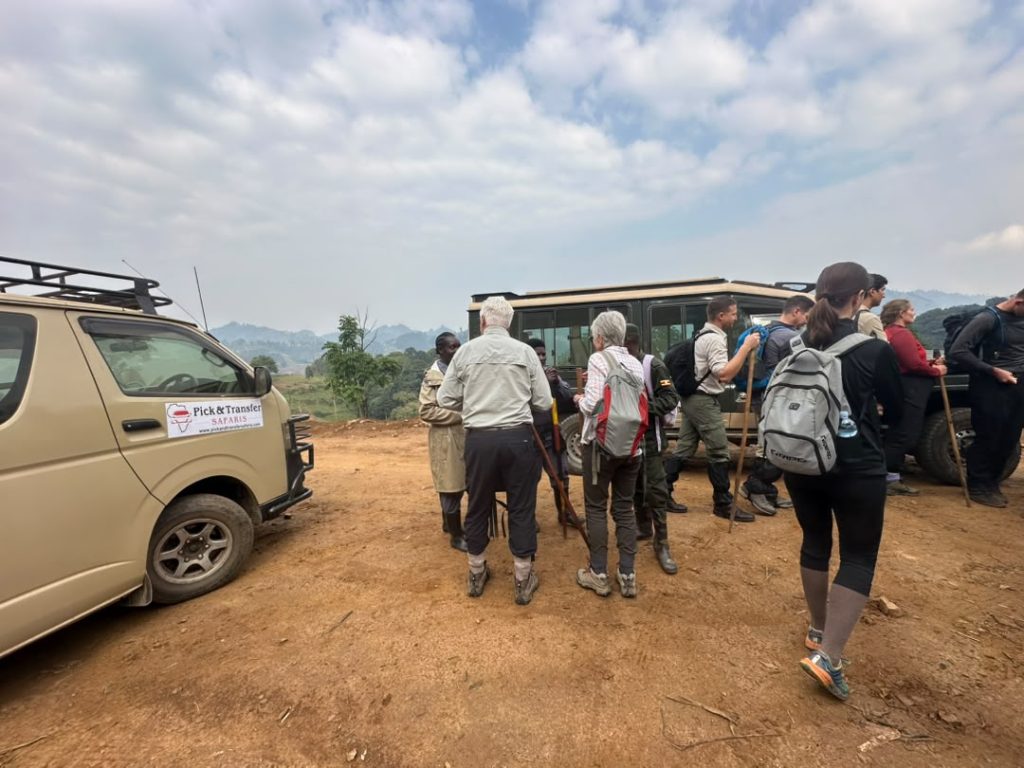
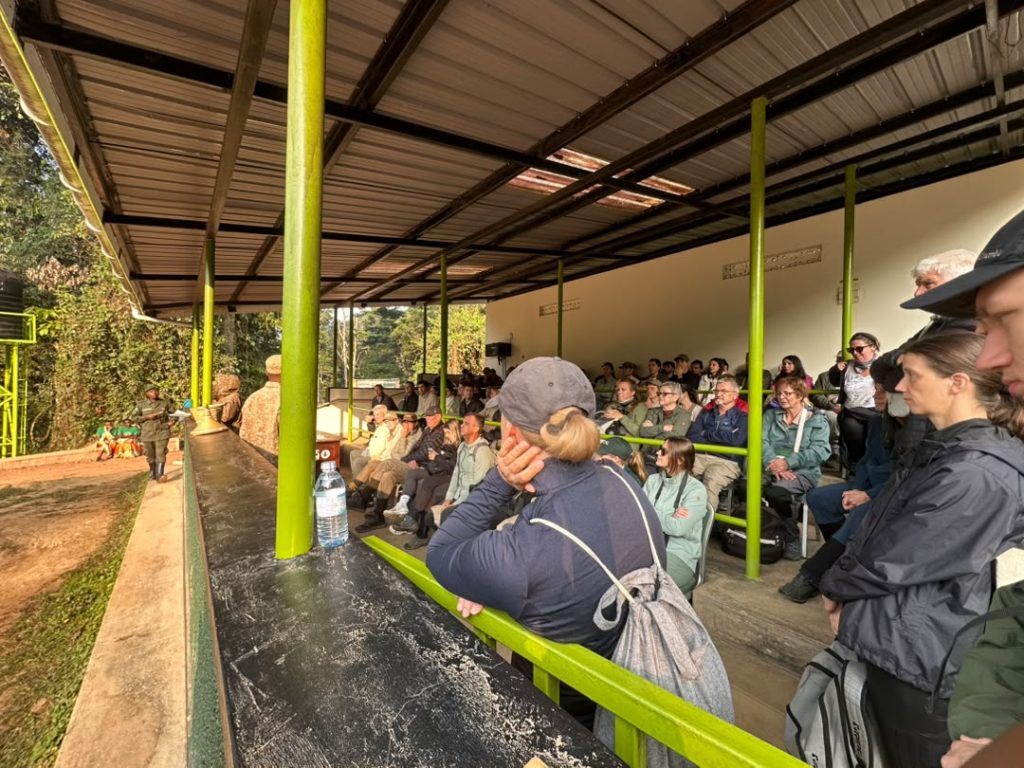
Vehicle handling and route knowledge get most of the attention when people picture guide training, but client-facing soft skills are just as central to the coursework. Students practice clear communication across language barriers, patient explanation of wildlife behavior and park rules to first-time visitors, and calm decision-making when an itinerary doesn’t go exactly to plan. These are the skills that separate a technically competent guide from one clients specifically ask for by name on a return trip, and they’re woven into the practical modules of both the Tour Guiding and Driving course and the broader Tourism and Hospitality program rather than taught as a separate add-on.
Practical, Hands-On Training vs Classroom-Only Learning
One of the clearest differentiators in tourism training is how much genuine field time a program includes. Classroom instruction alone can teach the theory of client communication or route planning, but it can’t replicate the pressure of managing a real group on a real trail or handling an unexpected delay mid-itinerary. The institute’s approach leans heavily on this kind of practical exposure, and its business consultation services extend the same hands-on philosophy beyond the classroom, connecting current students and graduates with real operational challenges tourism businesses are actually facing.
Short Courses vs Diploma Programs: Which Path Fits You
Prospective students weighing a short course against a longer diploma should start with their timeline and career goal rather than the length of the program alone. A four or five-month short course like Tour Guiding and Driving or Tourism Operations gets graduates into entry-level industry roles quickly, while a diploma-level program like Tours and Travel Management takes longer but positions graduates for supervisory tracks sooner in their career. Many students start with a short course to enter the workforce quickly, then return for a diploma once they have a clearer sense of which part of the industry they want to specialize in.
Admissions: How to Apply
Applications run through the institute’s own admission page, where prospective students can review intake requirements before submitting an application through the apply now portal. The process is broadly comparable to what other tourism training providers in the region require — the Uganda Tourism Institute runs its own similarly structured apply now process and publishes its intakes schedule separately, which is a useful comparison point for students weighing timing across institutions.
Understanding the Fee Structure
Course costs vary by program length and level, with short certificate courses priced lower than full diploma programs. Full details are published on the institute’s fee structure page, and prospective students are encouraged to review this alongside the specific course outline before applying, since payment schedules and any available installment options are laid out there directly rather than requiring a separate inquiry. Comparing that fee structure against a similar program elsewhere, such as the courses listed on the Uganda Tourism Institute’s site, is a reasonable way to sanity-check value before committing, particularly for students weighing a shorter certificate against a longer diploma track on a fixed budget.
Career Outcomes and Job Placement Support
Training is only half the value of a tourism qualification — the other half is what happens after graduation. The institute highlights job placement assistance and mentorship from industry professionals as part of its program structure, aiming to connect graduates directly with tour operators, lodges, and hospitality businesses actively hiring rather than leaving job searching entirely up to students. Given how relationship-driven Uganda’s tourism sector tends to be, this kind of structured placement support can meaningfully shorten the gap between graduation and a first industry role.
Industry Partnerships and Recognition
The institute maintains visible ties to organizations central to Uganda’s tourism sector, including the Uganda Tourism Board and the Uganda Wildlife Authority, alongside academic partnerships such as Metropolitan International University for students pursuing further study. These relationships matter practically as well as reputationally, since they help keep course content aligned with what tourism employers and regulatory bodies actually expect from new guides and tourism staff entering the workforce.
Beyond Tourism: A Wider Vocational Training Base
While tourism and field guiding sit at the center of the institute’s identity, its course catalog extends into other vocational areas as well, including heavy machinery training, driving, ICT, business administration, and cosmetology. This broader base matters for tourism students too, since it reflects an institution built around practical, employable skills across multiple industries rather than a single narrow specialty, and it gives graduates room to add a second qualification later without changing institutions.
How KCI Institute Compares to Other Tourism Training Providers in Uganda
Uganda has several training providers competing for tourism students, and course structures across them tend to look broadly similar — short certificate courses in the four-to-five-month range, alongside longer diploma programs for students wanting a deeper qualification. The Uganda Tourism Institute’s course offerings mirror this pattern closely, which makes program length, practical field time, and job placement support the more meaningful points of comparison between institutions rather than course titles alone, since most providers in this space offer some version of the same core tourism courses.
Location and Facilities
The institute is based at Dolphin Plaza on Gayaza Road in Mulago Kubiri, within reach of central Kampala, which makes it accessible for students commuting from across the city as well as those relocating for their studies. Its location also puts students within practical reach of Uganda’s tourism industry hub in Kampala, where many tour operators, airlines, and hospitality businesses are headquartered, making internships and industry visits a more straightforward part of the practical training experience.
Being based in Kampala rather than in a more remote setting also means students can more easily attend industry events, meet visiting tour operators, and pursue part-time or weekend work in tourism-adjacent roles while still studying — a practical advantage that’s easy to overlook when comparing institutions on course content alone, but one that meaningfully shapes how much real industry exposure a student accumulates before graduating.
Frequently Asked Questions About Studying Tourism and Field Guiding Here
How long does the Tour Guiding and Driving course take?
The standard short course runs four months, covering vehicle handling, route knowledge, and client-facing guiding skills.
Do I need previous tourism experience to enroll?
No. Most students enter tourism training as their first step into the industry, and courses are structured to build skills from the ground up.
What’s the difference between a short course and a diploma program?
Short courses run roughly four to five months and target entry-level industry roles quickly, while diploma programs like Tours and Travel Management take longer and prepare graduates for supervisory or management-track positions.
Does the institute help graduates find jobs?
Yes, job placement assistance and mentorship from industry professionals are built into the program structure, connecting graduates with tour operators and hospitality businesses actively hiring.
Can I study tourism operations without becoming a field guide?
Yes. The Tourism Operations course focuses specifically on the logistics and administrative side of the industry rather than on-the-ground guiding.
Where is the institute located?
At Dolphin Plaza on Gayaza Road, Mulago Kubiri, within reach of central Kampala and its tourism industry hub.
How do I check the cost of a specific course?
The full fee structure is published directly on the institute’s fee structure page and should be reviewed alongside the specific course outline before applying.
How to Apply to the BEST EAST African Institute of Tourism and Field Guiding
Choosing between tourism training providers ultimately comes down to program fit, field time, and post-graduation support rather than course titles alone, and the African Institute of Tourism and Field Guiding has built its offering specifically around practical, employable skills for Uganda’s tourism sector.
Review the full our courses listing, check the fee structure for your program of interest, or head straight to the apply now portal to start your application for the next intake today.

