
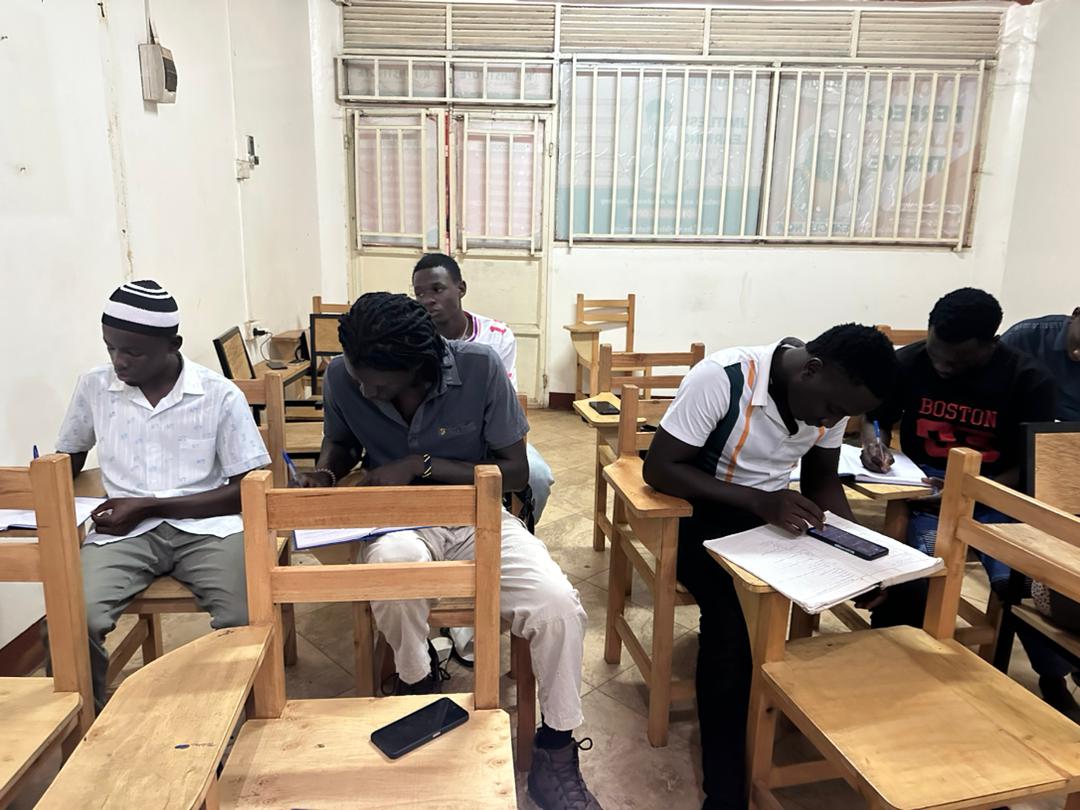
How long does it take to study English in Uganda
How long does it take to study English in Uganda. It is the first question almost every learner asks, and the most honest answer is the one nobody loves: it depends. It depends on where you start, how often you study, how much you practice outside class and what you want to be able to do in English. The good news is that the question has a much clearer answer than most people think, and that studying in Uganda, where English is the official language and part of daily life, can shorten the journey.
This guide gives you realistic timelines. You will see how many hours each level takes, how to turn those hours into weeks and months, what to expect in your first months in Kampala and how to speed up your progress. If you would like to discuss your own timeline with a school, Kenlink Institute offers English language courses in Kampala, and its admissions team can advise you after a short placement.
The Quick Answer: How Long Does It Take to Study English in Uganda?
For most adult learners studying regularly, you can expect to notice real, useful improvement within three months, to reach a comfortable everyday level in about six to twelve months and to reach a strong working level in one to two years. Those numbers move up or down with your starting point and your weekly study time. A complete beginner who studies part-time may need longer, while a learner who already has intermediate English and studies intensively may see big jumps in a matter of weeks.
Another way to think about it is in hours. International guidance from Cambridge English suggests that a learner needs roughly two hundred guided learning hours to move from one level of the Common European Framework of Reference (CEFR) to the next. Divide that by the hours you study each week, and you have a realistic estimate. The tables below show how it works in practice.
Understanding Language Levels: A Simple Guide to the CEFR
Most schools describe English ability using six levels, from A1 to C2. A1 and A2 are the beginner levels: you can introduce yourself, ask simple questions and handle everyday situations. B1 and B2 are the intermediate levels: you can talk about familiar topics, express opinions, follow the main points of conversations and write clear texts. C1 and C2 are the advanced levels: you can use English fluently and flexibly for work, study and social life.
Knowing your target level is the key to knowing your timeline. Most people who want to chat comfortably with colleagues and friends aim for B1. People who need English for university or professional work usually aim for B2 or above. Ask your school how it defines its levels and how it tests progress. Kenlink Institute organises its language programmes by level, and its placement process can tell you which one matches your current English.
How Many Hours Does Each English Level Take?
Cambridge English publishes estimates of the total guided learning hours needed to reach each level from a complete beginner. These are guidelines, not promises, but they give a useful map.
| CEFR level | What it means | Approximate total guided hours |
|---|---|---|
| A1 | Basic phrases and simple questions | 90 to 100 |
| A2 | Everyday situations and short exchanges | 180 to 200 |
| B1 | Comfortable conversation on familiar topics | 350 to 400 |
| B2 | Confident, fairly fluent communication | 500 to 600 |
| C1 | Fluent, flexible use for work and study | 700 to 800 |
| C2 | Near-native mastery | 1,000 to 1,200 |
Guided learning hours include lessons and structured study such as homework and guided practice, not just time in the classroom. Individual results vary with prior knowledge, age, motivation and your first language, so treat every number as a starting point. Later levels take longer per step because progress becomes finer and harder to see.
From Hours to Months: How Your Weekly Study Time Changes the Timeline
Once you know the hours, the calculation is easy. Divide the total hours for your target level by the number of hours you study each week. The table shows approximate times from a complete beginner, using the hour ranges above.
| Weekly guided study | To reach A2 | To reach B1 | To reach B2 |
|---|---|---|---|
| 5 hours a week | 36 to 40 weeks | 70 to 80 weeks | 100 to 120 weeks |
| 10 hours a week | 18 to 20 weeks | 35 to 40 weeks | 50 to 60 weeks |
| 15 hours a week | 12 to 13 weeks | 23 to 27 weeks | 33 to 40 weeks |
| 20 hours a week | 9 to 10 weeks | 18 to 20 weeks | 25 to 30 weeks |
These figures show why intensity matters. A learner who studies twenty hours a week may reach B2 in around six to seven months, while someone who studies five hours a week may need two years or more. If you already have some English, subtract the hours for your starting level. For example, an A2 learner aiming for B2 needs roughly three hundred to four hundred more hours, which is about thirty to forty weeks at ten hours a week.
Why Studying English in Uganda Can Speed Things Up
Classroom hours are only part of the picture. When you live in a place where English is used daily, you gain extra hours of practice without even trying. English is Uganda’s official language and the language of instruction in schools and universities, so you hear and read it in shops, offices, banks, hospitals and newspapers. Every conversation you have with a neighbour or a taxi driver is a chance to practise.
Immersion also builds confidence. In your home country you may only speak English in class, but in Kampala you must use it to order lunch, buy a phone card or ask for directions. That constant, low-pressure practice turns knowledge into habit. Ugandan English is close to both British and American English and generally clear and polite, which makes it a good model for learners.
Immersion works best when you plan for it. Say yes to invitations, join a club or volunteer group, and speak English even when a friend offers to switch to another language. If you want to compare how schools structure their courses, this overview of language training in Uganda is a useful companion, and the Kenlink Institute guide to language schools in Kampala describes what to expect at its campus.
Five Factors That Decide How Long Your English Course Will Take
Your starting level. The higher you begin, the fewer hours you need to reach your target. A short placement test at the start helps you avoid repeating material you already know.
Your first language. Speakers of languages with vocabulary, grammar or sounds similar to English often progress faster than speakers of languages that are very different. Do not worry about this too much, because motivation and practice usually matter more.
Your age and learning habits. Adults learn well when they have clear goals and a routine. Teenagers often pick up pronunciation quickly, and children benefit from play and repetition.
Your motivation and clarity of purpose. Learners who can say exactly what they want to do in English, whether that is give a presentation, pass an interview or chat with neighbours, tend to stay focused and progress faster.
Your consistency. Regular study beats occasional bursts. Thirty minutes each day builds a stronger habit than one long session on Sunday, and it makes your classroom hours count for more.
Realistic Timelines by Goal: What Do You Want to Do With English?
To handle daily life and simple conversation. Reaching a basic everyday level, roughly A2 to low B1, usually takes a few months of regular study. With a fairly intensive schedule in Kampala, many learners feel comfortable in shops, on transport and in social situations within three to four months.
To work in English. Most workplace roles ask for solid B1 to B2 English, especially for meetings, emails and customer contact. Plan on six to twelve months of regular study if you are starting from a low level, and less if you already have some English.
To study at university. Universities and colleges often ask for B2 or higher, sometimes proven by an external exam score. Allow a year or more from a beginner level, and check the exact requirement of your institution early.
To reach advanced fluency. Moving into C1 takes long-term commitment, often two years or more, with reading, writing, listening and speaking in demanding contexts. Immersion in Uganda helps, but advanced learners also need feedback on writing and vocabulary.
If you also plan to learn another language later, remember that timelines vary between languages. For example, this article on how long it takes to study German in Uganda shows how another language is described, and it can help you plan a multilingual path.
What to Expect Month by Month
Month one: settling in. You learn the classroom routine, meet your teacher and classmates and start using simple phrases outside class. Progress feels quick because everything is new, and even small wins, such as ordering food in English, boost your confidence.
Months two and three: building a base. Grammar starts to fall into place, your vocabulary grows and you begin to understand more of what people say around you. Many learners notice that conversations flow more smoothly and that they need to translate less in their heads.
Months four to six: gaining independence. You can talk about familiar topics, write short messages and follow the main ideas of news and everyday conversations. This is often the point where learners feel that English has become a tool and not just a subject.
Months seven to twelve: refining. You express opinions, handle more complex situations and correct many of your own mistakes. Progress may feel slower because you are working on finer points, but it is real. Keep a record of what you can now do, since it is easy to forget how far you have come.
How Long Are English Courses at Kenlink Institute?
Kenlink Institute teaches English through spoken and written practice, with programmes organised by level and offered in morning, afternoon, full-day, weekend and online sessions. Course lengths and prices are published on the institute’s language courses page and fee structure page, and because schedules can change from one intake to the next, ask the admissions team to confirm the current length and hours per week before you enrol.
The admissions process is designed to help you choose the right starting point. You submit an online application, the team reviews it within about two working days, and you may take a placement test and meet the team so that they can match you with the right level. Begin on the application page and read the admission guide for each step. You can also learn more about the school on its About Us page.
Short Intensive Course or Long Programme?
A short intensive course suits learners with a clear deadline, such as a job interview, a university entry date or a move abroad. It packs many hours into a few weeks, and it works best when you already have some English and want to polish it. A longer programme suits learners who are starting from a low level or who need to balance study with work, because it spreads the learning out and leaves time for practice between lessons.
Whichever you choose, be realistic. Ask how many guided hours the course includes, and compare that number with the hours needed for your target level. If you also plan to study another language afterwards, a quick look at how long it takes to study German in Uganda, as described in this guide to German study time, will help you plan the whole journey.
Full-Time, Part-Time or Online: Which Schedule Gets You There Faster?
The more hours you study each week, the faster you progress. Full-day and intensive schedules cover the most ground and are ideal if you are travelling to Uganda mainly to study, or if you have a deadline such as a university start date. Part-time schedules, such as mornings, afternoons or weekends, suit students who work or study elsewhere, and they take longer to reach the same level but fit more easily into busy lives.
Online study adds another option. Kenlink Institute lists online learning among its offerings, with video tutorials, live classes, assignments and feedback, as described on its page about the best online courses in Uganda. Many learners combine online preparation with in-person lessons, and starting online before you travel can shorten the time you need once you arrive. Whichever you choose, aim for regular live speaking practice.
Study Length, Visas and Student Passes
The length of your course also affects your immigration paperwork. Foreign nationals enrolled in a learning institution in Uganda are generally expected to hold a student pass, which is issued for three, six or twelve months. Matching your course length to the pass duration helps you plan, and if you decide to continue, you can ask your school and the immigration authority about extending. Uganda’s immigration authority publishes the current fee, and East African nationals are exempt.
You will normally need a passport valid for at least six months, a photograph, an admission letter, a school support letter and proof of fee payment. Ask your school which documents it can supply, and apply as soon as you are admitted. Uganda also asks arriving travellers for a yellow fever vaccination certificate. Rules change, so confirm everything on the official immigration website before you book flights.
Time and Cost: Planning Your Budget
Time and money go together. A longer course costs more in tuition and living expenses, while an intensive course costs more per week but may save money overall by getting you to your goal sooner. Ask the school for a written fee breakdown, including registration and assessment items, and check the fee structure page for current figures.
To compare what other schools say about English course costs, you can read this guide on how much studying English in Uganda costs, and to see how schools compare more broadly, look at the best language schools in Uganda. Budget for accommodation, food, transport, internet and health insurance as well, and leave a small reserve for unexpected costs.
Ten Ways to Learn English Faster in Uganda
First, speak English every day, even when it feels awkward. Second, keep a vocabulary notebook and review it each evening. Third, listen to Ugandan radio and watch English-language news, then summarise what you heard. Fourth, read short articles and notices around the city. Fifth, ask teachers and friends to correct you, and treat mistakes as information.
Sixth, set weekly goals such as having three new conversations or writing a paragraph about your day. Seventh, join a club, volunteer group or community event. Eighth, use short bursts of study on your phone during commutes. Ninth, record yourself speaking and listen for patterns. Tenth, be patient and consistent. If you are looking for more skills to pair with your English, you can browse the best short courses in Uganda, tourism short courses in Uganda and tourism courses in Uganda.
Students planning a longer path can also explore the Kenlink Institute courses page, the top technical and vocational courses in Uganda, the best degree courses in Uganda, and guides for school leavers such as the top eight courses a Senior 4 leaver can do and courses for S.4 or S.6 vacists.
Common Mistakes That Slow Your Progress
The most common mistake is studying only in class and using your first language for the rest of the day. The second is choosing the wrong level, which can leave you bored or lost. The third is switching schools and methods too often, so that you never build momentum. Others include avoiding speaking because of fear of mistakes, skipping homework and setting unrealistic goals such as fluency in a few weeks. Avoid them by taking a placement test, choosing a consistent programme and asking your teacher for a realistic plan. For comparison of schools and services, see this overview of language training in Uganda and the Uganda Language School website.
Frequently Asked Questions About Studying English in Uganda
Can I learn English in three months?
You can make noticeable progress in three months, especially with an intensive schedule and daily practice, but reaching a high level usually takes longer. Three months is a good time to move from beginner to a comfortable everyday level.
How many hours a day should I study?
Two to four hours of combined class time and self-study each day is a strong routine for most learners. Consistency matters more than length, so choose a schedule you can keep.
Do I need to know English before I come?
No. Schools accept beginners and place students at the right level after a short assessment, though a little preparation online can help you settle in faster.
Will I speak English fluently after one course?
One course can lift you by a level or more, but fluency builds over time. Keep practising after your course ends, and consider a follow-up level or a related language such as French or German if you want to go further.
Start Your English Journey in Uganda Today
There is no single number that answers how long it takes to study English in Uganda, but you now have a clear method: choose your target level, count the hours, match them to your weekly schedule and add the extra practice that immersion gives you. For many learners, that means real, visible progress within three months and strong working English within a year.
When you are ready, explore Kenlink Institute, contact the team for advice on your level and schedule and take the first step. If you like to see how other providers present their courses, take a look at the Uganda Language School website and compare, then choose the plan that fits your goals. Your first lesson is the shortest step of all.
For questions, contact Kenlink Institute at +256 200 955 001 or +256 789 210 067, or write to info@kenlinkinstitute.ac.ug.

