
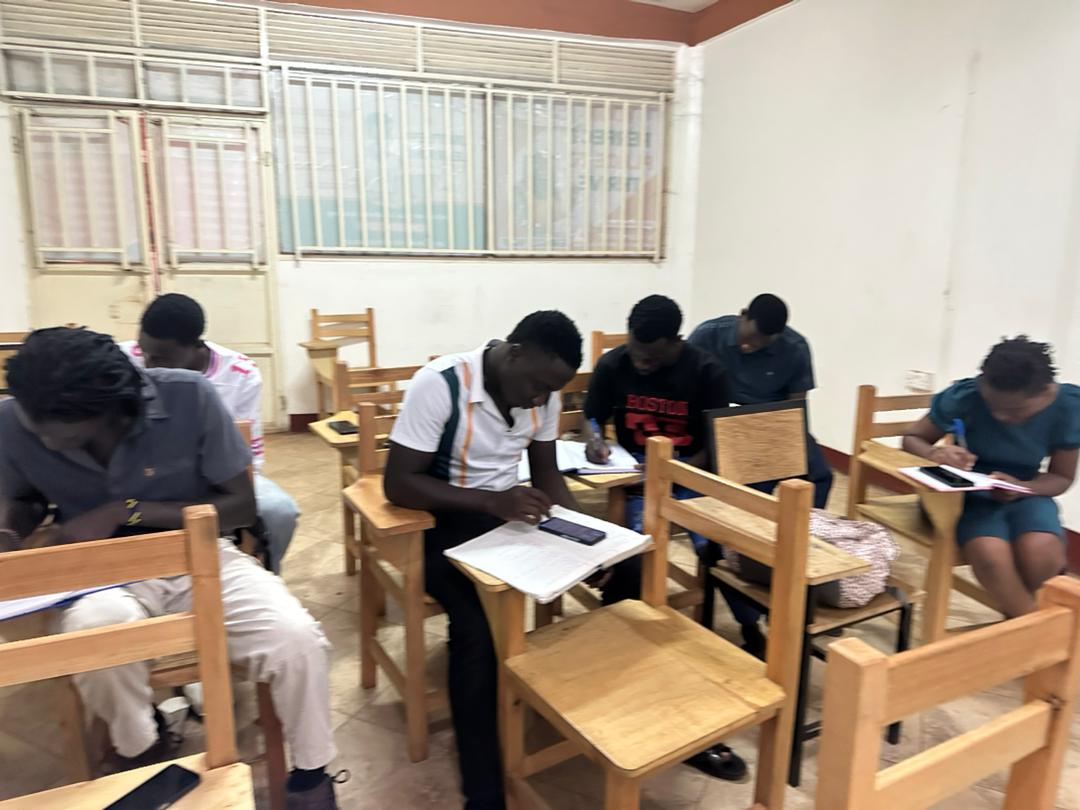
Language Schools in Uganda
Language Schools in Uganda. English is the official language of Uganda, the language of its classrooms, courts, newspapers and boardrooms, and that makes the country one of the most practical and affordable places in Africa to improve your English. Every day you step out of class, you meet people who will happily chat, correct your grammar with a smile and help you practice what you have learned. Add warm hospitality, a mild climate and a lively capital city, and it is easy to see why more students are choosing to study English in Uganda.
This guide explains what to expect: how English is used in daily life, where to study, what courses and fees look like, how to apply, what visa or student pass you may need and how to make faster progress. If you are ready to begin, Kenlink Institute offers English language courses at its campus in Kampala, and this article will help you decide whether they suit your goals.
Why Study English in Uganda?
Immersion is the fastest way to learn any language, and Uganda gives you immersion at a fair price. English has been the official language since independence in 1962, and it is the medium of instruction in schools and universities and the main language of business and law. That means the people you meet in shops, offices, taxis and cafes use English every day, so you practise long after the lesson ends.
Cost is a strong advantage. Living expenses and tuition in Kampala are much lower than in the United Kingdom, the United States, Canada or Australia, so you can study for several months without the crushing bills of a Western language school. Classes are usually small, teachers know their students by name, and you can adjust your schedule to suit work or travel.
Uganda is also an exceptionally welcoming place. Ugandans are known for their friendliness, and visitors often say they feel at home within days. Weekends can be spent on Lake Victoria, in national parks or at cultural events, which turns your study trip into a genuine adventure. For students who want more than a classroom, that combination of learning and living is hard to beat.
English in Uganda: Official Language, Ugandan Accent and Everyday Use
Uganda has more than forty local languages, and Luganda is especially common in Kampala and the central region. Kiswahili is also an official language and is growing in use. Even so, English remains the language that connects people across ethnic groups, and it is the one you will hear in government offices, banks, hospitals and universities.
Ugandan English is a local variety influenced by native languages, and it is broadly close to both British and American English. Students find it clear, polite and easy to follow, and many teachers use standard grammar and vocabulary in class. You will pick up a few local expressions, and you will meet speakers who blend English with Luganda, but the foundation is standard English that will serve you anywhere in the world.
Practise in real settings. Order lunch, ask for directions, join a community group or volunteer at a local project, and let people help you with new words. Confidence grows quickly when practice is part of daily life, and that is where a Ugandan classroom outperforms many online-only courses.
Where to Study English in Uganda: Kampala and Beyond
Most English schools and language institutes are based in Kampala, the capital, where transport, housing, restaurants and healthcare are easiest to find. Kampala is a busy, energetic city with a mild climate, and its neighborhoods offer everything from quiet residential streets to lively markets. You can compare local options in this overview of language schools in Kampala, and for another perspective, this guide to the best language schools in Uganda covers the wider picture, while the Uganda Language School website lists its own programmes.
Kenlink Institute is located at Plot 149, Dolphin Plaza, Gayaza Road, Mulago Kubiri, Kampala, a busy part of the city with shops, transport and everyday services close by. Students can choose morning, afternoon, full-day, weekend or online sessions, which helps those who work or travel. To learn more about the school’s background and approach, visit the Kenlink Institute About Us page.
English Courses at Kenlink Institute: What You Will Learn
Kenlink Institute teaches English through both spoken and written practice, so you build confidence in conversation and accuracy in writing. Courses cover communication, grammar, writing and spoken English, and they are designed for learners at different levels, from beginners who need everyday phrases to advanced students who want polish for work or study.
Programmes are organised by level, so you can start at the point that matches your current English and move up as you improve. Course lengths and prices are published on the institute’s language courses page and fee structure page, and the admissions team can confirm which schedule suits you. Ask whether you can pay level by level or in advance, since that lets you match your studies to your budget. A placement test may be part of admission, which helps the team match you with the right level so that you neither struggle nor coast.
Typical learners include students preparing for university, professionals who need clearer communication at work, expatriates and volunteers who want to settle in Uganda, and travellers who want to add real skills to a stay. If you are unsure which level you need, the admissions team can guide you. You can see the full range of programmes on the Kenlink Institute courses page.
English Course Fees: What Does It Cost to Study in Uganda?
Kenlink Institute publishes its language fees on its website. Prices depend on the language and the length of the course, and registration items such as admission, ID and assessment fees may apply on top of tuition, so always check the current figures on the fee structure page and the language courses page, and ask the admissions team to confirm the total in writing before you pay. Fees can change, and a written quote avoids surprises.
To put the school’s prices in context, it helps to compare programmes. Another Ugandan language school shares an overview of how much it costs to study English in Uganda, which is useful when you are building a budget. Remember to compare like with like: check the length of each level, the number of lessons per week, class size and whether materials and assessments are included.
Beyond tuition, plan for accommodation, food, local transport, internet and any immigration fees. Student budgets vary widely, but Kampala remains far more affordable than most English-speaking countries, and many students stretch their money further by sharing a house or choosing a residential area with good transport.
Beyond English: French, German and Kiswahili
Many learners add a second language while they are here. Kenlink Institute also teaches French and German, and its language schools overview mentions Kiswahili, which is useful in East Africa. Multilingual skills open doors in tourism, diplomacy, trade and study abroad, and learning them in Uganda costs far less than in Europe.
If you want to explore options, read this guide to French schools in Uganda and this page on the German language in Uganda. For a sense of how long it takes to reach a working level, see how long it takes to study German in Uganda. Learning English first and a second language afterwards is a common and effective path, and the general page on language training in Uganda is a helpful place to see what else is available.
Who Should Study English in Uganda? Four Student Profiles
The university-bound student. If you plan to enrol at a university where lectures are in English, a few months of focused practice in reading, writing and note-taking can make the first semester far easier. Uganda’s English-medium classrooms let you rehearse exactly the kind of speaking and listening you will need.
The working professional. If your job requires emails, meetings or presentations in English, structured lessons with regular speaking practice raise your confidence quickly. Evening, weekend and online sessions make it possible to study without leaving your job.
The volunteer or expatriate. If you are moving to Uganda for work, research or volunteering, learning how English is used locally helps you settle in, understand colleagues and enjoy daily life. It also gives you a good base for learning Kiswahili or Luganda.
The curious traveller. If you want your trip to mean more than sightseeing, a course gives your days a rhythm, connects you with classmates and lets you meet Ugandans as neighbours, not just as hosts.
A Sample Week of English Study in Kampala
A typical week might include morning classes on grammar and conversation, followed by an afternoon of self-study, a visit to a market or cafe to practise new vocabulary and an evening call or messaging session with classmates. Mid-week, you might write a short piece about your day and ask your teacher for feedback. On weekends, you could join a city tour, a cultural event or a trip out of town, taking notes on new words as you go.
Consistency matters more than intensity. Students who attend regularly, review their notes and speak English outside class tend to progress faster than those who cram. If you choose a weekend or online session, you can still follow the same rhythm by setting fixed times for practice each day. A good school will help you build a routine that fits your life.
How to Apply: A Five-Step Admission Process
Applying to Kenlink Institute is designed to be quick. First, you submit the online form, giving your personal details, your chosen course, your preferred study session and your intake period. Your application is received instantly, and the admissions team reviews it within about two working days. You may then take a short placement test and meet the team for an interview so that they can match you with the right programme. Once your application is approved, you confirm your course and pay.
Start on the Kenlink Institute application page, and read the full admission guide if you want to see each step in detail. If you have questions about documents, dates or payment, contact the office on +256 200 955 001 or +256 789 210 067, or write to info@kenlinkinstitute.ac.ug. Apply early if you plan to travel from abroad, because visa and travel arrangements take time.
Visas and Student Passes for Studying English in Uganda
Rules depend on your nationality and how long you plan to stay, so always check the official immigration website before you travel. As a general guide, short visits can often be covered by a tourist or e-visa, but foreign nationals enrolled in a learning institution in Uganda are expected to hold a student pass, which is issued for three, six or twelve months. Uganda’s immigration authority publishes a fee of USD 100 for the pass, and East African nationals are exempt. Applications are made through the official online immigration portal.
Documents usually include a passport valid for at least six months, a recent photograph, an admission letter from the school, a school support letter and proof of fee payment. Ask Kenlink Institute which letters and receipts it can provide, and begin the process as soon as you are admitted. Keep digital copies of every document, and bring printed copies when you arrive, because officials may ask to see them when you complete biometrics.
Uganda also asks arriving travellers for a yellow fever vaccination certificate, so speak to your doctor about health requirements and malaria prevention well before you fly. Rules change, so treat this section as a starting point and confirm everything with the immigration authority and your school.
Living in Kampala: Accommodation, Food and Getting Around
Kampala offers accommodation for every budget, from shared student houses and guesthouses to serviced apartments. Many students choose a room in a residential area close to their school or on a transport route, and staying with a host family or in a shared house gives extra English practice. Ask your school for advice on safe, convenient neighbourhoods, and visit a place before you commit to a long stay.
Food is varied and inexpensive. Local staples include matoke, posho, beans, rice, chapati and fresh fruit, and the city has restaurants serving Indian, Chinese, Ethiopian and international dishes. Getting around is easy with boda-boda motorcycle taxis, minibus taxis and ride-hailing apps, although traffic can be heavy at peak times, so plan extra time for class.
Like any big city, Kampala calls for common-sense precautions. Keep your phone and valuables out of sight, use trusted transport at night and follow your school’s advice. Most students feel comfortable and quickly build a routine, and the friendly atmosphere at a small school helps you settle in fast.
How to Choose the Right English Programme: A Quick Checklist
Before you commit, compare schools on a few key points. Check the length of each level and the number of lessons per week. Ask about class size, teacher experience and whether spoken practice is part of every lesson. Find out whether a placement test is included, how progress is assessed and whether you receive a certificate on completion. Confirm the price, what it includes and what the refund policy says.
Also consider flexibility. Can you study mornings, afternoons or weekends, or move between online and in-person learning? Does the school help with immigration letters and accommodation advice? To see how different providers describe their offerings, browse this overview of language training in Uganda, and compare it with the details published on the Kenlink Institute site. A school that answers your questions clearly and promptly is usually a good sign.
Study English Online or on Campus in Uganda?
Both options have strengths. On campus, you get face-to-face conversation, immediate correction and the chance to make friends, and you can practise in the city each day. Online study suits working professionals and learners who cannot travel yet, offering flexibility and lower costs. Many students combine the two, starting online to build a base and then joining classes in Kampala when they arrive.
Kenlink Institute lists online learning among its study options, with video tutorials, live classes, assignments and feedback, and students can move between online and in-person study depending on their schedule. Learn more on the best online courses in Uganda page. If your goal is speaking confidently, aim for at least some live, in-person practice, because nothing replaces real conversation.
Combine English With Practical Skills and Short Courses
English opens doors, and the right skills walk you through them. Kenlink Institute offers a wide range of programmes, so many students add a course in tourism, business or technical training to their language study. Browse the best short courses in Uganda, explore tourism short courses in Uganda and the tourism courses in Uganda, or see the top technical and vocational courses in Uganda if you want hands-on training.
Students who have completed secondary school may also like the guides on the top eight courses a Senior 4 leaver can do in Uganda, courses for S.4 or S.6 vacists in Uganda and the best degree courses in Uganda. If you run or plan a business, the institute also offers business consultation, and practical trades such as heavy machinery training are available for learners who want a technical career.
Tips to Learn English Faster in Uganda
Make English your default. Speak it at breakfast, with taxi drivers, in shops and with classmates, even when a local language would be easier. Keep a notebook, write down new words and review them every evening. Read Ugandan newspapers, listen to radio programmes and watch English-language news, and try to summarise what you hear in your own words.
Ask for correction and do not fear mistakes. Teachers and friends are usually glad to help, and errors are simply signs that you are trying. Set weekly goals, such as introducing yourself to three new people or writing a short paragraph about your day. Join a club, volunteer group or church or mosque community, since regular social contact accelerates progress more than any textbook can. Above all, be consistent, because thirty minutes of daily practice beats one long weekend session.
Frequently Asked Questions About Studying English in Uganda
Is Uganda a good country to learn English?
Yes. English is the official language, it is used in schools, business and government, and Ugandans are friendly and patient with learners. Living costs are also lower than in many English-speaking countries.
How long does it take to learn English?
It depends on your starting level, study time and practice. Kenlink Institute publishes course lengths on its language courses and fee pages, and the admissions team can advise you on the right schedule after your placement. Many students see clear progress in the first few months when they practise daily.
How much does an English course cost?
Prices depend on the language and course length, and registration items may be added. Check the fee structure for the latest figures, ask admissions to confirm the total in writing, and compare with this guide to studying English in Uganda and its cost from another provider.
Can beginners join?
Yes. Courses are designed for all proficiency levels, and a placement process helps put you in the right class.
Do international students need a student pass?
Foreign nationals enrolled at a learning institution are generally expected to hold a student pass. Confirm the current requirements with the immigration authority and ask your school for the letters you need.
Ready to Study English in Uganda?
Learning English in Uganda combines affordability, immersion and genuine welcome. Whether you want to prepare for university, improve your career prospects or simply speak with more confidence, a few months in Kampala can change what you can do with the language. Start by choosing a level, checking your visa requirements and planning your budget.
When you are ready, apply to Kenlink Institute, or visit the Kenlink Institute homepage to explore every programme. If you would like to compare options, take a look at Uganda Language School and its language training pages, then choose the programme that best fits your goals. Your English journey starts with a single lesson, and Uganda is a wonderful place to take it.

