
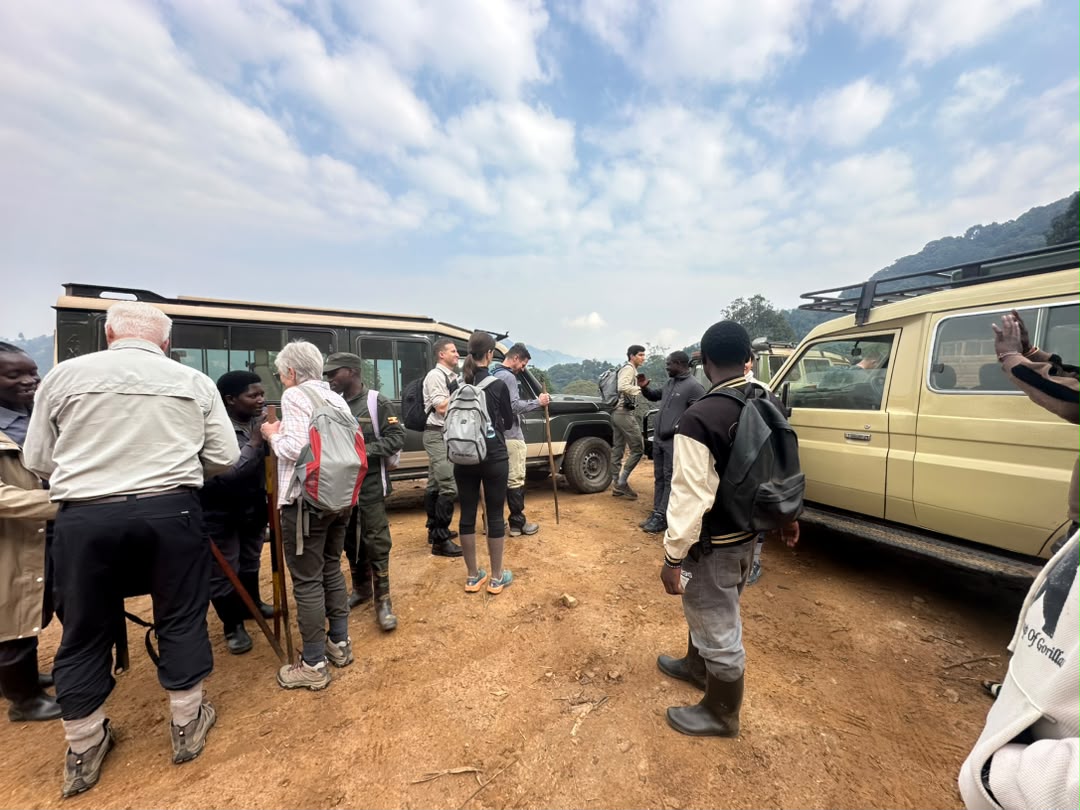
Tourism Guiding and Driving Courses in Uganda
Tourism Guiding and Driving Courses in Uganda. In Uganda, the tour guide and the driver are frequently the same person, which is exactly why the country’s leading tourism training programs teach guiding and driving as one combined skill set rather than two separate careers. A driver-guide needs to safely handle a vehicle across long, sometimes rough routes, and simultaneously deliver the kind of knowledgeable, engaging commentary that makes a trip memorable. Our Tour Guiding and Driving course is built around that dual demand, and this guide covers what a combined guiding and driving course actually teaches, how licensing works for professional guides in Uganda, and what to expect from enrollment through certification.
For a second perspective on how this training path is structured elsewhere, the Uganda Tourism Institute runs a comparably structured guiding and driving program, and their course listings are worth reviewing if you’re weighing where to train.
Why Guiding and Driving Are Taught as One Combined Skill Set
Most tour itineraries in Uganda run through remote parks and rural routes where a separate driver and guide simply isn’t practical or cost-effective for smaller group sizes, particularly on shorter trips. A single trained driver-guide handles both roles at once, which is why training providers structure their flagship courses around this combined competency rather than offering guiding and driving as entirely separate tracks. Students graduate able to safely operate a 4×4 safari vehicle over unpaved terrain while also delivering accurate, engaging information about the parks, wildlife, and cultural sites along the route.
What a Tourism Guiding and Driving Course Actually Covers
A well-structured guiding and driving course spans several core areas: defensive driving and vehicle handling on Uganda’s varied road conditions, destination and park knowledge across the country’s major tourism circuits, client communication and group management, and the practical logistics of running a multi-day itinerary from pickup to drop-off. Courses also typically cover basic first aid, since guides are often the only trained responder available on a remote trekking route, and an introduction to the regulatory and licensing landscape guides need to navigate once they start working professionally.
The Uganda Tourism Board’s Role in Licensing Guides
Professional tour guiding in Uganda is regulated by the Uganda Tourism Board (UTB), which issues the tourist guide licenses that formalize a guide’s standing in the industry. A training certificate from a recognized institution is one part of qualifying for this license, but it sits alongside other requirements the Board checks before issuing it, which is why understanding the licensing process matters just as much as completing a course.
Requirements for a Tourist Guide License in Uganda
Based on current UTB requirements, applicants generally need a minimum of an O-Level certificate or equivalent, a professional training certification from a certified institution, and a valid first aid certificate. Fluency in English is essential, with additional languages such as French, German, or Spanish considered an advantage given the international client base most guides work with. Applicants also submit a completed application form, academic and professional certificates, valid identification, passport-sized photographs, a medical fitness certificate, and a certificate of good conduct from Uganda Police, and are typically assessed through an interview or practical evaluation of their knowledge of Uganda’s attractions and cultural sites before licensing is finalized.
Driving Requirements: PSV Licensing for Tour Vehicles
Alongside the tourist guide license, driver-guides operating vehicles carrying paying passengers commercially need the appropriate driving qualifications for public service vehicle (PSV) use, a distinct licensing category from an ordinary private driving permit in Uganda. This typically requires holding a valid driving permit of the correct class for the vehicle being operated, along with meeting the specific requirements set for public service and passenger-carrying vehicles. Because this licensing sits outside what a tourism training course alone can grant, students who don’t already hold the appropriate driving qualifications should factor that process into their overall timeline toward working as a licensed driver-guide.
Vehicle Types and Terrain Guides Need to Master
Uganda’s tourism routes cover a wide range of driving conditions, from smooth tarmac roads connecting Entebbe and Kampala to the rough, sometimes waterlogged murram tracks leading into Bwindi, Queen Elizabeth, and Murchison Falls. A driver-guide needs to be comfortable operating a 4×4 safari vehicle across all of these conditions, adjusting driving technique for mud, steep inclines, and river crossings during the wetter months. Training covers vehicle-specific handling for the types of vehicles most commonly used in Uganda’s tourism fleet, along with basic troubleshooting for the kind of mechanical issues that come up on remote routes far from a service station.
Language Skills and Working with International Clients
Because most clients booking Uganda safaris and gorilla treks are international travelers, strong English communication is non-negotiable for a working guide, and it’s weighted heavily in both training and UTB’s own licensing assessment. Guides who also speak French, German, Spanish, or another major source-market language have a real edge, since some tour operators specifically seek out multilingual guides for clients from non-English-speaking countries. Courses build communication skills specifically for a tourism context — clear explanations of wildlife behavior and park rules, patient handling of repeated questions, and the kind of hospitality-minded tone that shapes how a trip is remembered.
Safety, First Aid and Emergency Response Training
Guides are frequently the only trained responder present when something goes wrong on a remote trekking route or long drive, which is why first aid training is treated as a core, assessed component of the course rather than a formality. Students cover basic emergency response, how to manage a medical situation until further help can be reached, and the specific safety protocols relevant to gorilla trekking, savannah game drives, and long-distance driving. This training feeds directly into the valid first aid certificate required as part of the UTB tourist guide licensing process, so it serves double duty as both a practical skill and a licensing requirement.
Cultural and Park Etiquette Guides Must Know
Beyond driving and first aid, guides are expected to model correct behavior around wildlife and within local communities, and training covers park-specific etiquette in detail — appropriate distance from wildlife, noise discipline during a gorilla trek, and respectful conduct during community and cultural visits near Bwindi or other park-adjacent areas. Guides who model this behavior well tend to build stronger reputations with both clients and park authorities, and it’s an area UTB’s own practical assessment pays close attention to when evaluating a license applicant’s readiness to represent the industry professionally.
A Week-by-Week Look at the Course Timeline
| Course Phase | Approximate Timing | Focus |
|---|---|---|
| Foundations | Weeks 1-4 | Destination knowledge, vehicle handling basics, guiding theory |
| Skills Building | Weeks 5-9 | Defensive driving practice, first aid certification, client communication |
| Guided Simulations | Weeks 10-13 | Mock client groups, group management, cultural and park etiquette |
| Field Assessment | Weeks 14-16 | Supervised real or simulated itineraries, final practical evaluation |
Building a Portfolio and Reputation as a New Guide
Certification and licensing open the door to a first guiding job, but reputation is what sustains a long-term guiding career in Uganda’s tourism industry. New guides typically build a track record through their first employer, gathering references, repeat client requests, and word-of-mouth recommendations that carry real weight in an industry where operators frequently hire based on personal referral rather than open advertising. Keeping a simple record of tours led, client feedback, and any specialized skills developed — bird guiding, cultural walks, or a particular park specialty — pays off when applying for better positions or transitioning toward self-employment later in a career.
Renewing and Maintaining Your UTB License
A UTB tourist guide license isn’t necessarily a one-time credential; like most professional licenses, it typically requires periodic renewal and evidence of continued good standing, which can include updated medical fitness documentation and a clean conduct record. Guides who let their license lapse can find themselves unable to work legally with tour operators who check licensing status before hiring, so building renewal timelines into a broader career plan is worth doing from the outset rather than treating certification as a single fixed event early in a guiding career.
Common Mistakes New Driver-Guides Make
A few patterns show up repeatedly among newly certified guides still finding their footing: underestimating drive times between parks and running itineraries behind schedule, over-promising wildlife sightings that can never be guaranteed, and neglecting the paperwork side of licensing until it becomes urgent. Training addresses each of these directly, since a technically skilled driver-guide who mismanages client expectations or lets licensing lapse can lose repeat business just as easily as one who lacks the underlying driving or guiding skill in the first place.
How Our Course Prepares You for Both Sides of Licensing
The Tour Guiding and Driving course is structured specifically to build toward the qualifications UTB and other regulators look for, rather than teaching guiding and driving skills in the abstract. Coursework includes the first aid certification component required for the tourist guide license, destination knowledge assessed in a format similar to UTB’s own evaluation, and defensive driving practice relevant to the practical driving standards expected of a professional driver-guide. Graduates leave with both the practical competency and much of the documentation groundwork needed to pursue formal licensing.
Classroom Instruction vs Practical Field Training
The course balances structured classroom learning — covering park regulations, wildlife behavior, cultural site background, and customer service standards — with genuine field practice, including supervised driving sessions and guiding simulations where students take turns leading mock client groups. This mix matters because licensing bodies and employers alike expect guides who can demonstrate practical competency, not just theoretical knowledge, which is why field time makes up a substantial share of the course rather than being treated as a brief add-on at the end.
Course Duration and Structure
The Tour Guiding and Driving course runs four months, structured to move progressively from foundational classroom instruction toward increasingly independent practical work as the course goes on. Early weeks focus on destination knowledge, vehicle handling fundamentals, and guiding technique, while later weeks shift toward supervised, near-independent guiding and driving practice that mirrors what graduates will encounter working with real clients.
How Long the Whole Process Takes, Start to Working
Putting the full timeline together, a student starting from scratch should expect roughly four months of coursework, followed by however long the UTB licensing application takes to process once the required documentation is submitted, plus any separate time needed to obtain a PSV-class driving qualification if not already held. For students who already hold a valid driving permit and simply need the guiding and first aid components, the path to a first paid guiding assignment can move considerably faster than for someone starting without any prior driving credentials, which is worth factoring in honestly when planning a realistic timeline toward working in the field.
Who Should Take a Combined Guiding and Driving Course
A combined course suits candidates who want to work directly with clients in the field rather than in an office-based tourism role, and who are comfortable with both the physical demands of driving Uganda’s road network and the interpersonal demands of guiding groups of strangers through multi-day trips. It’s a strong fit for candidates entering tourism as a first career, as well as those already holding a driving qualification who want to add guiding skills and formal licensing on top of existing driving experience.
Guiding-Only vs Driving-Only Training: Is Combining Them Worth It?
Some training providers separate guiding and driving into distinct tracks, but the combined approach reflects how the job is actually structured across most of Uganda’s tour operators, ourselves included. A guide who can’t drive, or a driver without guiding skills, is a narrower hire for most tour companies than a combined driver-guide, since operators running smaller group sizes specifically need one trained person able to handle both roles rather than paying for two separate staff members on every trip.
Equipment and Gear a Working Guide Should Own
Beyond certification, working driver-guides typically build up a small kit of personal equipment over their first months on the job: a reliable pair of hiking boots for accompanying clients on treks, weather-appropriate clothing for both dry and wet season conditions, a basic first aid kit to supplement the vehicle’s own supplies, and a smartphone or GPS device loaded with offline maps for Uganda’s more remote routes. None of this is required to complete training or gain licensing, but new guides who invest in this kit early tend to present more professionally to clients and operators from their very first assignment.
Freelance vs Employed Driver-Guide Work
Newly certified guides generally choose between two working arrangements: salaried employment with an established tour operator, or freelance work picking up assignments from multiple companies as availability allows. Employment offers more predictable income and typically comes with a company vehicle, while freelancing offers more schedule flexibility but requires guides to either own or have reliable access to a suitable vehicle, along with building direct relationships with several operators rather than one employer. Most new graduates start with an employed role to build experience and references before considering the freelance route, since operators are generally more willing to take a chance on an unproven guide when the working relationship is structured as employment rather than a one-off freelance booking.
Admissions and How to Apply
Applications go through the institute’s admission page, where intake dates and entry requirements are published ahead of each new cohort, followed by submission through the apply now portal. Other providers in the region run comparable processes — the Uganda Tourism Institute’s own apply now page and published intakes are worth checking if you’re comparing start dates across institutions.
Understanding Course Fees
Current pricing for the Tour Guiding and Driving course, along with any available payment schedule options, is published on our fee structure page. Reviewing this alongside the course outline before applying is worth doing, since it’s also a useful point to factor in the separate cost of any driving or first aid certification not already held before enrollment.
Career Outcomes After Certification
Graduates typically move into driver-guide roles with tour operators shortly after completing the course and pursuing formal UTB licensing, putting them directly on the road with clients rather than in extended shadowing positions. Job placement assistance and mentorship from industry professionals are built into the program, aiming to connect graduates with tour operators actively hiring, which meaningfully shortens the path between certification and a first paid guiding role. Over time, experienced driver-guides often move into related roles as well — training and mentoring newer guides, coordinating logistics for larger multi-vehicle group tours, or eventually transitioning into tourism operations or even starting their own small tour company once they’ve built enough industry relationships and savings to do so.
How This Training Compares to Other Providers in Uganda
Course structures for guiding and driving training across Uganda’s providers tend to follow a broadly similar shape, and the Uganda Tourism Institute’s course offerings reflect the same combined guiding-and-driving pattern seen here. The more meaningful points of comparison between institutions come down to how directly a course prepares students for actual UTB licensing requirements, how much genuine field driving and guiding practice is included, and how strong job placement support is once training is complete.
Frequently Asked Questions About Guiding and Driving Courses in Uganda
Does completing the course automatically give me a UTB tourist guide license?
No. The course prepares you for the training and first aid certification components of the UTB requirements, but the license itself is issued directly by the Uganda Tourism Board after you submit the full application and required documentation.
Do I need a driving license before enrolling in this course?
It’s helpful but not always required at enrollment, since the course includes practical driving instruction. Operating a vehicle commercially as a driver-guide, however, requires the appropriate PSV-class driving qualification separately from the course itself.
What’s included in the UTB tourist guide license requirements?
Generally an O-Level certificate or equivalent, a professional training certificate, a valid first aid certificate, English fluency, identification documents, a medical fitness certificate, a certificate of good conduct, and an interview or practical assessment.
How long does the combined guiding and driving course take?
Four months, covering classroom instruction on destinations and guiding technique alongside practical driving and field guiding sessions.
Can I take a guiding-only course without the driving component?
Combined training is our standard approach since most driver-guide roles in Uganda expect both skill sets together, though candidates who already hold driving qualifications can focus more of their practical time on guiding technique specifically.
Does the institute help with job placement after certification?
Yes, job placement assistance and mentorship from industry professionals are part of the program, helping connect graduates with tour operators actively hiring driver-guides.
How often does a UTB tourist guide license need to be renewed?
Licensing typically requires periodic renewal along with evidence of continued good standing, such as updated medical fitness documentation. Guides should confirm current renewal timelines directly with UTB as part of maintaining active status.
Should I work as an employed guide or go freelance after certification?
Most new graduates start with an employed role at an established tour operator to build experience, references, and vehicle access before considering freelance work, which generally suits guides with an established reputation and their own reliable vehicle.
Start Your Tourism Guiding and Driving Training
Combined guiding and driving training remains the most direct path into Uganda’s most in-demand tourism role, and understanding both the coursework and the licensing process behind it puts you ahead before you even apply.
Review the full our courses listing, check the fee structure page, or head straight to the apply now portal to start your training for the next intake.

