
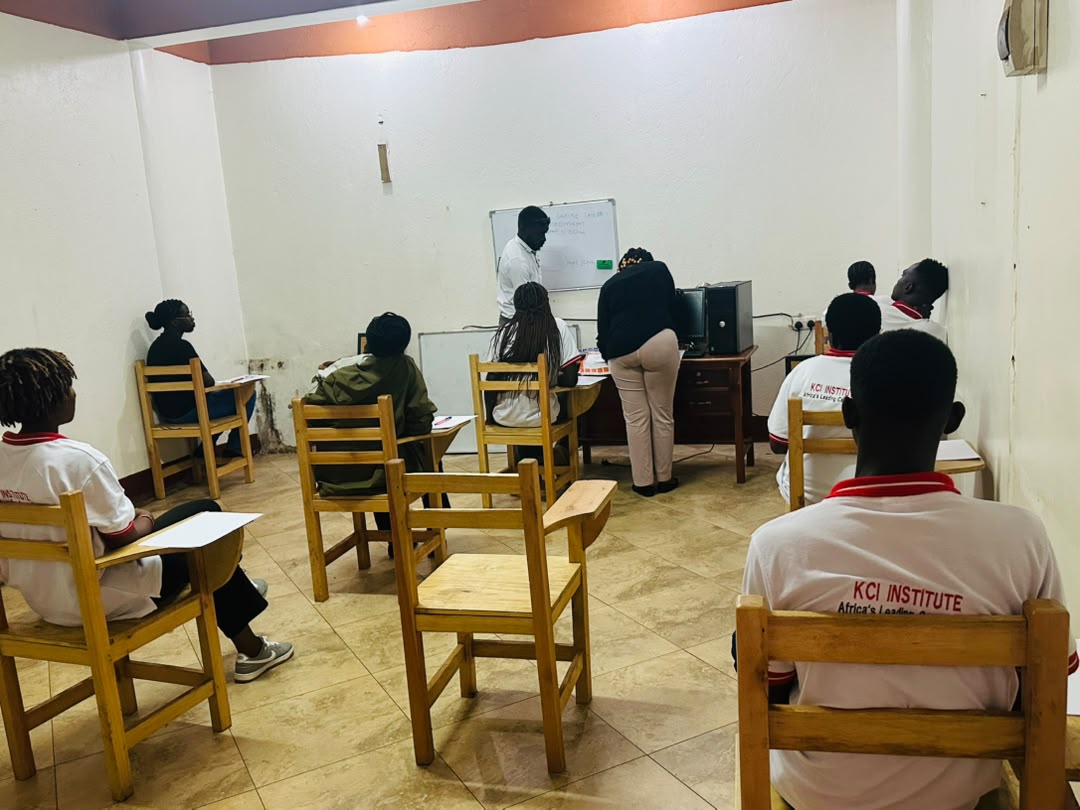
Where to study English in Uganda
Where to study English in Uganda. English is the official language of government, business, higher education and international trade in Uganda, which is exactly why demand for structured English language training has never been higher. Whether you are a Ugandan school leaver preparing for university, a refugee or immigrant rebuilding a career, a professional aiming for a promotion, or an international student from the Democratic Republic of Congo, Rwanda, Burundi, South Sudan or further afield preparing to study or work in an English-speaking environment, choosing the right place to study English in Uganda can shape your entire future. This guide walks through everything you need to know: what to look for in an English language school, where the training actually happens, how admission works, which exams matter, what it costs to live and study in Uganda, and how to turn English proficiency into real opportunities. Along the way, we will show why Kenlink Institute in Kampala has become one of the go-to destinations for serious English learners in the country. By the end of this guide you should be able to compare providers confidently, understand exactly what documents and exams you may need, and know the concrete next step for enrolling, whether that step is today or a few months from now.
Why English Proficiency Matters So Much in Uganda
Uganda inherited English as its official language, and it remains the language of instruction in secondary and tertiary education, the language of the courts, parliament, and nearly every formal workplace. Yet a large share of the population grows up speaking Luganda, Runyankole, Ateso, Swahili or another of Uganda’s more than 40 indigenous languages at home, so fluency in spoken and written English is often learned, not inherited. For refugees and migrants arriving from Francophone or Arabic-speaking countries, English is frequently the single biggest barrier to employment, further education, or accessing services. For Ugandans themselves, strong English communication skills are consistently cited by employers as a top hiring criterion, ahead of even technical skills in many entry-level roles. Job interviews, customer service roles, call centre work, hospitality, tourism and virtually every white-collar position in Kampala assume a baseline of confident spoken and written English, which means learners without that foundation are effectively locked out of a large share of the local job market regardless of how skilled they are in their actual trade. This is the gap that dedicated English language programs, including the language courses at Kenlink Institute, are designed to close.
Uganda’s Growing Reputation as an English-Learning Hub in East Africa
Over the past decade, Uganda has quietly become an attractive destination for English learners from across the East African Community and the wider Great Lakes region. Kampala’s relatively affordable cost of living compared to Nairobi or Kigali, its large student population, and its position as a regional hub for NGOs, refugee resettlement organisations and international businesses all create steady demand for practical, conversational English training. Institutions accredited or monitored under the framework of the National Council for Higher Education and guided by policy from the Ministry of Education and Sports operate alongside private language centres to serve this growing market. Choosing a school that understands both the academic requirements of Uganda’s education system and the practical, everyday English that learners actually need is essential, which is why many students specifically search for an English language school in Kampala rather than a generic tutor.
Who Should Consider Studying English in Uganda
Prospective English learners in Uganda generally fall into a few groups. First are Ugandan secondary school leavers and adults who need stronger spoken and written English before entering vocational training, university, or the job market. Second are refugees and asylum seekers, particularly from South Sudan, DR Congo and Burundi, who need functional English to access services, work permits and further study. Third are working professionals who need to sharpen business English, report writing, presentation skills, or customer service communication. Fourth are international visitors, missionaries, volunteers and expatriate family members who are relocating to Uganda and want to integrate more comfortably. Finally, there are students planning to sit international examinations before travelling abroad for study or work. Every one of these learner profiles is welcome on the admission pathway at Kenlink Institute, which structures its programs to accommodate complete beginners as well as intermediate speakers who simply want to polish fluency.
What to Look For in an English Language School in Uganda
Not all English classes are created equal, and choosing the wrong provider can waste both time and money. A genuinely effective English program in Uganda should offer small class sizes so that every learner gets real speaking practice, a structured curriculum that progresses logically from beginner to advanced level, qualified tutors with experience teaching English as a second language, a balance of spoken and written instruction, and flexible scheduling for working adults. It also helps enormously if the school is part of a wider, reputable training institute, because this usually signals institutional stability, proper facilities, and a support system beyond the classroom. Kenlink Institute meets each of these criteria: its Language Courses program is built around three progressive levels, with both verbal and written communication emphasised at every stage, so learners are not just memorising grammar rules but actually building the confidence to speak.
Kenlink Institute’s English Language Program: An Overview
Located on Gayaza Road in Kampala, Kenlink Institute (KCI) has built a reputation for practical, hands-on training across vocational, technical and language disciplines. Its dedicated Language Courses are structured around three progressive levels, each lasting three months, so a learner starting from the basics can complete the full sequence in roughly nine months while steadily building fluency, vocabulary, grammar accuracy and conversational confidence. Students may enrol level by level or commit to the complete course upfront, which is a common approach for learners who already know they want to reach an advanced standard of English before moving on to further study, a vocational course, or employment. Because the institute also runs technical and vocational programs, learners frequently combine English study with a practical skill, giving them both the communication ability and the qualification employers are looking for.
How the Three-Level Course Structure Works
The beginner level focuses on foundational vocabulary, everyday conversation, basic sentence construction and pronunciation, giving new learners the tools to handle simple daily interactions with confidence. The intermediate level builds on this foundation with more complex grammar, expanded vocabulary for work and social settings, and greater emphasis on listening comprehension and spoken fluency. The advanced level pushes learners toward near-native command of English, including formal writing, presentation skills, debate and discussion, and the kind of nuanced comprehension needed for further academic study or professional advancement. Because each level runs for three months, learners can track their own progress in manageable stages rather than committing to an intimidating multi-year program, and the course structure is deliberately designed so that spoken confidence, not just written accuracy, improves at every stage.
Admission Requirements and How the Application Process Works
One of the advantages of studying English at a vocational institute rather than a full university is that admission requirements are typically far less restrictive. At Kenlink Institute, the admission process is designed to be fast and accessible: applicants submit an application, which is reviewed by the admissions team within roughly two working days, followed where relevant by a short placement assessment and an interview to determine the right starting level and program combination. There are no rigid academic prerequisites for the language courses, which makes them genuinely open to complete beginners, working adults returning to education, and international applicants who may not hold Ugandan academic qualifications. Once admission is confirmed, students can proceed straight to enrolment through the institute’s online application form, making the entire process manageable from a phone or computer without needing to visit campus multiple times before classes begin.
Combining English Study With Vocational and Technical Training
A distinctive strength of studying English at Kenlink Institute rather than at a standalone language centre is the ability to pair language learning with a marketable technical skill. The institute’s UVTAB-aligned courses cover a wide range of vocational fields, while its heavy machinery training program prepares students for in-demand operator roles in construction, mining and logistics, industries where clear spoken English is now a job requirement for supervisory and client-facing positions. Learners who plan to start or grow a small business can additionally draw on the institute’s business consultation services, which is particularly useful for adult learners who want their improved English to translate directly into entrepreneurial or workplace results rather than existing as an isolated academic exercise.
Why Location Matters: Studying English in Kampala on Gayaza Road
Where you study English matters almost as much as how you study it, because immersion and everyday exposure to spoken English accelerate learning far more than classroom time alone. Kampala, as Uganda’s capital and largest city, offers constant exposure to English in shops, offices, transport, and media, giving students informal practice opportunities outside the classroom every single day. Kenlink Institute’s location at Plot 149, Dolphin Plaza, Gayaza Road in Mulago Kubiri places students within a well-connected part of greater Kampala, close to transport links and other campuses, making it practical for both live-in students and working adults attending classes around their jobs, and close enough to central Kampala that evening or weekend timetables remain a realistic option for people balancing a full-time job with their studies. You can read more about the institute’s history, mission and facilities on its About Us page, including its focus on hands-on, mentorship-driven learning since its founding.
English Proficiency Exams You May Need Along the Way
Depending on your goals, simply completing a language course may not be the final step. Ugandan secondary students are examined through the Uganda National Examinations Board (UNEB), whose English language papers form part of national certification. Learners planning to study, work or migrate abroad, particularly to the UK, Canada, Australia or the United States, will typically need an internationally recognised English certificate such as IELTS, administered locally through the British Council Uganda’s IELTS testing service, or a Cambridge English qualification issued by Cambridge Assessment English. Building strong spoken and written fluency through a structured program such as Kenlink’s English language courses before attempting these formal exams significantly improves the odds of passing on the first attempt, saving both time and exam fees.
Accreditation, Quality Assurance and Choosing a Trustworthy Institute
Uganda’s tertiary and vocational education sector is monitored by more than one regulatory body, and it is worth understanding the landscape before enrolling anywhere. Degree-granting institutions fall under the oversight of the National Council for Higher Education, while broader sector policy, curriculum standards and national examinations are coordinated through the Ministry of Education and Sports and the Uganda National Examinations Board. Vocational and technical training providers, including short courses and certificate programs, generally align with the UVTAB framework referenced across Kenlink Institute’s course listings. Before enrolling anywhere in Uganda, it is sensible practice to confirm how a prospective school positions itself relative to these bodies, ask about tutor qualifications, and request a clear breakdown of course content and duration, all of which Kenlink Institute provides upfront through its published language course details.
Visa and Immigration Requirements for International English Students
International students planning to study English in Uganda need to plan their immigration paperwork early. Most visa-required nationals must apply through Uganda’s mandatory online visa system before travel, as outlined by the Directorate of Citizenship and Immigration Control’s official guidance, and should always verify current entry requirements directly on the Directorate of Citizenship and Immigration Control’s official website rather than relying on third-party visa agents, since fraudulent e-visa portals have been reported. Students staying longer than a standard tourist entry for a multi-month English course should also confirm whether a student pass or dependent pass is required for their specific situation. Applying early, keeping admission confirmation documents from your chosen institute, and cross-checking requirements against official government sources will prevent avoidable delays before your course begins.
Cost of Studying English in Uganda and Budgeting Tips
One of Uganda’s genuine advantages as a study destination is affordability relative to many neighbouring countries. At Kenlink Institute, each three-month level of the English language program costs 500,000 Ugandan shillings, with the complete nine-month, three-level sequence available for 1,500,000 shillings when paid upfront, keeping structured, tutor-led English training accessible to students, working adults and career changers on a modest budget. International students and expatriates budgeting in foreign currency should check the Bank of Uganda’s official exchange rate page for up-to-date conversion figures rather than relying on estimates, since rates can shift. Beyond tuition, students should budget realistically for accommodation, transport, meals and study materials, all of which remain considerably lower in Kampala than in most regional capitals, making a multi-month commitment to English fluency a genuinely achievable investment. Many working adults choose to pay level by level rather than committing to the full nine-month sequence upfront, which spreads costs across the year and keeps the program financially manageable alongside a job or family responsibilities, while still following the same structured, progressive curriculum from beginner to advanced.
Life Outside the Classroom: Culture, Safety and Everyday Practice
Learning a language sticks far better when it is reinforced outside formal lessons, and Uganda offers plenty of opportunity for that kind of everyday immersion. Known as the Pearl of Africa, Uganda combines warm hospitality with a huge range of accessible attractions, from wildlife reserves to lakeside towns, all of which give English learners natural, low-pressure environments to practise conversation with locals and fellow travellers. The Uganda Tourism Board’s official website is a useful resource for students who want to explore the country during breaks between course levels, turning study time into a fuller cultural experience. Combining structured lessons at an institute such as Kenlink with genuine day-to-day exposure to spoken English around Kampala is one of the most effective ways to accelerate fluency, far more so than classroom study alone.
From English Fluency to Careers and Further Opportunities
Strong English is rarely the end goal in itself; it is the gateway to everything that follows, whether that is university admission, a better job, a professional certification, or starting a business. Graduates who complete Kenlink Institute’s language program are well positioned to progress directly into the institute’s other vocational and technical courses, pursue opportunities highlighted on the careers page, or move confidently into further academic study. Improved English communication also opens doors within Uganda’s investment and business landscape; entrepreneurs and jobseekers engaging with agencies such as the Uganda Investment Authority or exploring cross-border trade consistently report that clear spoken and written English is a decisive advantage in negotiations, documentation and client relationships, an area where Kenlink’s own business consultation support can help learners take the next step.
Step-by-Step: How to Enrol in an English Course in Uganda
Getting started is more straightforward than most prospective students expect. First, decide on your starting level; complete beginners and intermediate speakers are both welcome, since Kenlink Institute assesses each applicant individually. Second, visit the Language Courses page to review the three-level structure, duration and fees. Third, complete the online application form, which is typically reviewed within about two working days. Fourth, attend or complete any placement assessment and a short interview, which helps the admissions team place you at the right starting level. Fifth, confirm your enrolment through the admission office and arrange payment for your first level. International applicants should complete visa arrangements in parallel with this process rather than afterwards, to avoid unnecessary delays before the course start date.
Frequently Asked Questions About Studying English in Uganda
Do I need any prior English knowledge to start? No. Kenlink Institute’s beginner level is specifically designed for learners starting from little or no prior English knowledge, with placement handled during the admission process.
How long does it take to become fluent? The full three-level program runs approximately nine months, though many learners notice a significant jump in confidence after completing just the first three-month level.
Can international students enrol? Yes, though international applicants should independently confirm current visa and entry requirements through the Directorate of Citizenship and Immigration Control before travelling.
Will an English course prepare me for IELTS or Cambridge exams? A structured spoken-and-written program builds the underlying fluency those exams test, though candidates aiming for a specific IELTS or Cambridge English band score should also review official exam formats through the British Council Uganda IELTS or Cambridge Assessment English websites.
Can I combine English classes with a vocational skill? Yes. Many students pair the language courses with programs such as heavy machinery training or other options under Kenlink’s course catalogue to graduate with both fluency and a marketable qualification.
What is the difference between studying English at a university and at an institute like Kenlink? Universities regulated by the National Council for Higher Education typically require formal academic prerequisites and longer commitments, while vocational institutes offer shorter, more flexible entry points that are ideal for learners who want practical fluency quickly rather than an academic degree in linguistics or literature.
Final Thoughts: Choosing the Right Place to Study English in Uganda
Uganda offers a genuinely welcoming, affordable and increasingly well-regulated environment for English language learning, whether your goal is passing a national exam, qualifying for an international IELTS or Cambridge certificate, integrating into a new community, or simply becoming a more confident communicator at work. What matters most is choosing a provider with a clear, structured curriculum, transparent pricing, realistic admission requirements, and a track record of helping learners actually reach fluency, not just attend classes. With its three-level program, accessible admission process, central Kampala location, and the option to combine language study with practical vocational training, Kenlink Institute stands out as one of the strongest options for anyone serious about learning English in Uganda in 2026. Explore the full Language Courses program today, or head straight to the application page to begin your enrolment.

